Every year on June 18th, the United Nations observes the International Day for Countering Hate Speech.
Established in 2021, this day highlights a dangerous truth: hate speech is never harmless. It is the direct trigger for discrimination, xenophobia, and mass atrocities.
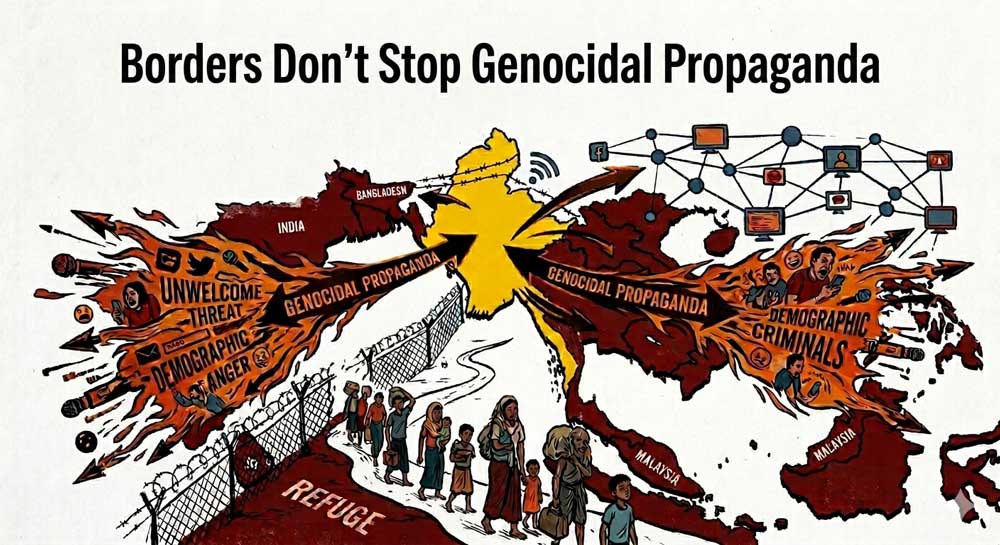
For the Rohingya people, survivors of a brutal genocide in Myanmar, the warning signs of hate speech are not theoretical they are a harsh, daily reality. Over the past decade, anti-Rohingya hate campaigns have transitioned from localized violence into a highly sophisticated, borderless digital weapon deployed across Southeast Asia.
The calculated objective of these coordinated efforts is to systematically manufacture unlivable conditions for refugees in neighboring host countries and strip them of vital public sympathy. To achieve this, nationalist networks and political actors weaponize online propaganda to spread damaging falsehoods portraying refugees as dangerous criminals and security threats, exploiting local economic anxieties by labeling them as liabilities who steal jobs and resources, and manufacturing groundless fears that they are aggressively demanding land, citizenship, or special privileges.
Modern anti-Rohingya campaigns have evolved far beyond simple text posts into an advanced digital toolkit designed to manipulate public perception and evade social media moderation. Malicious networks now deploy AI-generated deepfakes and fabricated images to manufacture visual “proof” of refugees committing crimes or inciting unrest, while weaponizing bot factories to flood comment sections with coordinated hate, creating a false illusion of overwhelming public anger. This toxic content is further supercharged by social media giants like Facebook and TikTok, whose algorithms intentionally boost outrage, fear, and hatred to maximize user engagement and advertising revenue effectively turning a blind eye to real-world harm for corporate profit.
Timeline: A Decade of Weaponized Hate
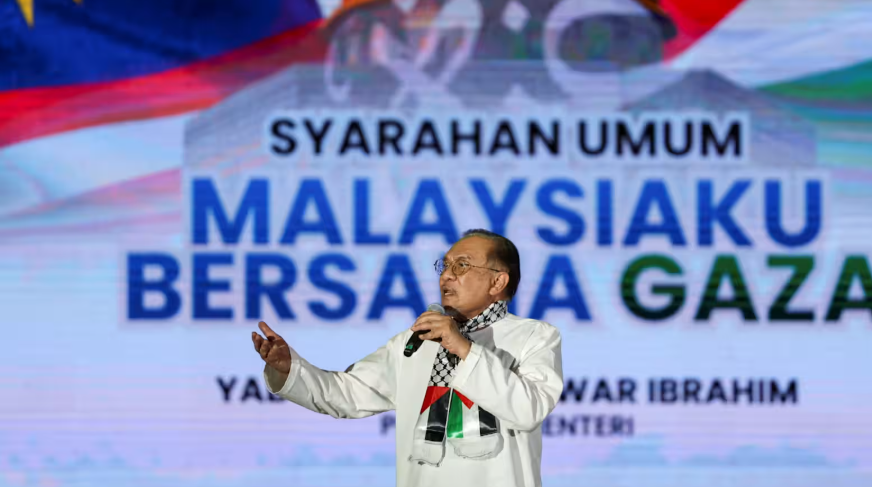
2016: A Moment of Regional Solidarity: In late 2016, there was still visible international support for the Rohingya. For instance, Malaysian Prime Minister Najib Razak publicly championed their cause, calling on the international community to step in and stop the genocide of Rohingya Muslims in Myanmar.
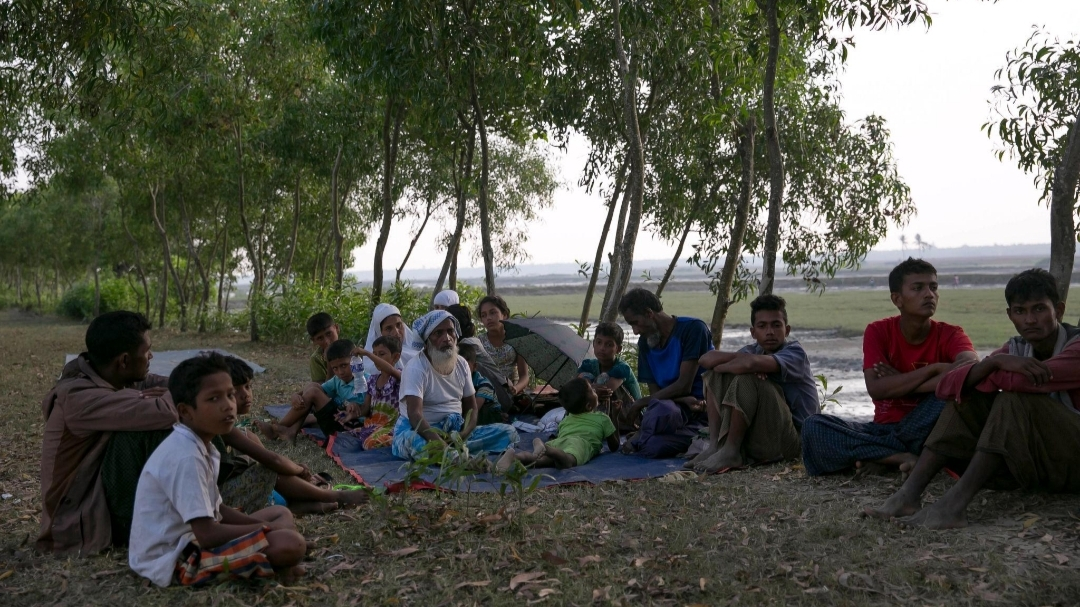
Inside Myanmar: Behind the scenes, an aggressive hate network was already at work. Extremist Buddhist monk Ashin Wirathu and the militant 969 Movement launched a massive anti-Rohingya campaign from Mandalay. Backed by the military junta (Tatmadaw) and ultra-nationalist Mogh networks, they falsely labeled the indigenous Rohingya as “illegal immigrants.” This dehumanizing rhetoric paved the way for the horrific military crackdowns of 2016 and 2017, forcing over 700,000 Rohingya to flee their homes in Arakan (Rakhine State).
2017: Exporting Hate to Sri Lanka: The hatred quickly crossed borders. In late 2017, radical monks linked to the extremist Ma Ba Tha movement led a violent attack on a UN safe house in Sri Lanka that was sheltering 31 Rohingya refugees mostly women and children. This was an early warning sign that anti-Rohingya hostility was successfully being exported to spark xenophobia in other nations.
2020: The COVID-19 Pandemic and Digital Weaponization
Malaysia: Human rights groups documented a massive surge in coordinated online disinformation on Facebook. Xenophobic posts flooded the platform, falsely accusing Rohingya refugees of spreading the coronavirus, breaking lockdowns, and draining state resources. The narrative heavily focused on economic threats, claiming refugees were “stealing local jobs.” Facebook’s recommendation algorithm rapidly amplified these high-engagement posts, triggering widespread public anger and harsher government immigration policies.
India: Concurrently, a hostile digital campaign targeted Rohingya refugees across India. Amplified by certain media channels and political rhetoric, the campaigns labeled the Rohingya as dangerous “illegal infiltrators.” This online hostility turned into real-world violence, resulting in arbitrary detentions, forced evictions, and arson attacks on refugee camps.
2023–2025: Coordinated “Buzzer” Networks and Physical Backlash
By this period, anti-Rohingya propaganda grew into highly sophisticated, multi-platform digital operations. This shift was most devastating in Aceh, Indonesia a region that had historically shown deep sympathy and welcomed arriving refugee boats.
The TikTok “Buzzer” Campaigns: Ahead of Indonesia’s general elections, political elites, content creators, and paid online commentators (known as “buzzers”) launched a massive campaign. They heavily utilized TikTok to frame the arrival of desperate boat refugees as an “invasion.” TikTok’s algorithm, optimized for rapid virality, pushed these sensationalist videos to millions of local users. The propaganda spread toxic lies claiming that refugees were demanding land, stealing local aid, and being used as illegal voters to rig elections.
Real-World Violence: This digitally manufactured vitriol led to immediate physical danger. Local communities began pushing refugee boats back out to sea and denying them food. In late 2023 and 2024, angry mobs of university students fueled by the misinformation they saw online stormed temporary refugee shelters in Banda Aceh, violently forcing terrified women and children out. Meanwhile, anonymous accounts targeted and doxed local UN humanitarian staff.
2026: The Virality of Mass Petitions and Targeted Threats in Malaysia
By mid-2026, the theater of digital hostility shifted back to Malaysia with unprecedented intensity, demonstrating how AI tools and fake account manipulation can rapidly institutionalize public exclusion.
The Weaponization of Mass Petitions: In May and June of 2026, a hostile online petition titled “Remove Rohingya from Malaysia” went viral on Change.org, quickly amassing over 300,000 signatures before the platform suspended it for violating guidelines against hate speech. The campaign relied on unsubstantiated claims that the refugee population which makes up less than 0.4% of the country was an unsustainable strain on national security.
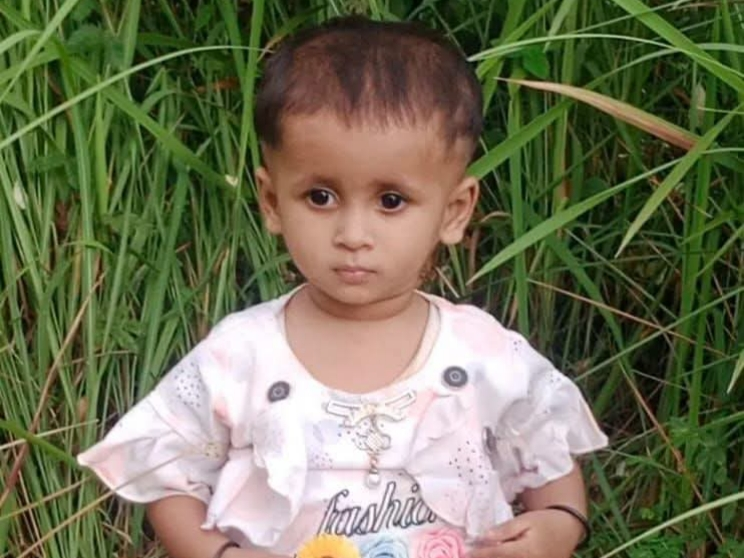
AI-Driven Disinformation: This surge was fueled by an influx of AI-generated photos and deepfake video clips showing fabricated interactions designed to make refugees look demanding and aggressive. Thousands of coordinated fake accounts flooded social media feeds with copy-pasted hate comments to drown out voice of reason. Digital hostility escalated into physical danger when online actors doxed Rohingya individuals including children leading to real-world harassment and bullying on the streets.
Backlash Against Human Rights Institutions: The climate became so toxic that when the Human Rights Commission of Malaysia (SUHAKAM) issued a public statement warning against the escalation of dangerous rhetoric, they faced a vitriolic public backlash, with thousands of automated and radicalized online users aggressively calling for the complete dissolution of the human rights body itself.
The Threat of “Politically Profitable” Hate
The continuous evolution of these campaigns through 2026 proves that the Rohingya crisis is no longer just a refugee issue. It is a textbook case study in how genocidal propaganda can cross borders, adapt to local politics, and become politically profitable for opportunistic actors looking for votes, nationalism, or social media clout.
Stopping this dangerous cycle requires urgent, decisive action from both governments and tech corporations. As emphasized by the UN Strategy and Plan of Action on Hate Speech, social media platforms must be held legally and financially liable for allowing profit-driven algorithms to amplify hate. Simultaneously, governments must aggressively prosecute hate campaigners and enforce strict oversight on hosting platforms. This regulatory crackdown must be paired with massive public education and digital literacy campaigns to immunize communities against toxic myths before they spark physical violence.
Author Bio : Muhammad Noor is a tech innovator, educational developer, and founder of RVision and the Rohingya Project, specializing in language and cultural preservation and digital advocacy for marginalized communities.