Category: Rohingya

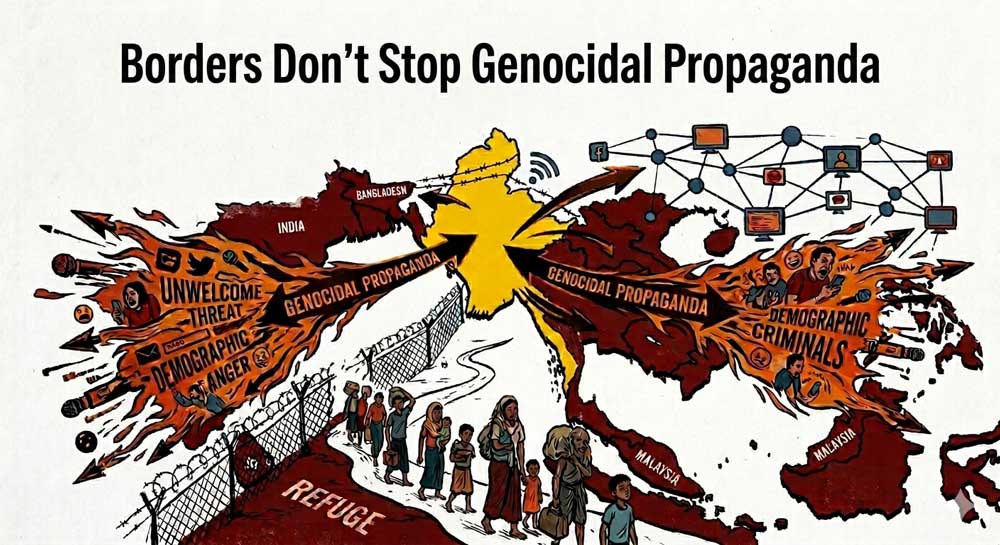
  • Borders Don’t Stop Genocidal Propaganda: Transnational Hate Campaign Against the Rohingya

    Borders Don’t Stop Genocidal Propaganda: Transnational Hate Campaign Against the Rohingya


    Every year on June 18th, the United Nations observes the International Day for Countering Hate Speech.

    Established in 2021, this day highlights a dangerous truth: hate speech is never harmless. It is the direct trigger for discrimination, xenophobia, and mass atrocities.

    For the Rohingya people, survivors of a brutal genocide in Myanmar, the warning signs of hate speech are not theoretical they are a harsh, daily reality. Over the past decade, anti-Rohingya hate campaigns have transitioned from localized violence into a highly sophisticated, borderless digital weapon deployed across Southeast Asia.

    The calculated objective of these coordinated efforts is to systematically manufacture unlivable conditions for refugees in neighboring host countries and strip them of vital public sympathy. To achieve this, nationalist networks and political actors weaponize online propaganda to spread damaging falsehoods portraying refugees as dangerous criminals and security threats, exploiting local economic anxieties by labeling them as liabilities who steal jobs and resources, and manufacturing groundless fears that they are aggressively demanding land, citizenship, or special privileges.

    Modern anti-Rohingya campaigns have evolved far beyond simple text posts into an advanced digital toolkit designed to manipulate public perception and evade social media moderation. Malicious networks now deploy AI-generated deepfakes and fabricated images to manufacture visual “proof” of refugees committing crimes or inciting unrest, while weaponizing bot factories to flood comment sections with coordinated hate, creating a false illusion of overwhelming public anger. This toxic content is further supercharged by social media giants like Facebook and TikTok, whose algorithms intentionally boost outrage, fear, and hatred to maximize user engagement and advertising revenue effectively turning a blind eye to real-world harm for corporate profit.

    Timeline: A Decade of Weaponized Hate

    2016: A Moment of Regional Solidarity: In late 2016, there was still visible international support for the Rohingya. For instance, Malaysian Prime Minister Najib Razak publicly championed their cause, calling on the international community to step in and stop the genocide of Rohingya Muslims in Myanmar.

    Inside Myanmar: Behind the scenes, an aggressive hate network was already at work. Extremist Buddhist monk Ashin Wirathu and the militant 969 Movement launched a massive anti-Rohingya campaign from Mandalay. Backed by the military junta (Tatmadaw) and ultra-nationalist Mogh networks, they falsely labeled the indigenous Rohingya as “illegal immigrants.” This dehumanizing rhetoric paved the way for the horrific military crackdowns of 2016 and 2017, forcing over 700,000 Rohingya to flee their homes in Arakan (Rakhine State).

    2017: Exporting Hate to Sri Lanka: The hatred quickly crossed borders. In late 2017, radical monks linked to the extremist Ma Ba Tha movement led a violent attack on a UN safe house in Sri Lanka that was sheltering 31 Rohingya refugees mostly women and children. This was an early warning sign that anti-Rohingya hostility was successfully being exported to spark xenophobia in other nations.

    2020: The COVID-19 Pandemic and Digital Weaponization

    Malaysia: Human rights groups documented a massive surge in coordinated online disinformation on Facebook. Xenophobic posts flooded the platform, falsely accusing Rohingya refugees of spreading the coronavirus, breaking lockdowns, and draining state resources. The narrative heavily focused on economic threats, claiming refugees were “stealing local jobs.” Facebook’s recommendation algorithm rapidly amplified these high-engagement posts, triggering widespread public anger and harsher government immigration policies.

    India: Concurrently, a hostile digital campaign targeted Rohingya refugees across India. Amplified by certain media channels and political rhetoric, the campaigns labeled the Rohingya as dangerous “illegal infiltrators.” This online hostility turned into real-world violence, resulting in arbitrary detentions, forced evictions, and arson attacks on refugee camps.

    2023–2025: Coordinated “Buzzer” Networks and Physical Backlash

    By this period, anti-Rohingya propaganda grew into highly sophisticated, multi-platform digital operations. This shift was most devastating in Aceh, Indonesia a region that had historically shown deep sympathy and welcomed arriving refugee boats.

    The TikTok “Buzzer” Campaigns: Ahead of Indonesia’s general elections, political elites, content creators, and paid online commentators (known as “buzzers”) launched a massive campaign. They heavily utilized TikTok to frame the arrival of desperate boat refugees as an “invasion.” TikTok’s algorithm, optimized for rapid virality, pushed these sensationalist videos to millions of local users. The propaganda spread toxic lies claiming that refugees were demanding land, stealing local aid, and being used as illegal voters to rig elections.

    Real-World Violence: This digitally manufactured vitriol led to immediate physical danger. Local communities began pushing refugee boats back out to sea and denying them food. In late 2023 and 2024, angry mobs of university students fueled by the misinformation they saw online stormed temporary refugee shelters in Banda Aceh, violently forcing terrified women and children out. Meanwhile, anonymous accounts targeted and doxed local UN humanitarian staff.

    2026: The Virality of Mass Petitions and Targeted Threats in Malaysia

    By mid-2026, the theater of digital hostility shifted back to Malaysia with unprecedented intensity, demonstrating how AI tools and fake account manipulation can rapidly institutionalize public exclusion.

    The Weaponization of Mass Petitions: In May and June of 2026, a hostile online petition titled “Remove Rohingya from Malaysia” went viral on Change.org, quickly amassing over 300,000 signatures before the platform suspended it for violating guidelines against hate speech. The campaign relied on unsubstantiated claims that the refugee population which makes up less than 0.4% of the country was an unsustainable strain on national security.

    AI-Driven Disinformation: This surge was fueled by an influx of AI-generated photos and deepfake video clips showing fabricated interactions designed to make refugees look demanding and aggressive. Thousands of coordinated fake accounts flooded social media feeds with copy-pasted hate comments to drown out voice of reason. Digital hostility escalated into physical danger when online actors doxed Rohingya individuals including children leading to real-world harassment and bullying on the streets.

    Backlash Against Human Rights Institutions: The climate became so toxic that when the Human Rights Commission of Malaysia (SUHAKAM) issued a public statement warning against the escalation of dangerous rhetoric, they faced a vitriolic public backlash, with thousands of automated and radicalized online users aggressively calling for the complete dissolution of the human rights body itself.

    The Threat of “Politically Profitable” Hate

    The continuous evolution of these campaigns through 2026 proves that the Rohingya crisis is no longer just a refugee issue. It is a textbook case study in how genocidal propaganda can cross borders, adapt to local politics, and become politically profitable for opportunistic actors looking for votes, nationalism, or social media clout.

    Stopping this dangerous cycle requires urgent, decisive action from both governments and tech corporations. As emphasized by the UN Strategy and Plan of Action on Hate Speech, social media platforms must be held legally and financially liable for allowing profit-driven algorithms to amplify hate. Simultaneously, governments must aggressively prosecute hate campaigners and enforce strict oversight on hosting platforms. This regulatory crackdown must be paired with massive public education and digital literacy campaigns to immunize communities against toxic myths before they spark physical violence.

    Author Bio : Muhammad Noor is a tech innovator, educational developer, and founder of RVision and the Rohingya Project, specializing in language and cultural preservation and digital advocacy for marginalized communities.

    Source link

  • Missing Child Reported in Rohingya Refugee Camp – Rohingya Khobor

    Missing Child Reported in Rohingya Refugee Camp – Rohingya Khobor


    By Hafizur Rahman

    Camp 1, Lambashiya, Kutupalong | June 18, 2026

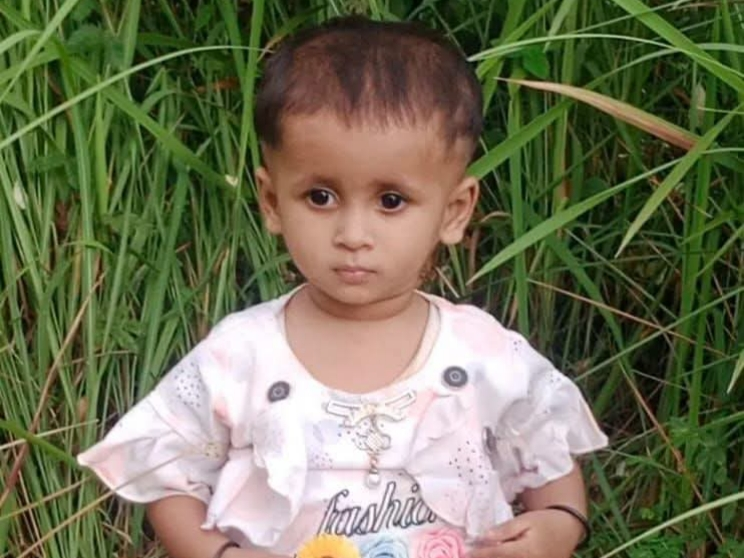
    A two-year-old child named Moni Akter has been reported missing from Block D-8 of Camp 1, Lambashiya, Kutupalong.

    According to family members, Moni Akter is the daughter of Rahamot Ullah. Local community leaders, including Majee Aniyatullah and Head Majee Toyoup, have been informed about the incident and are helping with the search efforts.

    The family is deeply worried and is requesting support from the community to help find the missing child as soon as possible.

    Anyone who has seen Moni Akter or has any information about her whereabouts is urged to contact the family immediately at:

    Contact Number: 01325-995768

    Community members are encouraged to share this information widely to help reunite Moni Akter with her family safely.


    Source link

  • Rohingya Repatriation Depends on Conditions in Myanmar, Bangladesh Foreign Minister Says – Rohingya Khobor

    Rohingya Repatriation Depends on Conditions in Myanmar, Bangladesh Foreign Minister Says – Rohingya Khobor


    by Hafizur Rahman

    Dhaka, Bangladesh | June 17, 2026

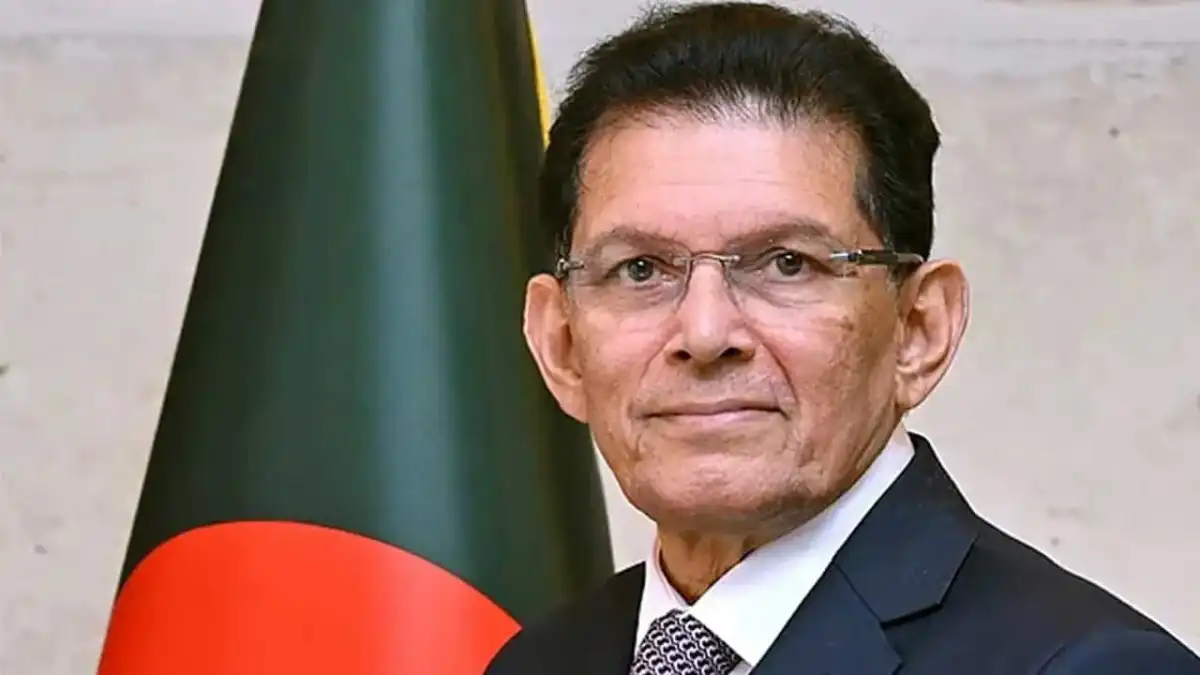
    The return of Rohingya refugees to Myanmar will depend on security conditions in Rakhine State, international support, and cooperation from Myanmar authorities, Bangladesh’s Foreign Minister Dr. Khalilur Rahman said on Wednesday.

    Speaking during a parliamentary budget session, the Foreign Minister said ongoing conflict and instability in Rakhine State continue to prevent the safe return of Rohingya refugees.

    According to Dr. Khalilur Rahman, international law prohibits the forced return of refugees to unsafe conditions. He said Bangladesh remains committed to ensuring that any repatriation process is safe, voluntary, and dignified.

    “The government is prepared to begin repatriation when conditions become favorable,” he said, adding that no specific timeline has been set.

    The Foreign Minister also said Bangladesh is encouraging dialogue between Myanmar authorities and the Arakan Army in an effort to help restore peace and stability in Rakhine State, which he described as essential for creating conditions for return.

    Addressing the refugee situation in Bangladesh, he said the country is currently hosting 1,189,213 Rohingya refugees. Information on 829,336 refugees has already been shared with Myanmar for verification as part of the repatriation process.

    Dr. Khalilur Rahman also highlighted security conditions in the refugee camps, saying government monitoring and special operations had contributed to a decline in serious crimes. According to official figures, murder cases in the camps decreased from 66 in 2023 to 49 in 2024 and 35 in 2025. Six murder cases were reported during the first three months of 2026.

    On humanitarian funding, he said aid agencies requested US$910.5 million under the 2026 Joint Response Plan to support Rohingya refugees and host communities. So far, approximately US$291 million has been received.

    The Foreign Minister reiterated that the long-term solution to the Rohingya crisis lies in the safe, voluntary, and dignified return of Rohingya refugees to their homeland in Myanmar. He said Bangladesh would continue diplomatic efforts with support from the international community to achieve that goal.


    Source link

  • Witnessing the Rohingya Genocide: A Field Diary from Cox’s Bazar – Rohingya Khobor

    Witnessing the Rohingya Genocide: A Field Diary from Cox’s Bazar – Rohingya Khobor


    (Series IV): Voices of the Host Community — Stories of Coexistence, Change, and Conscience

    Consent & Rights: This testimony was obtained with the full and informed consent of the interviewee. All rights related to the use, reproduction, and distribution of this account, in whole or in part, are held exclusively by the writer and the publisher. Unauthorized use or reproduction of this material without express written permission is strictly prohibited.

    by Luthfunnahar Shancyi

    Editor’s Note

    This is the fourth installment of Rohingya Khobor’s monthly series based on field experiences from the Rohingya camps. The author is a humanitarian worker with a background in law who has been involved in the Rohingya response since 2017, particularly in gender-based violence work.

    In this installment, the author turns to the experiences of the host community through the testimony of a young development worker from Ukhia who witnessed the 2017 influx firsthand. His reflections offer insight into how the Rohingya crisis has shaped local lives, relationships, and communities over the past nine years.

    The series documents lived realities from the ground, focusing on testimony, survival, and the conditions shaping everyday life in displacement.

    “Money can be earned at any stage of life, but the opportunity to stand by humanity in a moment of extreme danger is a rare blessing that time never turns back.”

    — Mizanur Rahman, Social Worker and Development Worker

    When discussing the Rohingya crisis, conversations often focus on refugees, international politics, humanitarian aid, or repatriation efforts. Yet another important dimension of this prolonged crisis is the host community, whose members have not only witnessed the events unfold but have also experienced their consequences in their own lives, communities, economies, and social realities.

    Mizanur Rahman is one of them.

    Currently a student of Development Studies at Jahangirnagar University, Mizan also works as a development worker with the Forensic Anthropology Foundation of Guatemala (FAFG) project implemented by Social Action for Voluntary Efforts (SAVE), Bangladesh.

    In August 2017, however, he was simply an 18-year-old young man from the Kutupalong area of Ukhia, Cox’s Bazar. His family home stood close to the registered Rohingya camp. As a result, the Rohingya population was never unfamiliar to him. Like many local residents, he had witnessed previous influxes, including the arrivals of 2012. But nothing prepared him for what began in August 2017.

    This is Mizan’s story.

    Witnessing the Influx

    “I still remember 25 August 2017 very clearly.

    I think it is difficult for people who have never visited Kutupalong or Ukhia to fully imagine what happened. We had known the Rohingya since childhood. They were not strangers to us. But what happened in 2017 was completely different.

    People just kept coming.

    They arrived exhausted, hungry, terrified, and injured. Some had lost children. Some had lost parents. Others had lost entire families.

    As people crossed the border, the entire area seemed filled with panic, tears, and uncertainty.

    I was only 18 years old. I was not connected to any NGO, and I knew very little about humanitarian work. But the suffering we witnessed affected us deeply. It felt impossible to stand aside and do nothing.”

    A Small Initiative Called Prottasha

    “My friends and I decided to act.

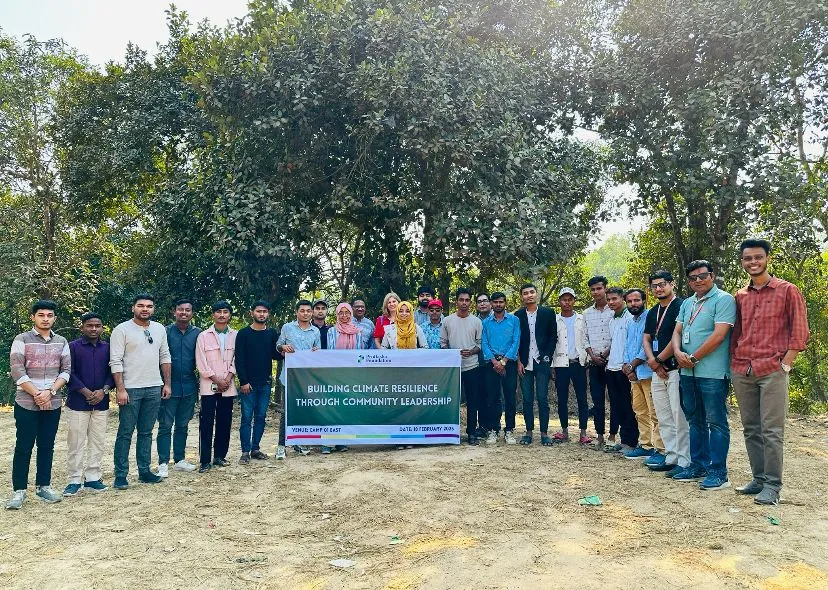
    We started a small initiative called Prottasha Foundation. We collected money from local elders and community members. With those contributions, we arranged hot meals for people arriving from the border, helped provide temporary shelter, and supported families in reaching safer locations inside the camps.

    When I look back now, I realize we did not even know what a ‘humanitarian response’ meant.

    We simply knew that people were in danger, and that we had a responsibility to help.”

    Opening Our Doors

    “One memory remains particularly vivid.

    On 26 August, heavy rain had been falling since morning. Two Rohingya families were standing near our house, completely soaked. One of the women was pregnant. They looked exhausted and helpless.

    My father noticed them from the rooftop. Without hesitation, he told us, ‘Bring them inside.’

    Those families had once been relatively well-off in Myanmar. Like many others, they stayed as long as they could before finally fleeing for their lives.

    They remained in our home for two days.

    Later, the authorities instructed local residents not to keep refugee families in private homes and directed them to move into the camps. The families eventually left, but our relationship did not end there.

    Even today, we remain in contact.

    Looking back, I believe many families across Cox’s Bazar did what they could. People did not calculate benefits before helping. Humanity felt much simpler then.”

    Learning the Meaning of Humanitarian Response

    “In the early months, Kutupalong was extremely chaotic.

    There was no fully organized administrative structure. WASH facilities were inadequate. Healthcare and protection systems were still developing. Everywhere you looked, there were people in need.

    Relief trucks arrived from different parts of Bangladesh. Local residents also contributed whatever they could.

    At the same time, we learned an important lesson. Humanitarian assistance cannot be driven by emotion alone. Culture, habits, dignity, and lived realities matter.

    For example, many well-meaning donors sent jeans and other clothing that many Rohingya people did not feel comfortable wearing due to cultural preferences.

    My friends and I tried to explain that aid should not only be delivered; it should also be appropriate for the people receiving it.

    We also noticed major inequalities in distribution. Some households received far more assistance than they could use, while others received very little. Those early experiences taught us that good intentions alone are not enough.”

    Kutupalong Before and After 2017

    “Kutupalong before 2017 was very different from the Kutupalong we know today.

    Our village was peaceful. Muslims, Hindus, and Buddhists lived side by side. Crime was rare. Education was highly valued. Every year, someone from the area would become a BCS cadre.

    Life was simple, but beautiful.

    There were only a handful of multi-story buildings. The market was small. Demand was low. Life moved at a slower pace.

    Since 2017, the area has changed dramatically.

    Economically, some people have benefited. Individuals who once drove auto-rickshaws may now own several CNGs. New businesses have emerged, and construction has expanded.

    But these changes have also come with costs.

    The prices of everyday necessities have increased significantly. Low-income local families face growing economic pressure. Farmers often struggle to find laborers. Demand from a large population has pushed up food prices.

    Perhaps the biggest change has been in security.

    The peace that once defined our community has weakened. The risks of drug trafficking and human trafficking have increased in and around the camps. Some local residents have also become involved in these networks in search of quick income.

    Before 2017, many of us could never have imagined such changes.”

    Building Bridges Through Sport

    “Despite everything, this story is not only about hardship.

    There are also moments that give me hope.

    Through Prottasha Foundation, we began organizing football and cricket tournaments involving both Rohingya and host community youth.

    I have seen how quickly people connect on a playground.

    For a few hours, labels such as ‘refugee’ or ‘host community’ become less important. Friendships emerge naturally.

    Through these activities, we have built meaningful relationships with many Rohingya friends. I have invited some of them to my wedding, and they have invited me to family events.

    Recently, a misunderstanding involving local residents and people connected to the Hindu Para camp created tensions. Because trust had been built over many years, community members were able to sit together, talk, and calm the situation.

    That trust mattered.”

    Lessons from the Rohingya

    “To be honest, I did not become interested in Development Studies because of my family.

    The Rohingya inspired me.

    Watching their struggles taught me how to understand human rights in a deeper way.

    I believe the most difficult situation today belongs to Rohingya youth. An entire generation is growing up without citizenship, without certainty, and without knowing their homeland.

    Yet they possess tremendous talent and potential.

    Without opportunities, however, young people can easily become vulnerable to harmful influences.

    That is why I always tell Rohingya youth: keep building your capabilities. Education, skills, and awareness will be your greatest strength in the future.

    I also have a message for Bangladeshi youth.

    Many young people today think about financial gain before anything else. But opportunities to stand beside people during moments of extreme suffering do not come often.

    Money can always be earned later.

    The opportunity to stand by humanity does not come twice.”

    A Crisis Without a Solution

    “To me, the Rohingya crisis is not only a Bangladeshi issue. It is a global humanitarian crisis.

    Cox’s Bazar continues to face environmental pressure, rising prices, and growing social challenges. Bangladesh has hosted millions of people, yet there is still no permanent solution.

    Without meaningful action from the international community, this situation will continue.

    My own experiences volunteering in the camps made this reality impossible to ignore.

    I remember sitting inside small shelters and listening to families describe how they fled violence with nothing but a few belongings and memories of home.

    Those conversations changed me.

    They shaped my understanding of tolerance, solidarity, and humanity.

    I still hope that one day justice will be served for the Rohingya genocide and that Rohingya families will be able to return home safely and with dignity.

    Until then, their story remains our shared responsibility.”

    Luthfunnahar Shancyi is a law graduate and human rights professional. Since entering the humanitarian sector during the 2017 Rohingya genocide response, she has worked on issues related to gender-based violence, protection, and community engagement. Through this series, she documents testimonies and field experiences from the Rohingya camps, focusing on memory, displacement, survival, and justice.


    Source link

  • Gold Prices Fall in Myanmar Following Decline in Global Market – Rohingya Khobor

    Gold Prices Fall in Myanmar Following Decline in Global Market – Rohingya Khobor


    by Hafizur Rahman

    Myanmar | June 15, 2026

    Gold prices in Myanmar fell on June 15 following a decline in international gold markets, according to local traders and market data.

    Market figures showed that the global gold price stood at US$4,316 per ounce, while the exchange rate was around 4,220 Myanmar Kyats per US dollar.

    In Myanmar’s domestic market, the price of 24K gold (16.329 grams per tical) recorded a notable decline. The selling price fell from 9,970,000 MMK to 9,800,000 MMK, a decrease of 170,000 MMK. The buying price dropped from 9,900,000 MMK to 9,720,000 MMK, down by 180,000 MMK.

    The price of 23K gold also declined. The selling price per tical fell from 9,380,000 MMK to 9,220,000 MMK, marking a decrease of 160,000 MMK.

    Meanwhile, the reference gold price set by the Yangon Region Gold Entrepreneurs Association (YGEA) stood at 6,950,000 MMK per tical.

    Gold traders said Myanmar’s gold market remains closely linked to international price movements. Fluctuations in global gold prices continue to influence local buying and selling rates, affecting traders, investors, and consumers.

    Market observers said future price trends will likely depend on developments in global financial markets, currency movements, and investor demand for gold in the coming weeks.


    Source link

  • Child Found Dead After Alleged Kidnapping in Rohingya Camp – Rohingya Khobor

    Child Found Dead After Alleged Kidnapping in Rohingya Camp – Rohingya Khobor


    By Hafizur Rahman

    Camp-09, Cox’s Bazar | June 14, 2026

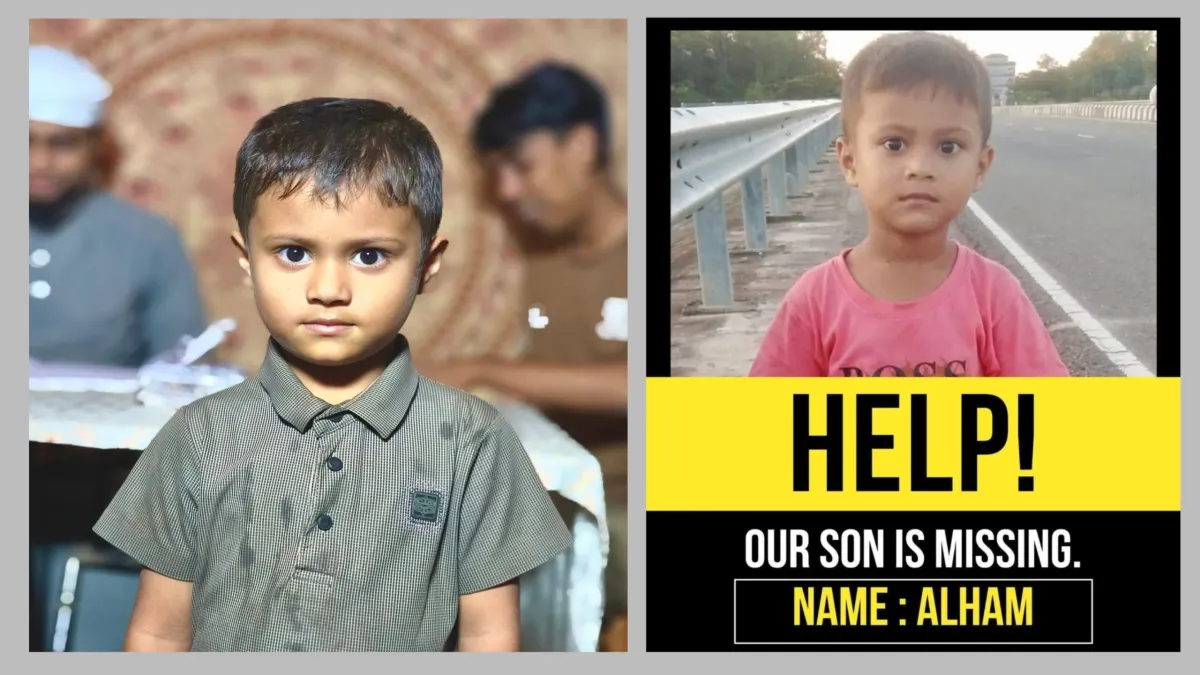
    A tragic incident has shocked residents of Camp-09 after a missing child was reportedly found dead following an alleged kidnapping. The child has been missing since 4 June 2026. 

    The child, identified as Alham, son of Mv Tabarek Hussain, lived in Balukhali Camp-09. According to family members, Alham had been missing for some time, and his relatives were desperately searching for him.

    Sources close to the family said that the kidnappers allegedly demanded and received 380,000 Bangladeshi Taka from the child’s parents. However, despite the payment, the child was not returned safely.

    Later, heartbreaking news reached the family when Alham was reportedly found dead today on Sunday, 14 June. The incident has left relatives, friends, and community members in deep sorrow and anger.

    Residents have called for a thorough investigation into the case and urged the authorities to identify those responsible and bring them to justice.

    The loss of a child under such circumstances has deeply affected the community, with many expressing condolences to the grieving family.

    May Almighty Allah forgive Alham’s shortcomings, grant him the highest place in Jannah, and give strength and patience to his family during this difficult time. 

    Note: The details above are based on information provided by the family and community sources. Authorities have not yet publicly released an official investigation report.


    Source link

  • Beyond the Headlines: A Balanced Perspective on the Rohingya Issue in Malaysia

    Beyond the Headlines: A Balanced Perspective on the Rohingya Issue in Malaysia


    Recent discussions surrounding the Rohingya community in Malaysia have generated strong emotions and differing opinions. As debates continue across social media and news platforms, it is more important than ever that public discourse remains balanced, informed, and guided by both facts and humanity.

    For decades, Malaysia has provided refuge to tens of thousands of Rohingya Muslims fleeing one of the world’s longest-running humanitarian crises. Although Malaysia is not a signatory to the 1951 Refugee Convention, it has nevertheless opened its doors to people escaping persecution, violence, and statelessness. This humanitarian tradition has earned Malaysia respect both regionally and internationally.

    At the same time, it is entirely understandable that many Malaysians have genuine concerns. Questions surrounding employment, public services, security, undocumented migration, and social integration deserve open, honest, and responsible discussion. Every sovereign nation has the right to enforce its laws and safeguard the welfare of its citizens. Acknowledging these concerns is not an act of hostility it is part of responsible governance.

    Equally, the Rohingya community must recognise that preserving Malaysia’s social harmony and humanitarian reputation is a shared responsibility. Every act of good character strengthens public trust, while every act of misconduct—by anyone—risks harming both the community and Malaysia’s long-standing tradition of compassion.

    However, it is equally important to distinguish between legitimate policy discussions and broad generalisations about an entire community. The actions of a small number of individuals should never define hundreds of thousands of people. Such generalisations risk creating prejudice against families who have committed no wrongdoing and who are themselves victims of persecution, particularly when there are many valid and well-documented reasons behind their displacement.

    Most Rohingya families did not leave their homeland by choice. For decades, they endured systematic discrimination, atrocity crimes, denial of citizenship, and severe restrictions on education, healthcare, freedom of movement, marriage, and employment. Generations were intentionally deprived of opportunities that most societies consider basic human rights. From the years following Myanmar’s independence in 1948 through successive military operations culminating in the atrocities of 2017, countless Rohingya families lost parents, children, and loved ones to violence, displacement, and persecution. These experiences have left deep psychological, social, and economic scars that continue to affect the community today.

    Like refugees everywhere, the overwhelming majority of Rohingya aspire to simple things: to live in safety, educate their children, earn an honest living where opportunities permit, and one day return to their homeland with dignity, equal citizenship, and lasting peace.

    The Rohingya community also bears important responsibilities. Every refugee should respect Malaysian laws, honour local customs and traditions, avoid involvement in crime, and strive to contribute positively to society wherever possible. Community leaders have a crucial role in encouraging education, lawful conduct, and good relations with the wider Malaysian public. Good character is often the strongest response to misunderstanding.

    Likewise, media organisations, public figures, and social media users share a responsibility to ensure that information is accurate and presented responsibly. Sensational headlines, misinformation, and inflammatory rhetoric may attract attention, but they can also deepen fear, fuel hatred, and undermine social harmony. Responsible journalism should distinguish verified facts from rumours and avoid portraying isolated incidents as representative of an entire community.

    It is also important to recognise that the information environment surrounding the Rohingya issue has, for many years, been influenced by organised disinformation. Researchers, journalists, and international human rights organisations have documented online propaganda and coordinated campaigns linked to pro-military networks in Myanmar that have sought to dehumanise the Rohingya and spread false narratives about them. Such misinformation has often travelled across borders through social media, shaping public perceptions far beyond Myanmar itself. This serves as a reminder that viral content should always be approached critically and verified before being accepted or shared.

    At the same time, all parties should remain mindful that any mistreatment of refugees or the spread of hatred against vulnerable communities can also be be exploited by those seeking to tarnish Malaysia’s international image. Malaysia has long been recognised for its humanitarian spirit and compassion. Preserving that reputation requires wisdom, restraint, and a commitment to justice from both Malaysians and the refugee communities living among them.

    Islam teaches justice even when emotions run high. Allah says:

    “O you who believe! Stand firmly for justice, as witnesses to Allah, even if it be against yourselves or your parents and relatives.” (Qur’an 4:135)

    Justice requires that we neither ignore legitimate public concerns nor abandon compassion for those who have suffered. These two principles are not contradictory—they complement one another.

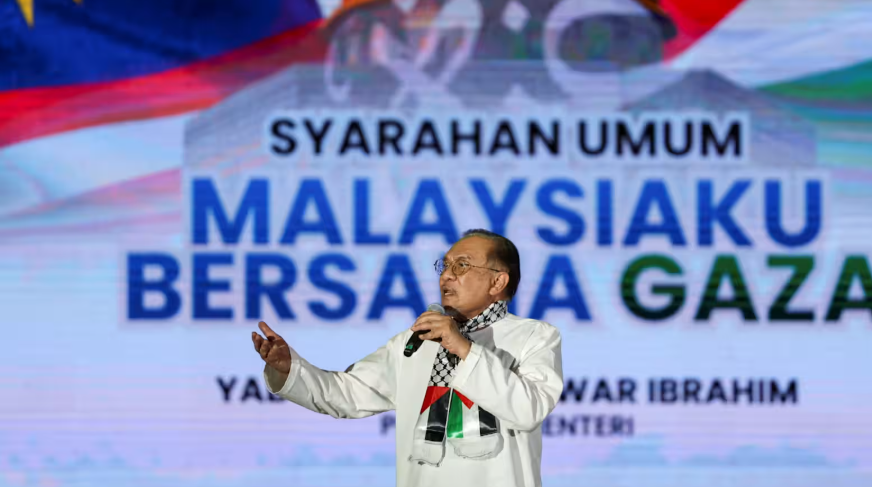
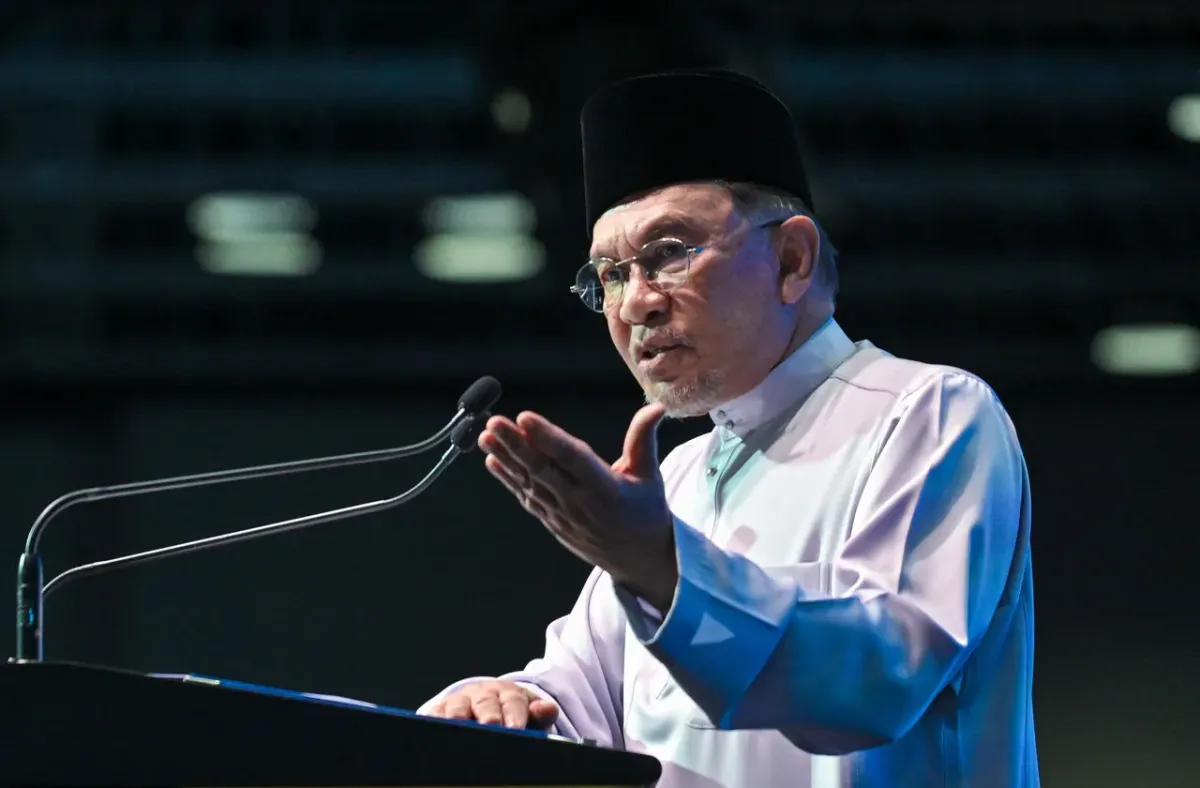
    The recent remarks by Prime Minister Datuk Seri Anwar Ibrahim illustrate just how complex this issue truly is. While reaffirming Malaysia’s humanitarian commitment to people fleeing persecution, he also reminded Rohingya refugees that they must respect Malaysian laws and regulations and that those who violate the law will face appropriate enforcement. At the same time, he acknowledged that calls to simply “send them back” overlook the reality that repatriation remains impossible while Myanmar continues to deny safe and dignified return. He further urged Malaysians to uphold humanity and allow the authorities—not public emotion—to address the matter through the rule of law.

    His message reflects the balanced approach Malaysia has consistently sought to maintain: compassion without compromising the rule of law, and firm enforcement without abandoning humanitarian values.

    The Rohingya crisis did not begin in Malaysia, nor can it be solved by Malaysia alone. Its roots lie in decades of statelessness, discrimination, and conflict within Myanmar. Any lasting solution will require genuine political change in Myanmar, regional cooperation, and stronger international commitment to addressing the root causes of displacement.

    Ultimately, Malaysians and Rohingya alike seek peaceful communities, secure families, and hopeful futures. Building trust will require effort from everyone government, civil society, community leaders, the media, and refugees themselves.

    Malaysia’s strength has never been measured solely by its ability to enforce the law, but also by its ability to uphold justice with wisdom and compassion. By rejecting hatred, resisting misinformation, respecting the rule of law, and remembering our shared humanity, Malaysians and Rohingya alike can contribute to a society that is both secure and compassionate. In doing so, Malaysia will continue to demonstrate that security and humanity are not opposing ideals, but complementary values that strengthen the nation and preserve its proud humanitarian legacy.

    Author Bio : Farid Abu Ahmed, Independent writer from Malaysia (farid_br@yahoo.com)

    * This represents the writer’s own opinion only it doesn’t necessarily reflect organizational stance.*


    Source link

  • Rohingya in Arakan Face Growing Struggles as Displacement and Uncertainty Continue – Rohingya Khobor

    Rohingya in Arakan Face Growing Struggles as Displacement and Uncertainty Continue – Rohingya Khobor


    By Hafizur Rahman

    Maungdaw and Buthidaung, Arakan State | June, 13, 2026

    Many Rohingya families across Arakan State are facing increasing difficulties as displacement, travel restrictions, fears of military recruitment, and the loss of homes continue to affect their daily lives.

    In recent days, several incidents have highlighted the challenges facing Rohingya communities in Maungdaw and Buthidaung townships, where many people say they are struggling to find safety and stability.

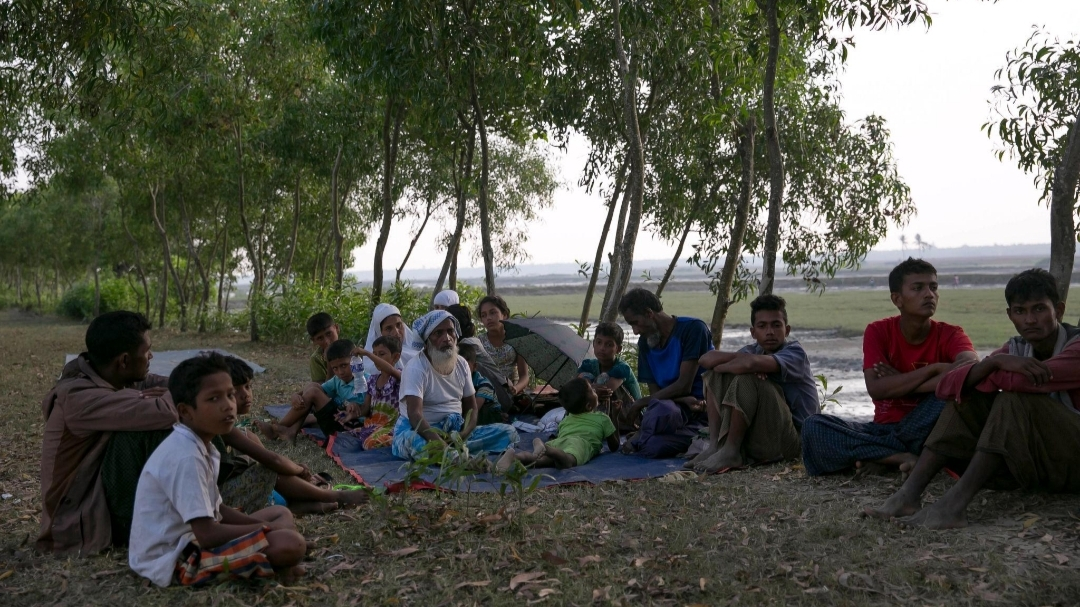
    On June 5, a group of 46 Rohingya, including children, elderly people, and individuals suffering from long-term illnesses, were left stranded along the Naf River after being returned from Bangladesh. According to local residents, the group had fled from Buthidaung because of worsening living conditions, including food shortages and ongoing displacement.

    After being sent back, the families were reportedly unable to return to their villages and remained on the riverbank with very little food, drinking water, or shelter. Residents said many of them had nowhere else to go and were forced to wait in difficult conditions.

    Just two days later, another group of 16 Rohingya from Buthidaung Township faced a similar situation. The group, which included women, elderly people, and small children, reportedly attempted to cross the border but was returned. Local sources said they spent hours in heavy rain before being detained by the Arakan Army (AA) near Mingala Gyi village in Maungdaw Township.

    The incidents have added to concerns among Rohingya families already struggling with displacement. Many people from Buthidaung are now living in temporary shelters after leaving their homes. With the rainy season underway, conditions have become even harder as flooding and bad weather affect daily life.

    At the same time, residents in several villages of Maungdaw Township say military recruitment registration has recently resumed. According to local sources, village authorities have been collecting the names of young men and women between the ages of 18 and 30.

    The reports have created anxiety among many parents and young people. Families say they are worried about what the registration could mean for the future of their children, while many youths fear it could affect their education and future plans.

    Residents have also reported difficulties while traveling through the Shwezar checkpoint in Maungdaw. Community members claim that even people carrying the required travel documents sometimes face punishment over minor issues.

    One recent incident reportedly involved four mosque teachers from Paungzar village who were ordered to perform sit-ups after checkpoint personnel claimed there were stains on their recommendation letters. Local residents said the incident caused embarrassment and has increased fear among people who regularly travel through the area.

    Meanwhile, displaced families from Maung Ni village say several homes belonging to Rohingya residents have recently been dismantled. According to local sources, building materials were removed from houses whose owners had fled because of the conflict.

    For many families living away from their villages, the reported destruction of homes has been heartbreaking. Residents say those houses represented years of hard work and hope for one day returning home.

    Together, these developments paint a difficult picture for Rohingya communities across Arakan. As displacement continues and concerns about safety, movement, and livelihoods grow, many families say they remain uncertain about what the future holds.

    For now, thousands of Rohingya continue to wait and hope for a time when they can live in peace, rebuild their lives, and return to a sense of normalcy.


    Source link

  • Malaysia PM Urges Rohingya Refugees to Follow Laws and Regulations – Rohingya Khobor

    Malaysia PM Urges Rohingya Refugees to Follow Laws and Regulations – Rohingya Khobor


    By Hafizur Rahman

    Kuala Lumpur, June 13, 2026

    Malaysian Prime Minister Anwar Ibrahim has urged Rohingya refugees living in Malaysia to follow the country’s laws and regulations, warning that legal action will be taken against those who break the rules.

    Speaking to reporters after Friday prayers at a mosque in Kuala Lumpur, Anwar said that while Malaysia continues to show compassion and provide humanitarian support to Rohingya refugees, everyone living in the country must respect local laws.

    He explained that businesses, buildings, and other activities operated by Rohingya refugees must comply with Malaysian regulations. If any rules are violated, authorities will take the necessary action.

    Anwar said the issue had been discussed during a Cabinet meeting with the Home Minister to ensure that laws are enforced fairly and consistently. He also called on local authorities and state governments to play a stronger role in addressing misconduct and the misuse of premises.

    Addressing calls from some groups to send Rohingya refugees back to Myanmar, Anwar said the situation remains complicated. He noted that efforts to return refugees or resettle them in third countries have faced many challenges, partly because of difficulties in working with Myanmar authorities.

    According to Anwar, during his meetings with Myanmar leaders, he stressed the importance of ensuring humanitarian aid reaches all people in need and called for an end to violence and oppression against civilians in Myanmar, regardless of their religion or ethnicity.

    The Prime Minister also urged Malaysians to remain compassionate and allow authorities to handle issues involving the Rohingya community. He encouraged the public to uphold humanitarian values while respecting the law.

    Malaysia continues to face challenges in managing the Rohingya refugee situation while balancing humanitarian responsibilities and legal enforcement.


    Source link

  • Remains of 27 Rohingya Boat Tragedy Victims Laid to Rest in Kedah – Rohingya Khobor

    Remains of 27 Rohingya Boat Tragedy Victims Laid to Rest in Kedah – Rohingya Khobor


    By Tawfiq Al-Mohsin

    ALOR SETAR, June 11, 2026 

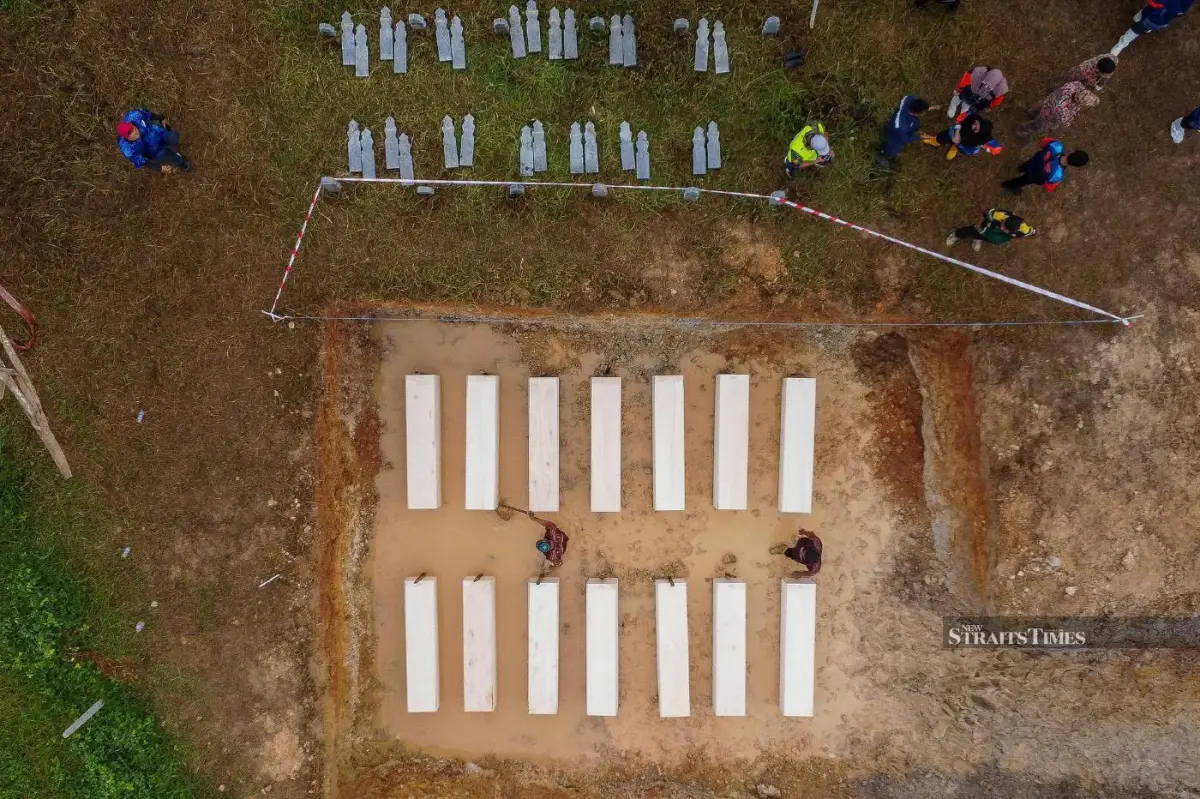
    The remains of 27 Rohingya migrants who perished in a boat capsize off the coast of Langkawi in November last year were laid to rest on Thursday at the Old Islamic Cemetery in Tualang, Pokok Sena, Kedah.

    The victims, consisting of 13 men and 14 women, were buried according to Islamic rites under the supervision of the Kedah Islamic Religious Council (MAIK). The burial process began at 7.30 a.m. after authorities completed the management of the remains earlier that morning.

    Kedah Police Chief Datuk Adzli Abu Shah said the burial was conducted following the Temporary Controlled Burial (TCB) procedure, based on recommendations from medical authorities.

    “The management of the remains commenced at 10 p.m. yesterday and was completed at 7 a.m. today. The burial was carried out in accordance with the prescribed TCB procedure,” he said.

    The victims were among passengers believed to have been aboard a vessel carrying approximately 90 undocumented migrants from Myanmar, Bangladesh, and the Rohingya community. The boat reportedly broke apart near the Malaysia–Thailand maritime border on Nov. 8 last year while attempting to enter Malaysian waters illegally.

    A subsequent search and rescue operation recovered 27 bodies from the waters off Langkawi. The remains were later transferred to the Forensic Department of Sultanah Bahiyah Hospital in Alor Setar for identification and management.

    Authorities continue to investigate the circumstances surrounding the tragedy, including the cause of the incident, the route used by the migrants, and the individuals responsible for organizing the smuggling operation.

    Datuk Adzli stated that the case is being investigated under Section 26A of the Anti-Trafficking in Persons and Anti-Smuggling of Migrants Act 2007 (ATIPSOM).

    The incident has once again highlighted the ongoing challenges posed by migrant smuggling networks operating in the region and the dangers faced by vulnerable migrants undertaking perilous sea journeys in search of safety and better opportunities.

    This version is written in a standard newspaper style suitable for publication in a news website, newspaper, or newsletter.


    Source link