Category: Rohingya

  • UN Audit Finds Mismanagement and Waste in Rohingya Aid Projects in Bangladesh – Rohingya Khobor

    UN Audit Finds Mismanagement and Waste in Rohingya Aid Projects in Bangladesh – Rohingya Khobor


    By Tawfiq Al-Mohsin

    Cox’s Bazar, Bangladesh | June 2026

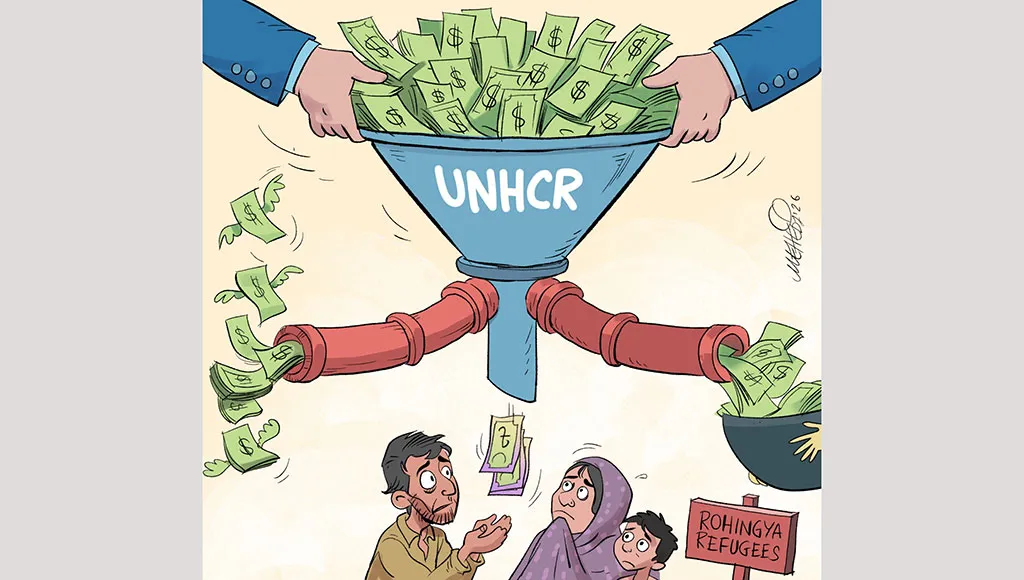
    An internal United Nations audit has uncovered serious problems in several Rohingya refugee assistance projects managed by the United Nations High Commissioner for Refugees (UNHCR) in Bangladesh. The audit found cases of mismanagement, waste of funds, weak planning, and poor oversight in projects carried out between January 2023 and December 2024.

    According to the audit conducted by the UN Office of Internal Oversight Services (OIOS), several projects were not properly planned or aligned with UNHCR’s main objectives. As a result, resources were wasted, some projects duplicated work already done by others, and large amounts of money were spent on facilities and services that were never used.

    The report found that several health facilities and expensive medical equipment remained unused. These included a specialized hospital in Ukhiya built at a cost of $1.5 million and a 20-bed inpatient facility in Bhasan Char equipped with solar systems and medical equipment worth more than $200,000.

    The audit also highlighted weaknesses in healthcare services for refugees. It said that the lack of disease prevention programs contributed to increases in respiratory infections and Hepatitis C cases in 2024. The report noted that there were no adequate epidemic preparedness plans, making it difficult to respond quickly to outbreaks such as acute watery diarrhea, cholera, scabies, and head lice.

    Problems were also found in the management of medicines and medical supplies. One vendor was reported to have supplied medical needles after changing their expiry dates. The same company later received a contract worth $1.82 million, despite previously being blacklisted. The audit also found that a more expensive supplier was chosen over a cheaper option, resulting in financial losses.

    UNHCR spent millions of dollars on nutrition, health referral, medicine, energy, and infrastructure projects. However, auditors found weak beneficiary selection, outdated guidelines, poor monitoring systems, and unnecessary spending. The report stated that a health information system costing over $165,000 has remained non-operational since 2018.

    The audit further revealed duplication in infrastructure projects. In some areas, multiple organizations constructed water networks, pumping stations, and tube wells in the same locations. Energy projects in Bhasan Char also duplicated work already completed by the government.

    Questions were also raised about procurement practices. The report found that some contractors and suppliers received contracts despite offering higher prices than competitors. One construction contractor handled projects worth $25 million with rates reportedly 26 percent above market prices, leading to potential losses of around $6.5 million.

    The audit identified additional spending concerns, including payments for honor boards, staff uniforms, documentaries, unused warehouses, and office buildings. A newly constructed office in Cox’s Bazar remained unused for five months, while UNHCR continued paying rent for its previous office.

    Transportation and fuel management were also criticized. Auditors found that several vehicles remained unused while rental fees continued to be paid. LPG purchases exceeded actual needs by millions of dollars, and delays in adopting fuel-saving cooking methods resulted in missed opportunities to reduce costs.

    The report said that despite eight years of the Rohingya crisis, most funding continued to be spent on emergency relief, while much smaller amounts were directed toward long-term solutions and self-reliance programs.

    Responding to the findings, UNHCR spokesperson Shari Nijman said the agency remains committed to transparency and accountability. She stated that audits are important for improving operations and that steps are already being taken to address the recommendations and strengthen oversight, efficiency, and program implementation.

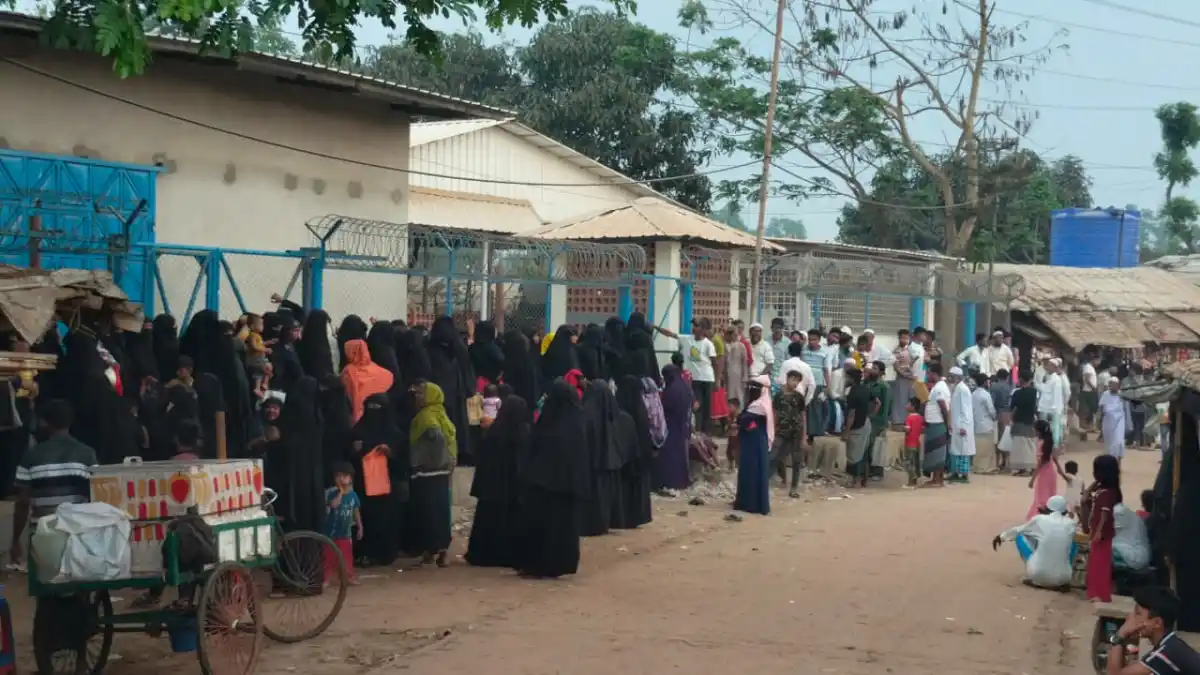
    Bangladesh currently hosts more than 1.3 million Rohingya refugees, most of whom fled violence and persecution in Myanmar’s Rakhine State, including nearly 750,000 people who arrived following the military crackdown in 2017.

    Source link

  • The Paradox of Malaysia’s Refugee Landscape

    The Paradox of Malaysia’s Refugee Landscape


    Malaysia’s relationship with displaced populations is a complex paradox. On one hand, the state explicitly rejects any international legal mandate to protect refugees. On the other, it has a proud, decades-long history of stepping up as a humanitarian leader during global crises.

    Zero International Obligation vs. Decades of Humanitarian Aid

    Because Malaysia is not a signatory to the 1951 Refugee Convention or its 1967 Protocol, it has no structural, legal duty under international law to provide asylum, shelter, or civil rights to refugees. Officially, domestic immigration laws draw no distinction between an asylum seeker and an undocumented economic migrant.

    Despite having zero international legal obligations, Malaysia has historically chosen to open its borders and provide informal sanctuary to persecuted populations worldwide based on solidarity and humanitarian empathy:

    • The Bosnian Crisis (1990s): During the Bosnian War, Malaysia was one of the first and most vocal non-European nations to condemn the genocide of Bosnian Muslims. The government actively evacuated and temporarily resettled hundreds of Bosnian families, providing them with housing and education.
    • Global Humanitarian Hosting: Over the decades, Malaysia has extended ad-hoc protection to thousands of displaced people fleeing war-torn countries across Asia and Africa including Palestinians, Syrians, Afghans, Sudanese, and Somalis.
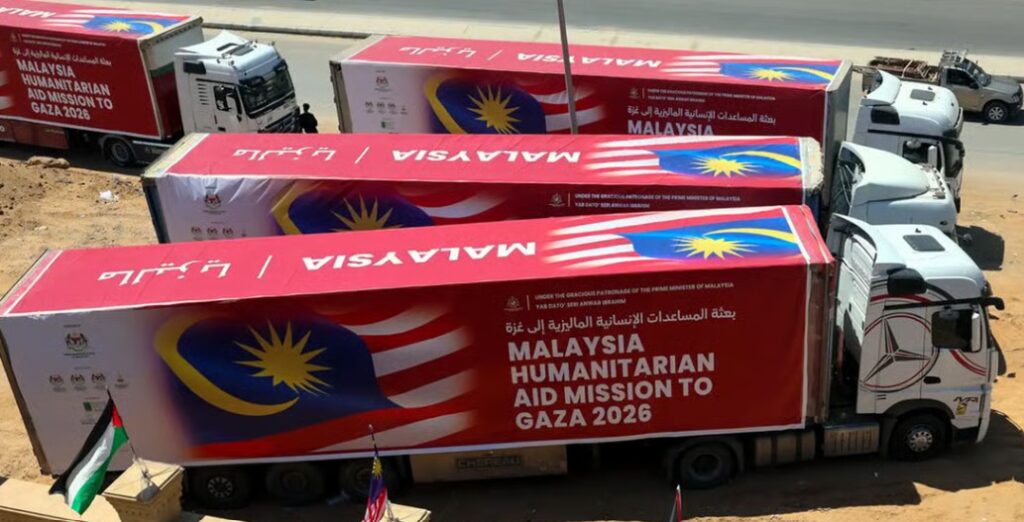
    • The Gaza Flotillas: Malaysia’s civil society and government have consistently supported the Palestinian cause, actively participating in and coordinating international humanitarian aid missions, including the high-profile Freedom Flotilla operations to break blockades.

    The UNHCR Framework: Informal Protection and Systemic Stagnation

    Operating within this legal vacuum, the UNHCR office in Kuala Lumpur acts as the primary administrative body managing displaced populations. The UNHCR issues a refugee protection card to registered individuals. While this card carries absolutely no formal legal value under Malaysian law, local enforcement authorities do recognize it on informal humanitarian grounds. This recognition provides refugees with a fragile layer of safety, often minimizing the immediate risk of arrest or immediate deportation during routine checks.

    The card also unlocks basic access to public healthcare facilities, though it offers cold comfort financially; refugees do not qualify for heavily subsidized citizen rates and are instead charged expensive foreigner rates (albeit with a partial discretionary discount for cardholders). Furthermore, the ultimate goal of the system is effectively paralyzed. The process of resettlement to a safe third country is notoriously backlogged and agonizingly slow, frequently dragging out for up to 20 years for a single family. Making matters worse, severe registration bottlenecks and tightening operational limits mean that new arrivals of refugees are completely shut out, left waiting indefinitely without being granted a UNHCR card.

    The Human Cost of “Policy Limbo”

    While Malaysia’s historical compassion is undeniable, the absence of a clear, consistent, and codified national refugee policy has turned this arrangement into a serious crisis. Without permanent legal frameworks, both the state and the displaced populations are caught in an unstable environment.

    • Treatment as “Illegal Migrants”: Stripped of formal humanitarian standing, refugees face a daily denial of basic services. They are legally barred from the formal job market and public education. This systemic exclusion forces them into the informal economy, exposing them to extreme labor exploitation, wage theft, and unsafe working environments.
    • The Threat of Indefinite Detention: Under the Immigration Act 1959/63, refugees live under a constant shadow of fear. During regular immigration sweeps, those without active verification face arrest and prolonged, often indefinite confinement in Immigration Detention Centers (IDCs) for years without a trial or access to legal counsel.
    • The Security Trap (Tracking and Surveillance): To address its own national security concerns regarding the unmonitored population, the government introduced parallel tracing mechanisms like the Dokumen Pendaftaran Pelarian (Refugee Registration Document or DPP system) under National Security Council Directive No. 23. While this biometric tracing system helps the state track individuals and aims to replace UNHCR tracking, it does not solve the root problem: it gathers data without granting the refugees legal status, protection from arrest, or a pathway to safe livelihoods.

    The Strategic Impasse: Malaysia’s current approach leaves everyone in limbo. The government struggles to manage a massive undocumented population using temporary security measures, while vulnerable refugees—who fled actual genocide and warremain stuck in a legal vacuum where they can neither safely rebuild their lives nor legally integrate into society.


    Source link

  • Australia Announces $11.4 Million Support Package for Rohingya Refugees and Host Communities – Rohingya Khobor

    Australia Announces $11.4 Million Support Package for Rohingya Refugees and Host Communities – Rohingya Khobor


    by RK desk

    Cox’s Bazar, Bangladesh | June 24, 2026

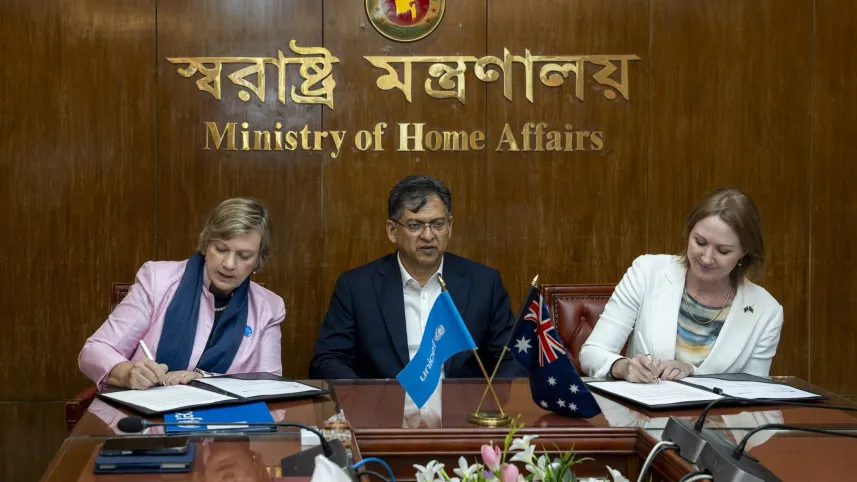
    Australia has announced a new funding package of USD 11.4 million (AUD 16 million) to support Rohingya refugees and host communities in Bangladesh through UNICEF over the next three years.

    The funding, which began in April 2026 and will continue through 2028, aims to sustain essential services for Rohingya children, including education, healthcare, nutrition, and child protection.

    Speaking during a meeting with Bangladesh’s Home Minister, Australian High Commissioner Susan Ryle reaffirmed Australia’s commitment to supporting Rohingya refugees and the communities hosting them.

    She said the new contribution would help ensure that Rohingya children continue to receive access to critical services, protection, and learning opportunities.

    UNICEF Representative Rana Flowers emphasized the importance of sustained international support, warning that funding shortfalls could leave many Rohingya children without access to education and other essential services.

    According to UNICEF, Australia has been a longstanding partner in humanitarian efforts supporting Rohingya refugees in Bangladesh. In 2025, UNICEF programmes supported by Australian funding reached more than 637,000 people in the refugee camps and surrounding host communities.

    Despite the new contribution, humanitarian agencies continue to face funding challenges. UNICEF estimates a remaining funding gap of USD 13.5 million for priority life-saving programmes planned for 2026.

    Aid organizations have urged the international community to maintain support for Rohingya refugees and host communities to ensure continued access to essential humanitarian services.


    Source link

  • HIV Cases Continue to Rise in Cox’s Bazar, Health Officials Urge Greater Awareness – Rohingya Khobor

    HIV Cases Continue to Rise in Cox’s Bazar, Health Officials Urge Greater Awareness – Rohingya Khobor


    by Hafizur Rahman

    Cox’s Bazar, Bangladesh | June 23, 2026

    Health officials in Cox’s Bazar have expressed concern over a continued increase in HIV cases, particularly among populations living in and around the Rohingya refugee camps.

    According to data from the local health department, approximately 2,500 people living with HIV have been identified in Cox’s Bazar. Officials said that the majority of registered cases are among Rohingya refugees residing in camps in Ukhiya and Teknaf, while around 170 patients are from the local host community.

    Data from the Anti-Retroviral Therapy (ART) Center at Cox’s Bazar Sadar Hospital show that HIV cases have increased steadily in recent years. In 2025, the center recorded 217 newly identified HIV-positive cases, while 215 new cases were reported in 2024.

    Health officials attribute the rise in infections to several factors, including limited awareness, inadequate health education, unsafe sexual practices, and barriers to accessing healthcare services.

    Cox’s Bazar Civil Surgeon Dr. Mohammad Sabir said HIV prevalence remains significantly higher among camp populations than among local residents. He noted that health authorities and humanitarian organizations are continuing treatment services and awareness campaigns to help prevent new infections.

    Medical professionals have also raised concerns about mother-to-child transmission of HIV. Some children have contracted the virus from their mothers during pregnancy, childbirth, or breastfeeding.

    Doctors at the ART Center said HIV-positive mothers are receiving specialized support through the Prevention of Mother-to-Child Transmission (PMTCT) program, which aims to reduce the risk of transmission to newborns.

    Health experts say stronger awareness campaigns, expanded testing services, improved health education, and uninterrupted access to treatment will be essential to preventing further infections and addressing the growing public health challenge.


    Source link

  • Grade 9 Student Reportedly Abducted, Family Says Kidnappers Demand 5 Lakh Taka – Rohingya Khobor

    Grade 9 Student Reportedly Abducted, Family Says Kidnappers Demand 5 Lakh Taka – Rohingya Khobor


    By Hafizur Rahman

    June 23, 2026

    A Grade 9 student from Camp 10 was reportedly abducted by unidentified individuals, according to his family, who say the kidnappers are demanding 5 lakh taka for his release.

    The victim, Mohammed Rezuwan, 18, is the son of Mohammed Rofique and lives in Block H-34 of Camp 10. Family members said he went missing after leaving for Bhalukhali Pan Bazar.

    According to the family, they suspect Rezuwan was abducted from the market area. After his disappearance, the alleged kidnappers contacted the family through a voice call and demanded 5 lakh taka. The family said the callers threatened to kill Rezuwan if the money was not paid.

    “The kidnappers told us that if we do not give them 5 lakh taka, we will have to collect his dead body from a beach,” a family member said. “But they did not tell us which beach.”

    The family also claimed that Rezuwan is being physically assaulted while being held captive. However, these claims could not be independently verified.

    “We are poor people living in the camp. How can we arrange 5 lakh taka? Every moment we fear for Rezuwan’s life and pray that he returns home safely,” said a relative.

    The incident has created fear and concern among residents in the area.

    “The kidnapping of a young student has shocked the community. Children should be in school, not living in fear. We hope the authorities take immediate action to rescue him,” said a local resident.

    Rezuwan’s family says they have no ability to arrange such a large amount of money and are appealing to the authorities and concerned organizations for urgent assistance to ensure his safe return.

    At the time of reporting, no information was available about Rezuwan’s whereabouts, and the identity of the alleged kidnappers remains unknown.


    Source link

  • The End of One Journey, the Beginning of Another: New YCR Report Documents Challenges Facing Newly Arrived Rohingya Refugees – Rohingya Khobor

    The End of One Journey, the Beginning of Another: New YCR Report Documents Challenges Facing Newly Arrived Rohingya Refugees – Rohingya Khobor


    By Ro Maung Shwe

    Cox’s Bazar, Bangladesh — For thousands of Rohingya who fled renewed violence in Myanmar during 2024, crossing into Bangladesh was not the end of their suffering. While many escaped armed conflict, loss, and displacement, a new report suggests that the struggle for survival continues long after reaching safety.

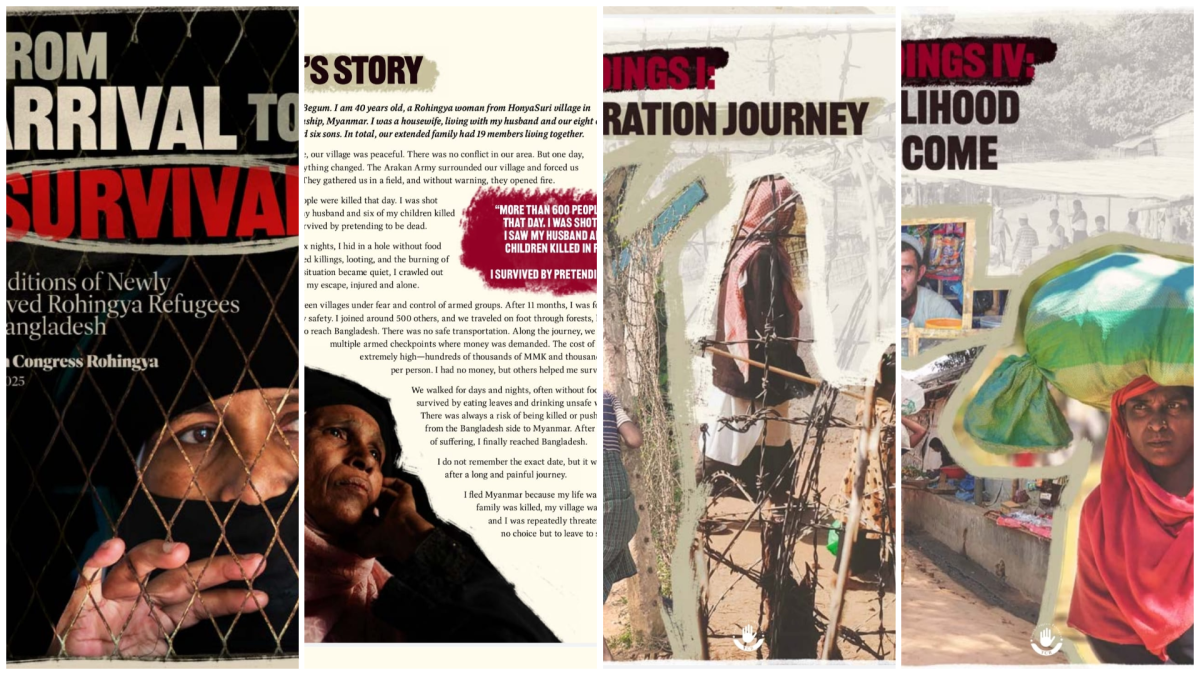
    A newly released report by Youth Congress Rohingya (YCR), titled From Arrival to Survival: The Migration Journey and Humanitarian Challenges of Newly Arrived Rohingya Refugees in Bangladesh, documents the experiences of Rohingya refugees who arrived in Bangladesh following the escalation of violence in northern Rakhine State.

    Based on interviews with newly arrived refugees, the report examines both the dangers people faced while fleeing Myanmar and the challenges they continue to encounter inside the refugee camps of Cox’s Bazar.

    According to YCR, the findings reveal widespread displacement, family separation, civilian casualties, and significant humanitarian needs. The report places particular emphasis on the voices of survivors, presenting firsthand accounts of loss, displacement, and the search for safety.

    Many participants described fleeing their homes under life-threatening circumstances as violence spread across their communities. Respondents recounted witnessing killings, injuries, destruction of property, and repeated attacks before eventually crossing the border into Bangladesh.

    One of the report’s most striking findings concerns family loss. According to YCR, 45 percent of participants reported losing at least one family member during the conflict or while fleeing. Respondents attributed these deaths to armed attacks, shelling, lack of medical care, starvation, drowning during dangerous river and sea crossings, and enforced disappearances.

    Beyond the physical loss, survivors spoke of enduring emotional trauma. Many described the pain of being unable to recover the bodies of loved ones or conduct proper funeral rites before fleeing.

    The report also documents the uncertainty surrounding responsibility for attacks. Many participants alleged that attacks carried out by the Arakan Army (AA) resulted in civilian deaths, while others said they could not determine whether violence was committed by the AA or Myanmar military forces because of the intensity and confusion of the fighting. YCR presents these accounts as testimonies provided directly by survivors.

    For many refugees, reaching Bangladesh required a long and dangerous journey. While some crossed the border within days, others spent weeks or even months moving from place to place as violence intensified around them.

    Several interviewees reported being pushed back into Myanmar before eventually succeeding in reaching Bangladesh. Others described repeated displacement, detention, and uncertainty before finally arriving at refugee camps.

    According to the report, the majority of newly arrived refugees entered Bangladesh between July and September 2024, during a period of intensified fighting in northern Rakhine State.

    Yet arrival in Bangladesh did not immediately resolve many of the hardships they faced.

    The report highlights significant challenges related to registration, humanitarian assistance, healthcare, education, and livelihoods. Although 85 percent of respondents said they eventually received some form of humanitarian assistance, 15 percent reported receiving no assistance at all, largely because they lacked registration documents or official refugee identification.

    Many interviewees said they waited months before becoming eligible for food assistance and other essential services.

    Food assistance was the most widely available form of support, but respondents frequently described it as insufficient to meet household needs. Refugees also reported limited access to healthcare services, shelter materials, education, hygiene supplies, mental health support, child nutrition programs, and menstrual hygiene assistance.

    Even among those receiving aid, many continued to struggle. Participants described administrative errors, delays in registration, long distances to distribution centres, lengthy queues, and restrictions requiring only registered heads of household to collect assistance.

    The report further finds that newly arrived refugees have few sustainable ways to support themselves. More than half of respondents reported receiving no remittances or financial assistance from relatives and remained almost entirely dependent on humanitarian aid because opportunities to earn an income inside the camps are extremely limited.

    Throughout the report, YCR stresses the importance of listening directly to Rohingya voices. Survivor testimonies illustrate not only the violence that forced people from their homes but also the continuing challenges of rebuilding lives after displacement.

    Based on its findings, YCR calls for faster and more inclusive refugee registration procedures, improved access to humanitarian services, stronger protection mechanisms, expanded healthcare and psychosocial support, increased educational opportunities for children, and more equitable distribution of aid throughout the camps.

    The organization also urges humanitarian agencies, the Government of Bangladesh, donors, and the wider international community to ensure that newly arrived Rohingya refugees are not excluded from life-saving assistance because of documentation delays or administrative barriers.

    For many Rohingya families, reaching Bangladesh marked the end of one dangerous journey. Yet, as the report makes clear, it also marked the beginning of another struggle—one defined by uncertainty, limited opportunities, and the daily challenge of survival.

    YCR concludes that addressing these humanitarian gaps while ensuring protection, dignity, and inclusion for newly arrived refugees remains an urgent responsibility requiring sustained international attention and support.


    Source link

  • The Midnight Post That Changed Hundreds of Lives – Rohingya Khobor

    The Midnight Post That Changed Hundreds of Lives – Rohingya Khobor


    By Ro Maung Shwe

    Hundreds of Rohingya families stayed awake late into the night on 12 June 2026, waiting for a single Facebook post that carried extraordinary significance. For students across the refugee camps in Cox’s Bazar, the announcement would determine the outcome of years of study, sacrifice, and perseverance.

    At exactly midnight, the Education Board for Rohingya Refugees (EBRR) published the results of its Grade-12 final examinations on its official Facebook page, triggering celebrations across the camps.

    The announcement marked the culmination of months of preparation by students who continue to pursue education despite the many challenges of life in displacement.

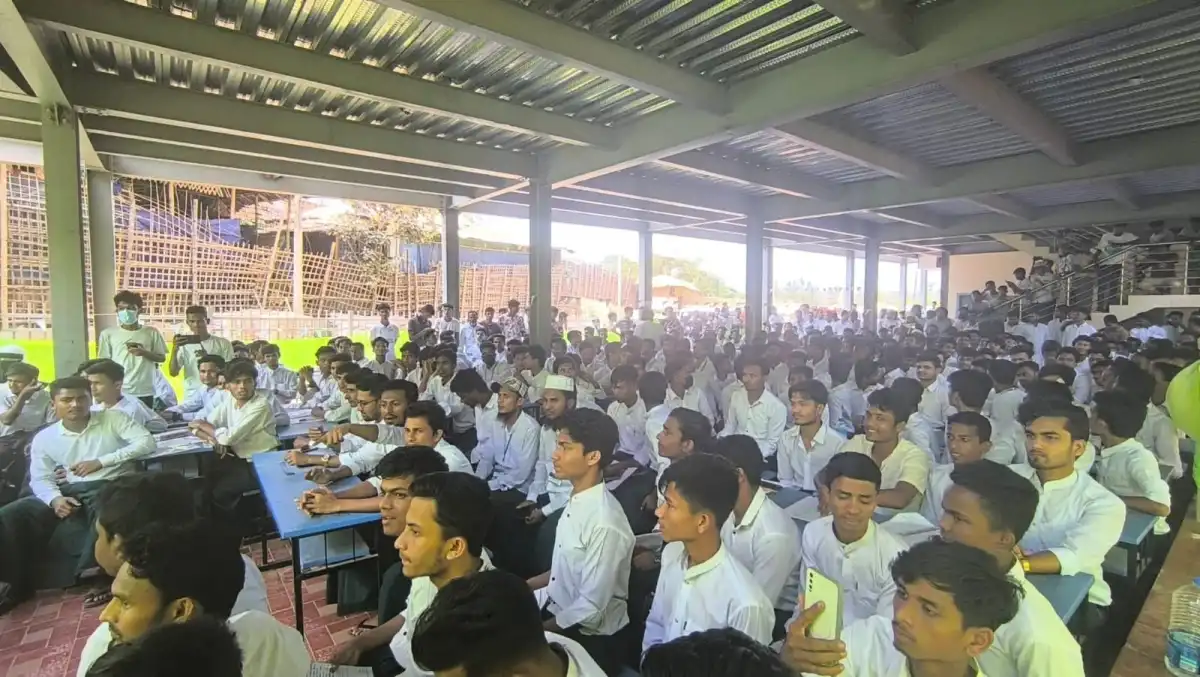
    Nearly 300 Grade-12 students from community-led schools sat for the examinations approximately three months earlier. According to the published results, 145 students successfully passed.

    Among the successful candidates, 45 students achieved distinction, reflecting outstanding academic performance. Of these, 25 students earned one distinction, 13 earned two distinctions, two earned three distinctions, two earned four distinctions, and two earned five distinctions. No student achieved six distinctions this year.

    As news of the results spread, families, teachers, relatives, and friends rushed to congratulate the successful students. Community organizations, youth groups, educators, and Rohingya public figures also shared messages of encouragement and appreciation across social media platforms.

    For many families, the results represented far more than academic achievement. In a community that continues to face displacement, uncertainty, and limited educational opportunities, the success of these students symbolized hope and the possibility of a better future.

    In several camps, parents celebrated their children’s accomplishments through family gatherings and thanksgiving meals. Some families reportedly slaughtered goats or cattle to share their happiness with relatives, neighbors, and members of the community.

    Teachers described this year’s results as another important milestone for the Rohingya-led education system, praising the commitment of students and volunteer educators who continue teaching and learning despite limited resources.

    Among those celebrating was Shakil Akter, one of the successful candidates.

    “Passing this examination is a dream come true for me. Despite many challenges, we never gave up. I hope the international community will help us continue our higher education so that we can serve our people in the future.”

    Mujibur Rahman, a student from Kutupalong Refugee Camp who achieved five distinctions, said education remains a source of hope even under difficult circumstances.

    “Education has given us hope even in difficult circumstances. We want opportunities to study at universities and develop the skills needed to contribute to our community and humanity.”

    Hakmot Ullah, a student from Kutupalong Camp-6 and a graduate of Life Destination Community-Led School who earned two distinctions, said the achievements of Rohingya students demonstrate their untapped potential.

    “This result is only the beginning. Many talented Rohingya students are ready to excel if they are given access to scholarships and quality higher education. We hope our achievements will inspire greater investment in Rohingya youth.”

    Community leaders and education advocates noted that these achievements reflect years of perseverance under extraordinary circumstances. Despite growing up in refugee camps with severe restrictions and limited educational resources, Rohingya students continue to demonstrate determination, discipline, and academic excellence.

    The examination results have also renewed calls for international organizations, humanitarian agencies, educational institutions, and the Rohingya diaspora to expand opportunities for higher education. Many believe that scholarships, vocational training, university admissions, and professional development programs are essential to ensure that talented Rohingya youth can continue their studies and contribute to the future development of their community.

    For the Rohingya community, the success of the 2026 EBRR graduates carries significance far beyond examination scores. It stands as a reminder that even in displacement, education remains one of the most powerful expressions of resilience and one of the strongest foundations upon which a future can be rebuilt.


    Source link

  • World Refugee Day: Rohingya Youth Raise Their Voices for Justice, Protection, and the Right to Return Home – Rohingya Khobor

    World Refugee Day: Rohingya Youth Raise Their Voices for Justice, Protection, and the Right to Return Home – Rohingya Khobor


    20 June – World Refugee Day

    By Ro Maung Shwe

    For millions of refugees around the world, World Refugee Day is a moment of reflection on displacement, resilience, and survival. For the Rohingya people, however, it is also a reminder of an unfinished struggle.

    Across the refugee camps of Cox’s Bazar and within Rohingya diaspora communities worldwide, this year’s World Refugee Day was marked not by celebration but by renewed calls for justice, dignity, citizenship, and the right to return safely to their ancestral homeland in Arakan, now known as Rakhine State, Myanmar.

    Leading many of these efforts were Rohingya youth, who organized awareness campaigns, community discussions, and advocacy activities to remind the world that the Rohingya crisis remains unresolved nearly a decade after the mass displacement of 2017.

    Throughout these initiatives, young Rohingya repeatedly voiced a simple but powerful message:

    “Arakan is our home, let us return.”

    Other messages reflected the frustrations and aspirations of a generation that has grown up in exile.

    “We don’t want to depend on others’ support. Let us use our creativity, just provide access to opportunities.”

    “Rohingya demand not for luxury, just enough humanitarian services to survive.”

    These slogans capture more than political demands. They reflect the hopes of a generation that refuses to allow displacement to define its future.

    A Generation Growing Up in Exile

    Nearly nine years after the 2017 mass exodus from Myanmar, more than one million Rohingya refugees remain displaced, the majority living in camps across Cox’s Bazar.

    For many young Rohingya, life in the camps is the only reality they have ever known. Thousands were born after their families fled Myanmar, while others arrived as children and have spent much of their lives in displacement.

    Despite their resilience, opportunities remain limited.

    Educational pathways are restricted, livelihood opportunities are scarce, and humanitarian funding shortages have reduced assistance across multiple sectors. Families continue facing challenges linked to food insecurity, inadequate healthcare, trafficking risks, camp fires, seasonal flooding, and growing uncertainty about the future.

    While humanitarian assistance remains essential for survival, many Rohingya youth emphasize that aid alone cannot address the deeper causes of their displacement.

    Living Without Refugee Status

    Although Rohingya are widely recognized internationally as refugees, Bangladesh officially refers to them as Forcibly Displaced Myanmar Nationals rather than granting formal refugee status.

    This distinction carries practical consequences for everyday life.

    Many Rohingya continue to face restrictions on movement, limited access to formal employment, barriers to higher education, and continued dependence on humanitarian assistance. As international funding declines, many families struggle to meet basic needs, including food, healthcare, clothing, and educational materials.

    For young people growing up in the camps, these realities create significant obstacles to building secure and independent futures.

    Yet despite these challenges, Rohingya youth continue advocating for education, leadership, skills development, and meaningful participation in shaping their community’s future.

    More Than Humanitarian Assistance

    On this World Refugee Day, many Rohingya youth stressed that they do not seek permanent dependence on aid.

    What they seek is recognition of their rights.

    They seek opportunities to study, work, develop their talents, and contribute to society. Above all, they seek a safe, voluntary, dignified, and sustainable return to their homeland with full citizenship, equal rights, and guaranteed protection.

    Until the root causes of displacement are addressed, humanitarian assistance remains essential. But many advocates argue that humanitarian support must be accompanied by stronger international efforts aimed at justice, accountability, and durable political solutions.

    The Reality Inside Arakan

    While discussions about repatriation continue, conditions inside Arakan remain deeply concerning.

    Ongoing armed conflict has left many Rohingya civilians trapped between competing military actors. Human rights organizations and community sources have documented reports of civilian killings, forced displacement, restrictions on humanitarian access, arbitrary detention, disappearances, and other serious abuses.

    Recent reports have also raised concerns about forced recruitment practices affecting Rohingya communities, including allegations involving women and children in certain areas. Human rights organizations have further documented allegations of mass killings of Rohingya civilians and have repeatedly called for independent investigations.

    For many refugees, these developments reinforce a painful reality: the conditions necessary for safe and sustainable repatriation do not yet exist.

    Return cannot be voluntary or dignified if insecurity, discrimination, and denial of rights remain unchanged.

    As World Refugee Day is observed around the world, Rohingya communities are urging international actors to move beyond humanitarian assistance alone.

    Aid saves lives, but it does not resolve statelessness.

    Food assistance can prevent hunger, but it cannot restore citizenship.

    Emergency support can sustain communities, but it cannot deliver justice.

    Rohingya advocates continue calling on the international community to intensify diplomatic and political efforts aimed at addressing the root causes of the crisis. They urge governments, international institutions, and humanitarian actors to work toward accountability for atrocity crimes, restoration of citizenship rights, protection of civilians, and the creation of conditions necessary for safe and voluntary return.

    “Arakan Is Our Home”

    For many Rohingya youth, the central message of this World Refugee Day remains unchanged.

    They do not seek a future defined by camps, aid distributions, or permanent displacement.

    They seek the opportunity to return home with dignity and equal rights.

    As one slogan repeated throughout this year’s activities declared:

    “Arakan is our home, let us return.”

    Nearly nine years after the events that forced hundreds of thousands of Rohingya from their homeland, that demand continues to resonate across camps and communities worldwide.

    Humanitarian assistance must continue, but lasting peace will only be achieved when Rohingya refugees can return safely, freely, voluntarily, and with full citizenship, equal rights, and human dignity.

    Until then, World Refugee Day remains not only a day of remembrance, but also a call for action.


    Source link

  • 4-Year-Old Rohingya Child Reported Missing from Camp 3 – Rohingya Khobor

    4-Year-Old Rohingya Child Reported Missing from Camp 3 – Rohingya Khobor


    by Hafizur Rahman

    Cox’s Bazar, Bangladesh | June 19, 2026

    A four-year-old Rohingya girl has been reported missing from Camp 3 in Cox’s Bazar, according to her family.

    The child, identified as Bosma, daughter of Rawfiq, disappeared from Modusara Block A7 at around 12:00 a.m. on June 19, family members said.

    Relatives and community members have been searching for the child since her disappearance but have so far been unable to locate her.

    The family has appealed to camp residents and the wider community for assistance in finding Bosma and bringing her home safely.

    Anyone who has seen the child or has information about her whereabouts is requested to contact the family at:

    Contact Number: 01763-983700

    Family members said they continue to search for Bosma and are urging people to share any information that may help locate her.


    Source link

  • Moulana Phir Muzaffor Ahmad: A Scholar, Teacher, and Guardian of Rohingya Spiritual Heritage – Rohingya Khobor

    Moulana Phir Muzaffor Ahmad: A Scholar, Teacher, and Guardian of Rohingya Spiritual Heritage – Rohingya Khobor


    By Nora Bibi

    For generations of Rohingya Muslims, the name Moulana Phir Muzaffor Ahmad has remained closely associated with Islamic scholarship, spiritual guidance, and community service. At a time when the Rohingya people faced political uncertainty, social challenges, and increasing marginalization, he dedicated his life to education, religious leadership, and the preservation of both Islamic values and Rohingya identity.

    Remembered by many as a scholar of deep knowledge and humility, Moulana Phir Muzaffor Ahmad left behind a legacy that continues to influence Rohingya communities across the world.

    Roots in Arakan

    Moulana Phir Muzaffor Ahmad was born on 29 October 1927 in Buthidaung Township, Arakan, during the British colonial period. He came from a respected family known for religious scholarship and community leadership.

    His father, Moulana Phir Ali Ahmad, was a well-known Islamic scholar and spiritual figure in the region, while his mother was remembered as a pious woman who strongly encouraged religious education within the family. Growing up in such an environment shaped his character from an early age and nurtured his commitment to learning and service.

    Like many scholars of his generation, he began his education in local madrasas, where he studied Qur’anic recitation, Arabic language, Hadith, Fiqh, and other Islamic sciences. Teachers and community members soon recognized his intellectual ability, dedication, and discipline.

    Journey to Darul Uloom Deoband

    Seeking higher Islamic education, he traveled to India in the late 1940s and enrolled at Darul Uloom Deoband in 1947.

    At the time, Darul Uloom Deoband was already one of the most influential centers of Islamic learning in South Asia, attracting students from across the Muslim world. There, Moulana Phir Muzaffor Ahmad pursued advanced studies in Hadith, Islamic jurisprudence, and classical Islamic sciences.

    He completed his studies in 1952.

    His years at Deoband played a transformative role in shaping both his scholarly outlook and spiritual identity. The education he received there would later guide his work as a teacher, mentor, and religious leader among Rohingya Muslims.

    A Lifetime Dedicated to Education

    After completing his studies, he returned to Arakan and settled once again in Buthidaung Township.

    Rather than pursuing personal advancement, he devoted himself to teaching and community service. Over the following decades, he became one of the most respected Islamic educators in the region.

    He served as a senior teacher and later as a leading Hadith scholar and administrator at Jamia Riyadul Uloom. Through his work, he educated and mentored generations of students, many of whom later became teachers, imams, religious scholars, and community leaders themselves.

    Former students often remembered him not only for his knowledge but also for his patience, discipline, and concern for the moral development of young people. For many families, sending children to study under his guidance was regarded as a privilege.

    Family and Community Life

    Moulana Phir Muzaffor Ahmad was also a devoted family man. He was married and raised children who remained connected to religious education and community service.

    Several members of his family later became involved in teaching and Islamic activities, helping to continue the scholarly tradition he had cultivated throughout his life.

    His home was known for its welcoming atmosphere. Students, visitors, scholars, and community members frequently gathered there for religious discussions, advice, and guidance. Even during periods of political instability and hardship, his household remained a center of learning and hospitality.

    Leadership During Difficult Times

    The decades during which Moulana Phir Muzaffor Ahmad lived and worked were marked by profound changes in Myanmar.

    As military rule expanded and restrictions on Rohingya communities intensified, many religious leaders found themselves operating under increasing pressure. Surveillance, limitations, and political uncertainty became part of daily life for many Rohingya scholars.

    Despite these challenges, he continued his educational and humanitarian work.

    He worked with various Islamic organizations and educational initiatives dedicated to promoting religious unity, social reform, and the welfare of Muslim communities in Arakan. Throughout these years, he remained committed to peaceful engagement, education, and moral leadership.

    His influence extended beyond formal religious institutions. Many people sought his advice on family disputes, community concerns, and social matters, trusting his judgment and integrity.

    A Spiritual Guide Beyond Arakan

    Over time, Moulana Phir Muzaffor Ahmad became recognized not only as a scholar but also as a spiritual mentor.

    His teachings reached Rohingya communities far beyond Myanmar. Rohingya refugees and diaspora communities in Bangladesh, Saudi Arabia, Pakistan, and other countries continued to seek inspiration from his guidance and scholarship.

    Many followers regarded him as a source of stability during periods of displacement and uncertainty. His sermons and teachings emphasized faith, patience, moral responsibility, and community solidarity.

    For thousands of people, his role extended far beyond the classroom.

    Preserving History and Identity

    Alongside his educational and spiritual work, Moulana Phir Muzaffor Ahmad also contributed to preserving aspects of Rohingya history and collective memory.

    Through writings, speeches, and public engagement, he documented and discussed the challenges faced by the Rohingya people, including discrimination, exclusion, and historical injustice.

    At a time when Rohingya identity was increasingly contested, such efforts played an important role in preserving historical awareness for future generations.

    His work helped ensure that important aspects of Rohingya history and experience would not be forgotten.

    His Final Years and Passing

    Moulana Phir Muzaffor Ahmad remained active in religious and educational work throughout his later years.

    In January 2006, he traveled to Mecca for pilgrimage. On 22 January 2006, he passed away in the holy city and was buried there.

    News of his death spread quickly among Rohingya communities around the world. Many mourned the loss of a scholar who had spent his entire life serving religion, education, and community welfare.

    For many of his followers, being buried in Mecca was regarded as a special honor and a fitting conclusion to a life devoted to faith and service.

    A Legacy That Endures

    Nearly two decades after his passing, Moulana Phir Muzaffor Ahmad continues to be remembered with deep respect across Rohingya communities worldwide.

    His name is still mentioned during religious gatherings, educational discussions, and community events. Former students continue to share memories of his teachings, while younger generations learn about his contributions through family stories and community networks.

    His legacy rests not only in the institutions he served or the students he taught, but also in the values he embodied: knowledge, humility, service, and commitment to community.

    For many Rohingya, he remains one of the most influential Islamic scholars and spiritual leaders of modern Rohingya history, a figure whose life reflected the enduring importance of education, faith, and moral leadership during some of the most challenging periods faced by his people.

    Note: Information in this profile has been compiled from historical research as well as testimonies and personal recollections shared by community members who knew Moulana Phir Muzaffor Ahmad and were familiar with his life and work.


    Source link