Category: Rohingya

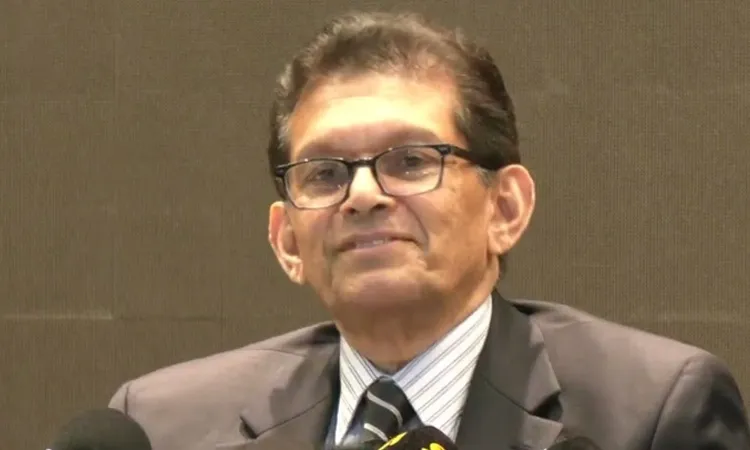
  • Rohingya Community Welcomes Dr. Khalilur Rahman’s Candidacy for Presidency of the 81st United Nations General Assembly – Rohingya Khobor

    Rohingya Community Welcomes Dr. Khalilur Rahman’s Candidacy for Presidency of the 81st United Nations General Assembly – Rohingya Khobor


    By Ro Maung Shwe

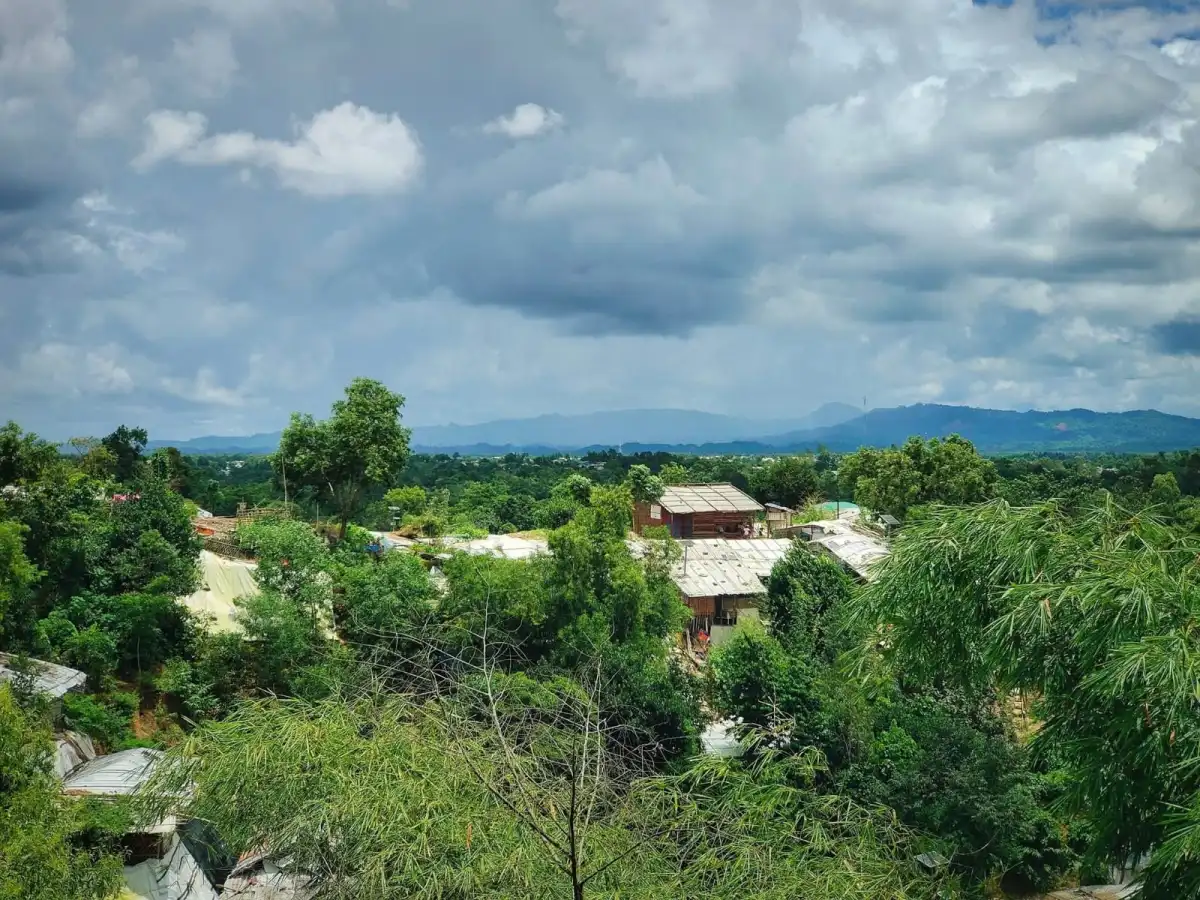
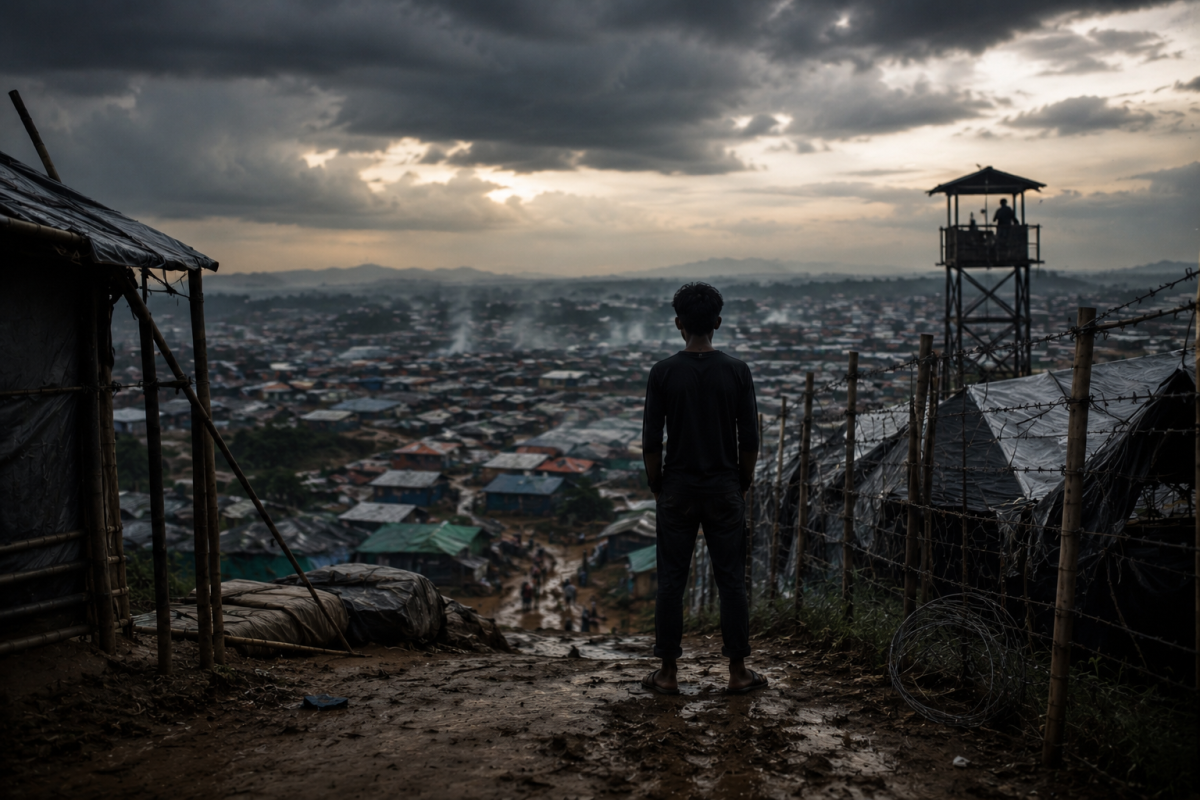
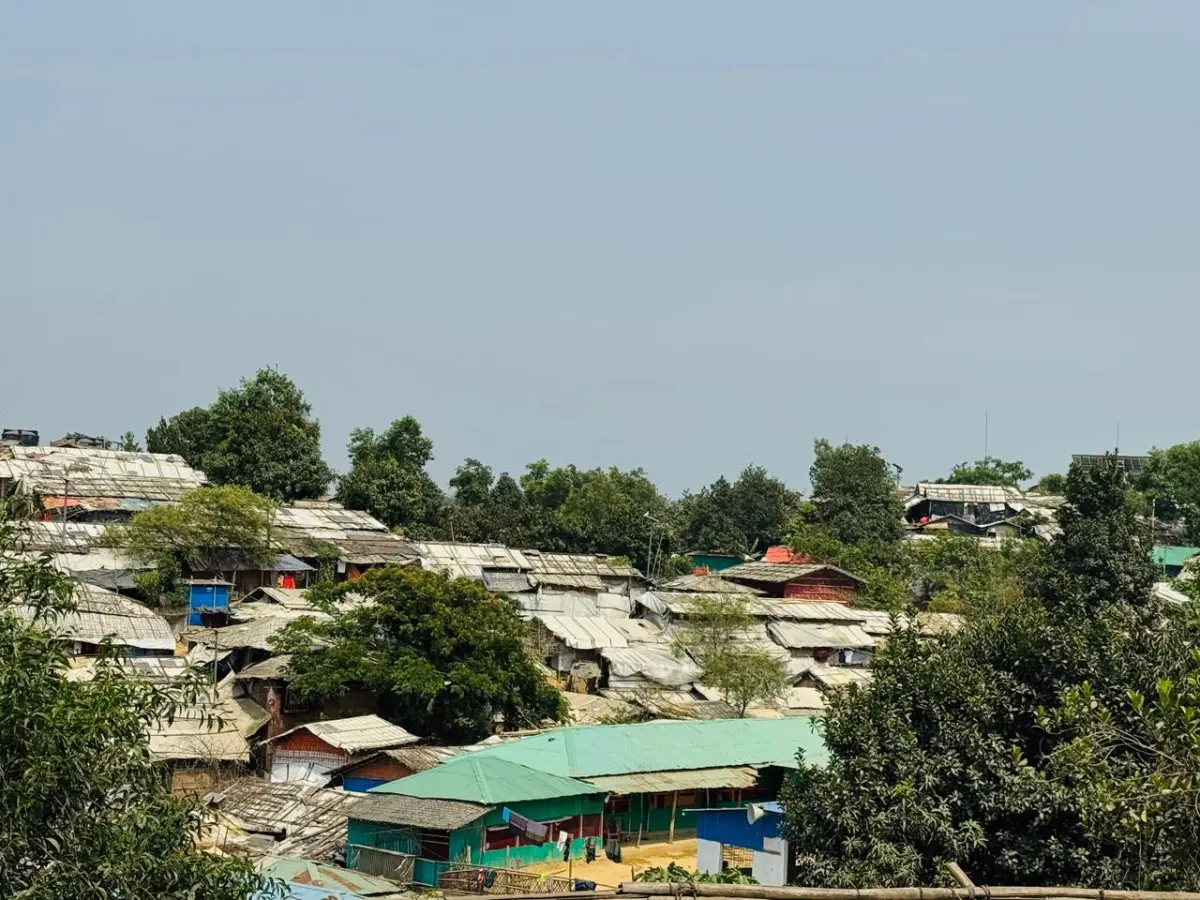
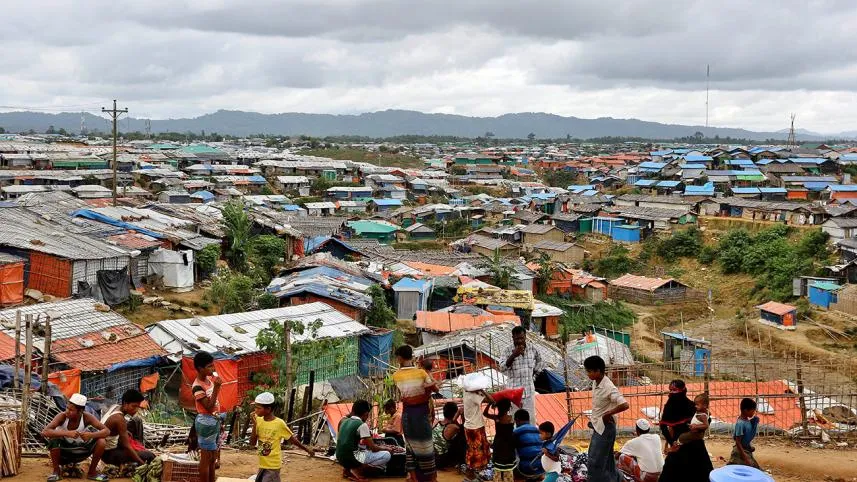
    Inside the Rohingya refugee camps of Cox’s Bazar, conversations about international diplomacy often feel distant from daily life. Families continue navigating overcrowded shelters, declining humanitarian assistance, restricted movement, and years of uncertainty about the future. Yet certain international developments still resonate deeply across the camps, especially when refugees believe those moments may influence global attention toward their long unresolved crisis.

    The candidacy of Dr. Khalilur Rahman for the Presidency of the 81st Session of the United Nations General Assembly has become one such moment.

    Across Rohingya communities, among humanitarian observers, and within advocacy circles, his possible election is being viewed with cautious hope. Many believe that his leadership in one of the United Nations’ most significant diplomatic positions could help renew international attention toward the Rohingya crisis, accountability efforts, and the broader question of justice for displaced Rohingya communities.

    A Diplomat Familiar With the Rohingya Crisis

    Currently serving as Foreign Minister of Bangladesh, Dr. Khalilur Rahman is widely recognized as an experienced diplomat and policymaker with long involvement in humanitarian affairs, multilateral diplomacy, and international negotiations.

    Over the years, he has represented Bangladesh in various international diplomatic engagements involving peacebuilding, refugee protection, climate diplomacy, regional stability, and global cooperation. His work within multilateral institutions and international platforms has earned him recognition both nationally and internationally.

    For many Rohingya refugees, however, his candidacy carries significance for a more specific reason: his direct involvement with the Rohingya issue itself.

    Before assuming his current ministerial role, Dr. Khalilur Rahman served as High Representative on the Rohingya Issue for the Chief Adviser of Bangladesh. In that position, he became closely associated with diplomatic discussions surrounding repatriation, humanitarian responsibility-sharing, accountability, and international engagement regarding the Rohingya crisis.

    During this period, he repeatedly emphasized that any long-term solution must involve safe, voluntary, dignified, and sustainable repatriation alongside meaningful international responsibility.

    A Crisis Losing Global Attention

    Since the mass displacement of Rohingya refugees from Myanmar in 2017, more than one million Rohingya have continued living in camps across Bangladesh under difficult humanitarian conditions.

    While the crisis initially received intense global attention, many refugees and observers now fear that international focus has gradually weakened over time. Funding shortages, competing global conflicts, and diplomatic fatigue have increasingly shaped discussions surrounding the Rohingya situation.

    Inside the camps, this decline in international attention is felt directly through reduced food assistance, limited educational opportunities, and growing uncertainty about the future.

    Against this backdrop, many Rohingya refugees see Dr. Khalilur Rahman’s candidacy as symbolically important because they believe his leadership at the United Nations General Assembly could help reintroduce the Rohingya issue into higher levels of international discussion.

    For communities that often feel politically invisible, representation within influential global institutions carries emotional and political significance.

    Hope Among Rohingya Youth and Activists

    Several Rohingya youth activists and community representatives have expressed positive reactions regarding the candidacy, viewing it as a potential opportunity for stronger international advocacy surrounding Rohingya rights and protection.

    Many believe that Dr. Khalilur Rahman’s diplomatic background and familiarity with the crisis could contribute to renewed global discussions concerning accountability, refugee protection, and sustainable repatriation.

    Among younger Rohingya generations, there is also a growing awareness that international attention matters not only symbolically but materially. Diplomatic visibility often shapes humanitarian funding, legal advocacy, political pressure, and the willingness of global institutions to remain engaged.

    For this reason, developments within international diplomacy are closely followed inside the camps despite the physical distance separating refugees from those decision-making spaces.

    A Broader Symbol Beyond Bangladesh

    Observers and humanitarian advocates note that Dr. Khalilur Rahman’s candidacy extends beyond bilateral politics between Bangladesh and Myanmar.

    His diplomatic experience in humanitarian affairs, conflict-related displacement, and international negotiation is viewed by supporters as particularly relevant at a time when global refugee crises continue expanding across multiple regions.

    Some observers believe his leadership at the United Nations General Assembly could strengthen broader international conversations surrounding stateless populations, forced displacement, peacebuilding, and multilateral cooperation.

    Within the Rohingya context specifically, many refugees interpret the candidacy not simply as a diplomatic development for Bangladesh, but as a symbolic moment connected to marginalized communities seeking international recognition and protection.

    For stateless populations, representation inside influential global institutions often carries meaning beyond formal policy outcomes. It reflects whether their suffering remains visible within international political consciousness.

    The Continuing Question of Repatriation

    Despite renewed optimism surrounding diplomatic engagement, the fundamental challenges surrounding Rohingya repatriation remain unresolved.

    Large areas of Rakhine State continue experiencing instability and armed conflict involving Myanmar’s military authorities and the Arakan Army. Questions surrounding citizenship rights, security guarantees, freedom of movement, and political representation remain deeply uncertain.

    Human rights organizations and Rohingya advocates have consistently emphasized that repatriation cannot be sustainable unless refugees receive internationally recognized protections, including citizenship recognition, safety, and basic rights.

    Many Rohingya refugees therefore continue viewing diplomacy through both hope and caution. They have witnessed previous negotiations stall and earlier repatriation discussions fail to produce lasting solutions.

    Still, the possibility of stronger international engagement continues to matter deeply for communities living through prolonged displacement.

    A Leadership Role Watched Closely by Refugees

    For many Rohingya refugees, Dr. Khalilur Rahman’s candidacy represents more than an institutional election within the United Nations system.

    It represents the possibility that someone familiar with the humanitarian realities of the Rohingya crisis could occupy a globally influential diplomatic position at a time when many refugees fear their suffering is gradually disappearing from international attention.

    Inside the camps, where daily life is often defined by uncertainty and waiting, even symbolic moments can carry significant emotional weight.

    Many refugees remain hopeful that renewed diplomatic visibility, stronger international cooperation, and sustained political engagement could eventually contribute to meaningful progress toward justice, accountability, and safe return.

    Whether those hopes materialize remains uncertain.

    But for now, among many Rohingya communities, Dr. Khalilur Rahman’s candidacy is being viewed not simply as a diplomatic event, but as a moment that briefly reconnects the Rohingya struggle to the center of global political discussion.
    Source link

  • UN Appeals for $710 Million to Support Rohingya Refugees in Bangladesh – Rohingya Khobor

    UN Appeals for $710 Million to Support Rohingya Refugees in Bangladesh – Rohingya Khobor


    by Hafizur Rahman

    Dhaka | May 21, 2026

    The United Nations and its humanitarian partners have appealed for $710.5 million to support Rohingya refugees living in Cox’s Bazar and Bhasan Char, as well as nearby host communities affected by the ongoing refugee crisis.

    The appeal was announced during the launch of the 2026 Joint Response Plan in Dhaka on Tuesday.

    According to the United Nations, around 1.2 million Rohingya refugees are currently living in Bangladesh nearly a decade after fleeing violence and persecution in Myanmar.

    UN officials said the humanitarian situation has become more difficult as conflict in Arakan State continues. Since early 2024, around 150,000 additional Rohingya refugees have reportedly arrived in Bangladesh, increasing pressure on humanitarian services and resources.

    The 2026 Joint Response Plan aims to support nearly 1.56 million people, including both Rohingya refugees and host communities.

    According to the UN, the requested funding will help provide food assistance, shelter, healthcare, education, clean water, sanitation services, and livelihood support.

    Kelly T. Clements said helping refugees build skills and resilience remains important while safe return to Myanmar remains impossible.

    “Until the Rohingyas can return home safely and rebuild their communities, we must continue to provide safety, care, and dignity where they are,” she said.

    The United Nations also warned that Rohingya refugees remain heavily dependent on humanitarian aid because of limited livelihood opportunities and growing funding shortages.

    Rania Dagash-Kamara praised Bangladesh for continuing to host Rohingya refugees and thanked international donors for supporting the humanitarian response.

    UN officials further warned that women and girls in the camps continue to face increasing risks and hardships as humanitarian funding declines.

    The United Nations High Commissioner for Refugees stated that hopes for a quick return to Myanmar are fading because of ongoing violence in Arakan State. As conditions continue deteriorating, some Rohingya refugees are attempting dangerous sea journeys in search of safety and better opportunities.

    According to the UN, the international community has provided more than $5 billion in humanitarian assistance for the Rohingya response in Bangladesh since 2017, with the United States remaining the largest donor.


    Source link

  • Rohingya Refugees in Pekanbaru Say They Are Living Without Basic Support – Rohingya Khobor

    Rohingya Refugees in Pekanbaru Say They Are Living Without Basic Support – Rohingya Khobor


    by Hafizur Rahman

    Pekanbaru, Indonesia | May 20, 2026

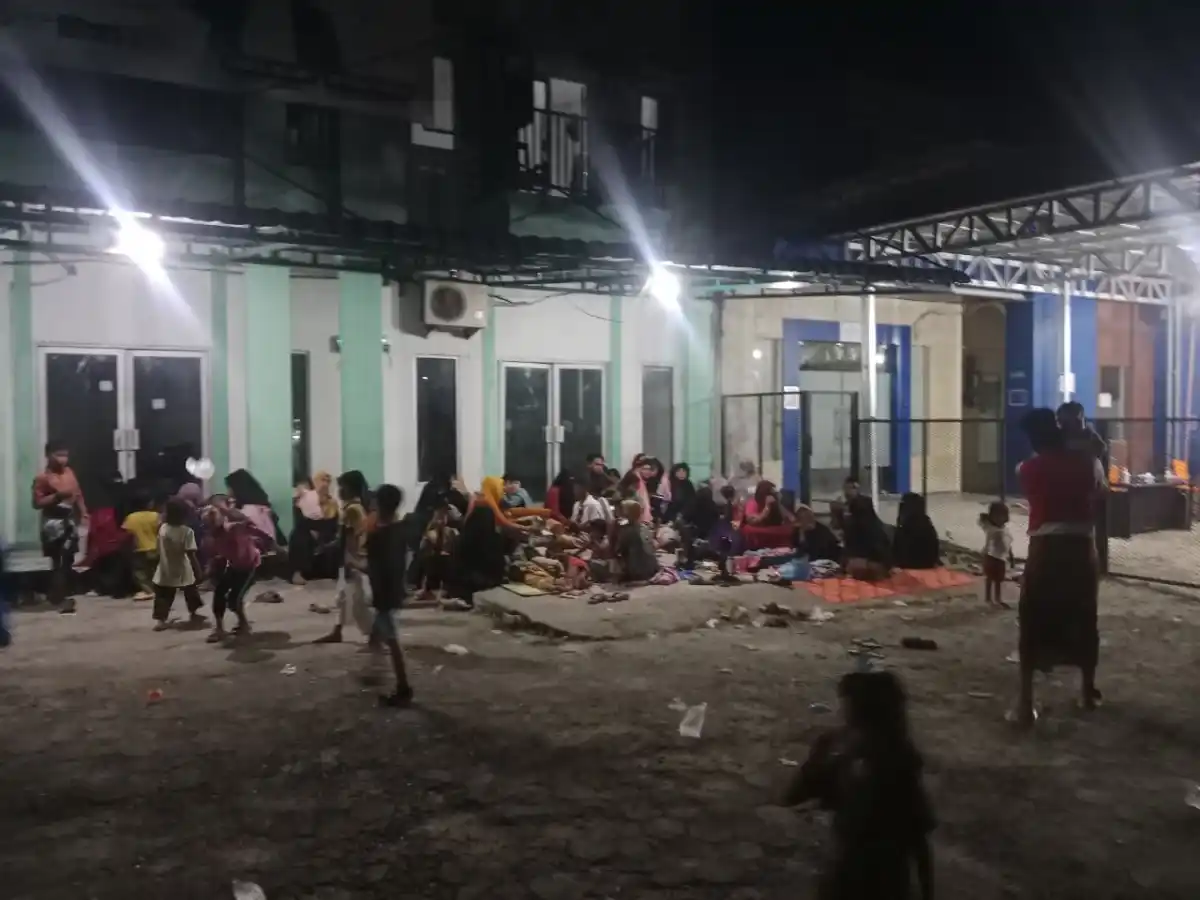
    Hundreds of Rohingya refugees living in Pekanbaru, Riau Province, Indonesia, say they are facing a worsening humanitarian crisis as many families continue to survive without proper shelter, food support, healthcare, or education assistance.

    According to Rohingya community members, several refugees recently gathered in front of an office linked to the International Organization for Migration in Pekanbaru to raise awareness about their living conditions and demand equal humanitarian support.

    Community members said many Rohingya refugees who arrived in Indonesia after 2018 are no longer receiving accommodation or financial assistance. As a result, hundreds of families are reportedly living in makeshift camps or small rented houses without stable support.

    “We escaped genocide and persecution hoping to find safety,” one Rohingya refugee in Pekanbaru told Rohingya Khobor. “But now many of us are homeless and struggling for basic human needs. We only want to live with dignity like other refugees.”

    According to estimates shared by Rohingya community members, more than 1,300 Rohingya refugees are currently living in Pekanbaru. Among them, over 600 people are staying in temporary makeshift camps, while more than 700 others are living independently in rented homes.

    Many refugees said their conditions worsened after international funding cuts affected humanitarian operations in Indonesia. Refugees explained that those who arrived before 2018 continue receiving support through earlier assistance programmes, while most people arriving after 2018 remain without regular aid.

    “Families, women, children, and elderly people are suffering every day,” another refugee said. “Some children cannot continue education, and many families cannot afford food, medicine, or rent.”

    Refugees in Pekanbaru also described differences in treatment between regions in Indonesia. According to several community members, Rohingya refugees in Aceh face stricter movement restrictions because local authorities closely monitor refugee arrivals by sea. In Pekanbaru, however, refugees said they can move more freely despite continuing struggles to survive without organized humanitarian assistance.

    Despite the hardships, Rohingya refugees expressed gratitude toward Indonesian communities for showing kindness and compassion.

    “The people of Indonesia have shown humanity to us,” one refugee said. “Many local people respect us and help us when they can. We are thankful for their kindness during our difficult lives.”

    The refugees called on humanitarian organizations, international agencies, and human rights groups to pay greater attention to their conditions and provide equal humanitarian support to Rohingya communities living in Indonesia.

    “We are not asking for luxury,” another refugee said. “We only want safety, shelter, food, education for our children, and the chance to live as human beings.”


    Source link

  • HRW Accuses Arakan Army of Rohingya Massacre in Hoyyar Siri as Survivors Still Await Justice – Rohingya Khobor

    HRW Accuses Arakan Army of Rohingya Massacre in Hoyyar Siri as Survivors Still Await Justice – Rohingya Khobor


    by Hafizur Rahman and Ro Maung Shwe

    May 19, 2026

    A new report by Human Rights Watch has accused the Arakan Army of carrying out a massacre against Rohingya civilians in Hoyyar Siri village in Buthidaung Township, northern Arakan State, during violence in May 2024, while survivors and rights groups say justice remains absent two years later.

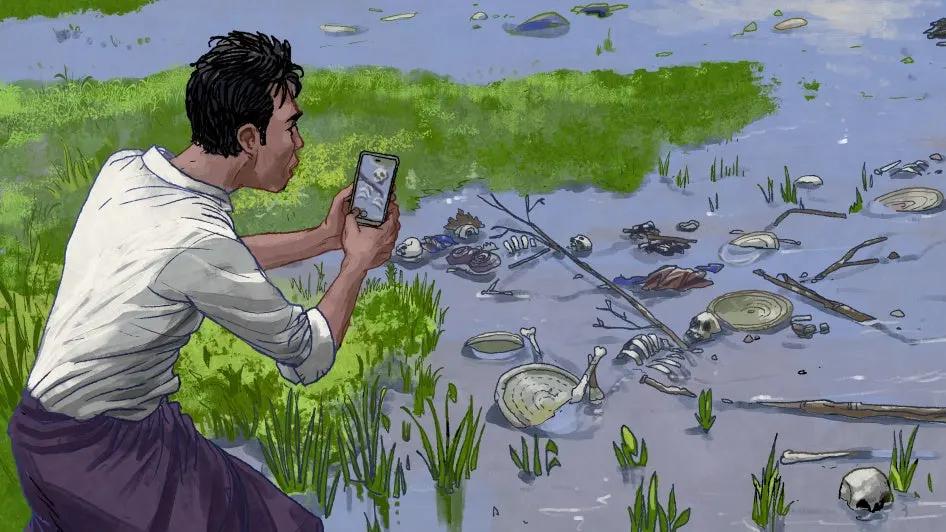
    The 56-page report, titled “Skeletons and Skulls Scattered Everywhere: Arakan Army Massacre of Rohingya Muslims in Hoyyar Siri, Myanmar,” alleges that at least 170 Rohingya civilians were killed or remain missing during attacks on May 2, 2024. According to the organization, the actual death toll is believed to be significantly higher and includes around 90 children.

    Human Rights Watch stated that the attack occurred during fighting between the Myanmar Junta and the Arakan Army near Buthidaung Township. The report said many Rohingya villagers were attempting to flee the violence when Arakan Army fighters allegedly opened fire on civilians near roads and surrounding areas outside the village.

    The organization said its investigation was based on interviews with survivors and witnesses, satellite imagery, photographs, forensic analysis, and verified videos collected from the area.

    According to the report, skeletal remains and human skulls were later found scattered across roadsides, fields, and water-filled ditches around Hoyyar Siri village.

    Survivors described scenes of panic as families tried to escape. Some villagers reportedly waved white flags while fleeing in an effort to show they were civilians, but gunfire allegedly continued.

    One survivor said his wife and children were shot while trying to escape. Another woman told investigators that villagers had gathered near a mosque before fighters suddenly opened fire on the crowd.

    A separate investigation by Fortify Rights also documented testimonies from survivors who alleged that Arakan Army fighters opened fire on large groups of Rohingya civilians attempting to flee the conflict zone.

    In one testimony documented by Fortify Rights, a survivor identified as Rashid Ahmed said civilians became trapped between armed positions before hearing an order allegedly instructing fighters to “kill them all.” He said many civilians, including members of his own family, were shot moments later.

    Human Rights Watch also reported that Hoyyar Siri village was later burned down. Satellite images and photographs reviewed by investigators reportedly showed destroyed homes and human remains scattered across different parts of the village.

    Several survivors accused fighters of stealing money and jewelry from villagers. Former detainees also reported torture and abuse during detention, while some witnesses claimed Rohingya women and girls were abducted during the violence.

    According to Human Rights Watch, surviving villagers were later moved to a nearby camp under restrictions. Rohingya who later fled to Bangladesh said they faced shortages of food and medicine, forced labor, and severe restrictions on movement.

    The Arakan Army denied responsibility for the massacre and said its fighters targeted only military forces and armed groups.

    Following publication of the report, the Arakan Rohingya National Council welcomed the findings and said the report confirmed long-standing allegations made by Rohingya survivors and activists regarding abuses against Rohingya civilians in Arakan State.

    In a statement issued on May 19, ARNC said the Hoyyar Siri massacre was not an isolated incident but part of what it described as a broader campaign of persecution, forced displacement, violence, and terror against Rohingya communities.

    The organization warned that continued international silence and inaction could lead to what it called the “final genocide” of the remaining Rohingya population in Arakan.

    ARNC also expressed condolences to Rohingya civilians who were killed, disappeared, detained, tortured, forcibly recruited, displaced, or forced to flee during the conflict. The group claimed that many Rohingya communities across Arakan continue to face starvation, movement restrictions, siege conditions, and systematic violence.

    The organization called on the United Nations, ASEAN, the Organization of Islamic Cooperation, the European Union, the United States, the United Kingdom, Canada, and other international actors to take urgent action to protect Rohingya civilians.

    ARNC demanded unrestricted humanitarian access, independent international investigations, accountability for perpetrators, and targeted sanctions against individuals credibly implicated in abuses against Rohingya civilians.

    The group also stressed that conditions do not currently exist for the safe, voluntary, dignified, and sustainable return of Rohingya refugees to Arakan while violence and persecution continue.

    Human Rights Watch similarly warned that conditions in Arakan State remain unsafe for Rohingya civilians and refugees hoping to return home in the future.

    Meanwhile, a Rohingya man currently inside Arakan who said he directly witnessed the Hoyyar Siri massacre told Rohingya Khobor that many survivors continue to live in fear, displacement, hunger, and uncertainty.

    “People are still traumatized by the killings,” he said. “Many families fear that violence can happen again at any time.”


    Source link

  • Pregnant Rohingya Women Reportedly Forced to Clean Fish in Buthidaung – Rohingya Khobor

    Pregnant Rohingya Women Reportedly Forced to Clean Fish in Buthidaung – Rohingya Khobor


    by Hafizur Rahman

    Buthidaung, Rakhine State | May 17, 2026

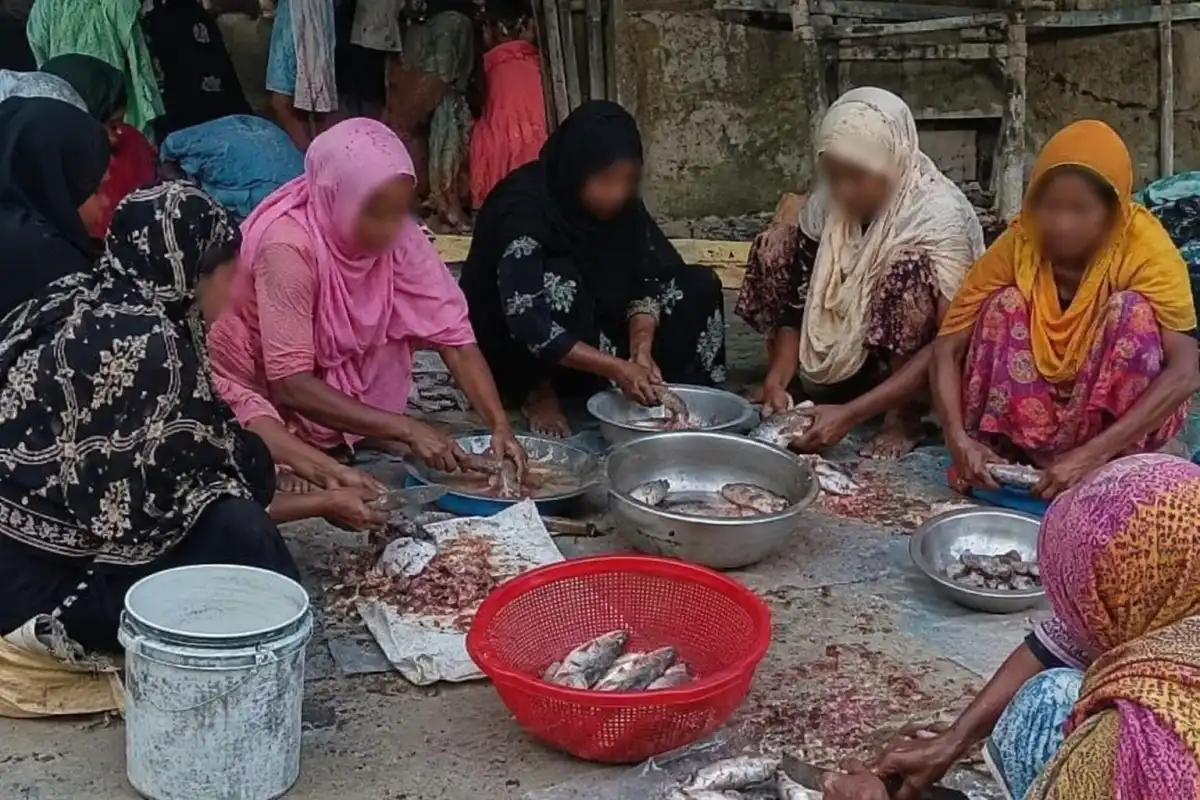
    Pregnant Rohingya women were reportedly taken by the Arakan Army to perform fish-cleaning work in Buthidaung Township on May 15, raising concern among local residents over the treatment of vulnerable civilians.

    According to local sources, the women were taken to Kenothi village, where they were reportedly forced to clean fish for several hours.

    Residents said at least ten pregnant Rohingya women were involved in the work. However, several people from the area claimed the actual number may have been significantly higher.

    “One group confirmed ten women, but many villagers are saying there were more than 50 women taken for this work,” a local resident told Rohingya Khobor.

    Another source said the women were made to work for long hours despite concerns over their physical condition.

    “People are worried because some of them are pregnant and physically weak,” the source said.

    Residents expressed concern over the condition of the women and said vulnerable civilians should not be subjected to difficult labor.

    Independent verification of the higher reported number has not yet been possible.


    Source link

  • Bangladesh Intensifies Diplomatic Push for Rohingya Repatriation Through OIC Engagement – Rohingya Khobor

    Bangladesh Intensifies Diplomatic Push for Rohingya Repatriation Through OIC Engagement – Rohingya Khobor


    by Ro Maung Shwe

    Inside the refugee camps of Cox’s Bazar, discussions about repatriation never fully disappear. They return whenever political leaders speak publicly, whenever diplomatic meetings take place, and whenever rumors begin circulating through the narrow pathways between shelters. For many Rohingya families who have spent years in displacement, the possibility of return remains distant but emotionally central, tied not only to politics but to memory, identity, and the hope of reclaiming a life interrupted by violence.

    This week, those conversations intensified again after Bangladesh renewed its diplomatic engagement on the Rohingya crisis through discussions with member states of the Organisation of Islamic Cooperation, known as the OIC.

    According to reports published by The Daily Star, Dhaka Tribune, and other national media outlets, Prime Minister Tarique Rahman called on OIC member countries to strengthen collective international efforts toward achieving a sustainable solution to the prolonged Rohingya displacement crisis.

    The remarks were delivered during a meeting with ambassadors and high commissioners of OIC member states stationed in Dhaka. During the discussions, the Prime Minister emphasized the importance of stronger international cooperation to ensure the safe, voluntary, dignified, and sustainable repatriation of Rohingya refugees to Myanmar.

    A Crisis That Continues to Reshape Bangladesh

    Bangladesh currently hosts more than one million forcibly displaced Rohingya refugees, most of whom remain concentrated in camps across Cox’s Bazar after fleeing systematic violence and persecution in Myanmar’s Rakhine State over several years.

    What initially emerged as an emergency humanitarian response has evolved into one of the world’s most prolonged refugee crises. The scale of displacement continues to affect Bangladesh economically, socially, environmentally, and in terms of regional security.

    For authorities in Bangladesh, the issue is increasingly framed not only as a humanitarian responsibility, but also as a long-term political and diplomatic challenge requiring sustained international engagement.

    During the meeting with OIC representatives, Prime Minister Tarique Rahman reportedly emphasized that the Rohingya crisis extends beyond Bangladesh itself and requires coordinated international action. He also acknowledged the humanitarian and diplomatic support previously provided by OIC member states and urged continued involvement from the Muslim world in efforts toward resolving the crisis peacefully.

    Renewed Political Attention Around Repatriation

    The diplomatic discussions come at a moment when public and political attention surrounding repatriation has grown more visible inside Bangladesh.

    Earlier this month, Cox’s Bazar Ukhiya-Teknaf lawmaker Shajahan Chowdhury publicly addressed the Rohingya issue and reiterated that repatriation remains a national priority. Referring to previous repatriation efforts carried out through bilateral negotiations between Bangladesh and Myanmar, his remarks drew attention among both local residents and Rohingya refugees.

    Within the camps, such statements are closely monitored. Refugees often interpret political language carefully, searching for signs of whether diplomatic momentum may eventually translate into practical movement toward return.

    For many displaced families, repatriation discussions are deeply tied to history. Some older refugees continue to recall earlier return processes that took place in 1978 and 1992 during periods of BNP leadership in Bangladesh. Those historical memories remain significant because they represent rare moments when large numbers of Rohingya were able to return through bilateral arrangements and international engagement.

    Although the political and regional context today is far more complex, these memories continue to shape expectations inside the camps.

    Diplomatic Signals from Cox’s Bazar

    The renewed emphasis on repatriation has also been reinforced through statements from Bangladesh’s foreign ministry.

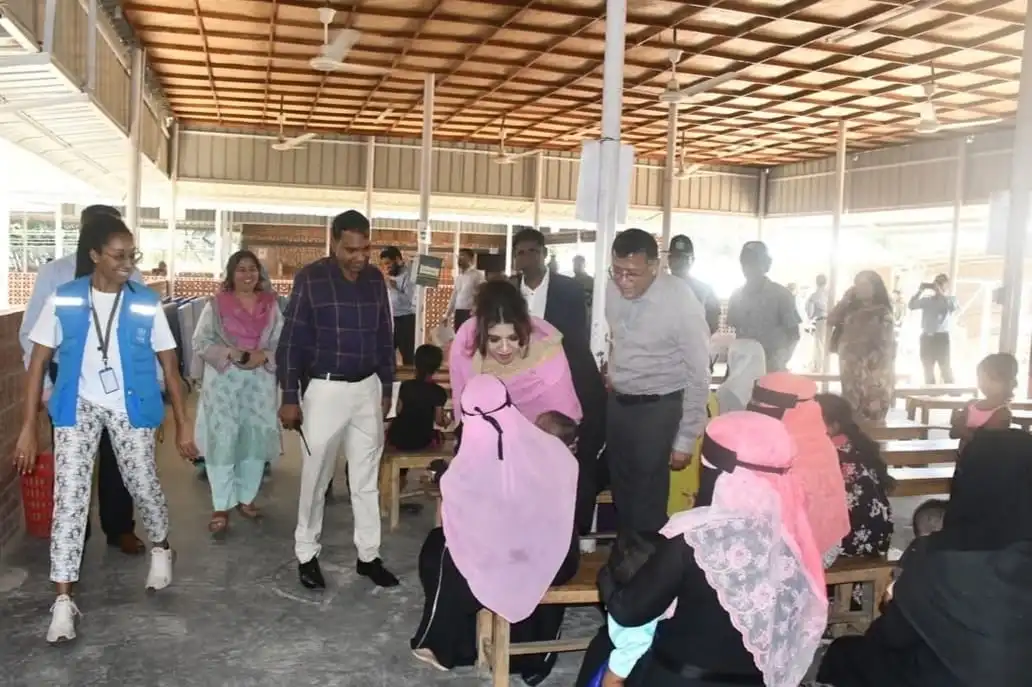
    Earlier this month, State Minister for Foreign Affairs Shama Obaed Islam visited Rohingya camps in Cox’s Bazar, where she met with humanitarian agencies, local authorities, and camp representatives. During the visit, she reaffirmed Bangladesh’s official position that international cooperation remains essential for creating conditions that would allow Rohingya refugees to return safely and voluntarily to Myanmar.

    The State Minister acknowledged the continuing humanitarian burden carried by Bangladesh and emphasized the need for stronger global engagement to address the conditions inside Myanmar itself.

    Her remarks reflected Bangladesh’s longstanding diplomatic position that the root causes of the crisis remain unresolved within Myanmar and that sustainable solutions cannot be achieved solely through humanitarian management inside the camps.

    Hope Mixed with Uncertainty

    Among Rohingya refugees, the recent diplomatic activity has produced cautious optimism rather than certainty.

    Many families remain emotionally attached to the possibility of return, even after years of displacement. For older generations especially, the idea of returning to villages, land, and communities inside Arakan remains central to their understanding of home.

    At the same time, uncertainty surrounding Myanmar’s political and security situation continues to shape refugee perceptions.

    Large areas of Rakhine State remain affected by shifting territorial control and armed conflict involving the Arakan Army and Myanmar’s military authorities. The evolving conflict has complicated questions surrounding governance, security guarantees, citizenship rights, and freedom of movement.

    For many refugees, these unresolved realities create deep hesitation. Return, in their view, cannot simply mean physical relocation. It must involve meaningful guarantees of safety, dignity, and rights.

    The Conditions Refugees Continue to Demand

    Human rights organizations and humanitarian observers have repeatedly emphasized that any future repatriation process must meet internationally recognized standards.

    For Rohingya refugees, the discussion extends beyond returning geographically to Myanmar. Many continue demanding guarantees related to citizenship recognition, security, freedom of movement, legal rights, and protection from future persecution.

    Without these protections, many fear that repatriation could reproduce the same conditions that forced displacement in the first place.

    This concern remains one of the central obstacles to meaningful progress. Diplomatic engagement may continue, but unless conditions inside Myanmar fundamentally change, large-scale voluntary return remains difficult to implement sustainably.

    Bangladesh’s Continuing Diplomatic Strategy

    Bangladesh has consistently maintained that the long-term resolution of the Rohingya crisis lies inside Myanmar itself. Through regional and international platforms, Dhaka has repeatedly called on the United Nations, OIC member states, ASEAN, and major global powers to intensify diplomatic pressure and humanitarian engagement addressing the underlying causes of displacement.

    The latest OIC discussions reflect an attempt to sustain international attention at a time when global humanitarian priorities are increasingly fragmented by multiple crises worldwide.

    For Bangladesh, maintaining diplomatic momentum has become essential not only for humanitarian reasons, but also because the prolonged refugee situation continues to place pressure on local infrastructure, security systems, and host communities.

    Waiting Inside the Camps

    Inside the camps, however, diplomacy often feels distant from daily life.

    Families continue navigating overcrowded shelters, limited opportunities, movement restrictions, and uncertainty about the future. For younger Rohingya generations raised largely in exile, the idea of return is increasingly shaped through stories told by parents and grandparents rather than direct memory.

    Yet despite the uncertainty, the desire for return remains deeply rooted across much of the refugee population.

    The recent diplomatic statements have not changed conditions immediately. But they have once again reopened conversations about whether international cooperation, political negotiation, and sustained pressure could eventually create a realistic pathway back to Myanmar.

    For many Rohingya families, hope now exists alongside caution. They have witnessed previous discussions stall, agreements fail, and promises remain unrealized.

    Still, the possibility of one day returning home with dignity and recognized rights continues to shape how many endure life in displacement.

    As diplomatic engagement intensifies through regional and international platforms, that hope, however fragile, remains alive inside the camps.


    Source link

  • Rohingya Refugee Abducted and Released After Ransom Payment in Cox’s Bazar Camp – Rohingya Khobor

    Rohingya Refugee Abducted and Released After Ransom Payment in Cox’s Bazar Camp – Rohingya Khobor


    by Hafizur Rahman

    Cox’s Bazar, Bangladesh | May 15, 2026

    A Rohingya refugee was reportedly abducted and physically abused before being released following a ransom payment in the refugee camps of Cox’s Bazar, according to family members and local sources.

    The victim, Jafar Alam, 28, is a resident of Camp 14, Block A, and the son of Shirazul Islam.

    According to relatives, he was abducted on May 1 from Thankhali Bazaar by three unidentified men. Local sources said the abductors later took him to Yahyya Garden, locally known as Rabar Bagan, near the TV Tower area, where he was allegedly held for around three days.

    Family members said the kidnappers initially demanded 300,000 Bangladeshi taka for his release.

    Relatives further stated that the family was unable to arrange the full amount and later negotiated with the abductors, who eventually agreed to release him after receiving 130,000 taka.

    After returning home, Jafar Alam was reported to have suffered physical injuries and severe distress following the incident.

    No arrests had been reported as of Friday, and authorities had not publicly identified those responsible.

    Residents in the camps say incidents involving abduction, ransom demands, extortion, and armed criminal activity continue to raise security concerns for Rohingya refugees living in and around the camps.


    Source link

  • Rohingya Refugee Population in Bangladesh Rises as New Arrivals Continue – Rohingya Khobor

    Rohingya Refugee Population in Bangladesh Rises as New Arrivals Continue – Rohingya Khobor


    by Hafizur Rahman

    Cox’s Bazar, Bangladesh | May 14, 2026

    The number of Rohingya refugees registered in camps in Bangladesh has continued to increase, according to the latest report from the United Nations High Commissioner for Refugees.

    UNHCR reported that approximately 149,769 Rohingya refugees were newly registered in Bangladesh between December 2024 and March 31, 2026, reflecting continued displacement linked to conflict and insecurity in Rakhine State.

    According to the report, 2,780 new arrivals were registered in March alone. By the end of February, the cumulative number of new registrations since late 2024 had already reached 146,989.

    UNHCR said the total Rohingya refugee population currently registered in camps in Bangladesh stands at approximately 1,194,123.

    The agency stated that violence, displacement, and instability in Rakhine State have continued to force Rohingya families to flee their homes and seek refuge across the border.

    The report further noted that more than one million Rohingya refugees currently living in Bangladesh arrived after the mass displacement of 2017, while tens of thousands had entered during earlier periods, including the 1990s.

    UNHCR said biometric registration of new arrivals is continuing in the camps as additional families enter Bangladesh.

    Humanitarian agencies have repeatedly warned that ongoing conflict in Rakhine State could lead to further displacement in the coming months.


    Source link

  • Why Gen Z Fell Against the Crown: Rohingya Youth, Power Struggles, and a Crisis of Protection – Rohingya Khobor

    Why Gen Z Fell Against the Crown: Rohingya Youth, Power Struggles, and a Crisis of Protection – Rohingya Khobor


    By Aung Naing Kyaw

    A Generation Growing Up in Displacement

    Inside the Rohingya refugee camps of Cox’s Bazar, a new political language is beginning to emerge. It is being shaped not by formal leaders or established community structures, but by a younger generation raised in displacement, connected through smartphones, social media, and constant exposure to global conversations about rights, justice, and accountability.

    For years, the Rohingya community has lived under conditions defined by uncertainty. More than one million refugees remain displaced in Bangladesh after fleeing systematic violence in Myanmar, violence that multiple international institutions have described as genocide. While humanitarian assistance has helped sustain daily survival, deeper questions surrounding representation, leadership, and political direction inside the camps have remained unresolved.

    Over time, these unresolved tensions have created an environment where authority is often informal, fragmented, and contested. Leadership structures operate without clear democratic legitimacy, and many ordinary refugees feel disconnected from the decisions that shape their daily lives.

    It is within this environment that the Rohingya Gen-Z movement has emerged.

    The Rise of Rohingya Gen Z

    Rohingya Gen Z refers to a younger generation of refugees increasingly connected to digital spaces and international human rights discourse. Unlike earlier generations shaped primarily by survival and displacement, many young Rohingya are now publicly questioning internal power structures, demanding accountability, and discussing governance in ways rarely seen before inside the camps.

    On April 23, 2026, a group identifying itself as “Rohingya Gen-Z” released a public statement calling for peaceful online protest and collective action. The statement emphasized non-violence while rejecting intimidation and suppression.

    One line from the statement quickly spread across social media platforms:

    “If one voice is silenced, a hundred will rise. If a hundred are pushed back, a thousand will step forward.”

    For many Rohingya youth, the statement symbolized a transition from silent endurance toward active civic engagement.

    What began as scattered online frustration soon developed into a broader movement centered around justice, reform, and community accountability.

    The Death That Changed the Conversation

    The movement gained momentum following the death of Mohammad Ullah, a young Rohingya refugee known among peers for his social media activity and community engagement.

    According to reports and testimonies circulating among activists, Mohammad Ullah had sought protection from the UN refugee agency in Cox’s Bazar in November 2025. He reportedly did not seek resettlement or material support. Instead, he requested protection after receiving threats linked to a social media post.

    Documents and testimonies shared within activist circles claim that he reported intimidation, pressure to remove online content, and fears for his personal safety and the safety of his family. He also reportedly documented call records and messages connected to the threats.

    There is no public indication that effective protection measures were implemented following his request.

    Five months later, in April 2026, Mohammad Ullah was among approximately 250 refugees reported missing after a boat traveling from Teknaf toward Malaysia capsized in the Andaman Sea. International media outlets, including the Associated Press and Reuters, reported that the vessel sank due to overcrowding and severe sea conditions.

    Only a small number of passengers survived.

    For many Rohingya youth, the timeline surrounding his death transformed the tragedy into something larger than another maritime disaster.

    A Crisis Beyond Trafficking

    Sea journeys involving Rohingya refugees are often explained through familiar narratives. Traffickers exploit desperation, refugees seek opportunity, and overcrowded boats end in tragedy.

    While these explanations remain valid, many young activists argue they do not fully explain why people continue to leave despite knowing the risks.

    In Mohammad Ullah’s case, the issue became more complicated because he had reportedly already sought protection through formal humanitarian channels before deciding to flee.

    For Gen-Z activists, this raised a deeper question: what happens when people who report threats and seek protection still feel unsafe enough to risk death at sea?

    Inside the camps, insecurity is shaped not only by economic hardship and movement restrictions, but also by localized power structures that influence fear, social pressure, and daily life.

    Many activists argue that these realities are often insufficiently addressed within broader humanitarian discussions.

    Power, Influence, and Informal Authority

    As the movement expanded, attention increasingly focused on organizations and informal authority systems operating inside the camps.

    Youth activists raised concerns about the Rohingya Committee for Peace and Repatriation, known as RCPR, describing it as an influential umbrella structure with significant social and political influence at camp level.

    According to concerns circulating within activist networks, some individuals linked to such structures allegedly pressure dissenting voices and shape public narratives through online influence and camp-level authority systems.

    Some community members also claim that leaders associated with the organization present themselves as having close relationships with Bangladeshi authorities. However, there is no publicly available evidence confirming official government backing for the organization.

    These remain allegations raised by sections of the community and require independent verification.

    Still, the discussion surrounding these structures reflects a broader crisis of trust emerging inside the camps.

    Leadership Without Accountability

    At the center of the debate lies a difficult question: who legitimately represents the Rohingya community?

    For many Gen-Z activists, leadership cannot simply emerge through informal influence, fear, or patronage networks. They argue that legitimacy must come through transparency, accountability, ethical conduct, and community trust.

    Many young activists are particularly critical of systems where unelected figures accumulate significant influence without clear oversight.

    This frustration has deepened in recent months due to concerns surrounding camp-level governance, allegations of intimidation, and perceptions that ordinary refugees have limited ability to challenge authority structures.

    Digital platforms have amplified these tensions. Social media now allows young Rohingya to publicly question leaders, circulate testimonies, and organize collectively in ways that were previously difficult.

    The result is a rapidly changing political atmosphere inside the refugee community.

    A New Political Language

    What distinguishes the Rohingya Gen-Z movement is not only its demands, but also its framing.

    Activists consistently speak through the language of rights, accountability, justice, civic responsibility, and institutional reform. Their discourse reflects growing exposure to global political movements and human rights narratives.

    Many no longer frame survival as the only goal. They increasingly speak about dignity, representation, and the right to question power.

    Their demands include protection for vulnerable individuals, prevention of intimidation, transparent investigation into abuses, and reform of leadership systems within the camps.

    Underlying these demands is a broader frustration with what activists describe as a gap between formal humanitarian protection systems and the lived realities experienced by refugees themselves.

    Protection and the Limits of Humanitarian Systems

    The death of Mohammad Ullah has become central to this conversation because it exposed what many perceive as a structural weakness within the protection system.

    Humanitarian agencies have long identified the major drivers behind dangerous migration by sea: restricted movement, lack of livelihood opportunities, declining aid, and the absence of long-term solutions.

    But Gen-Z activists argue that another factor must also be confronted directly: the feeling among some refugees that internal insecurity and localized pressures can become unbearable without meaningful protection mechanisms.

    In such circumstances, dangerous migration is no longer viewed simply as economic desperation. It becomes linked to personal safety and fear.

    This distinction is important because it shifts attention from trafficking networks alone toward the broader environment inside the camps themselves.

    A Generation Refusing Silence

    The Rohingya Gen-Z movement remains controversial, fragmented, and still evolving. Serious allegations circulating within the movement require careful investigation and evidence-based examination.

    At the same time, the movement represents something undeniably significant: a younger generation refusing to remain politically silent.

    For years, displacement forced much of the Rohingya community into survival mode. Today, many young people are attempting to redefine what accountability and representation should look like within exile.

    Whether the movement ultimately produces institutional reform remains uncertain. Its long-term credibility will depend on its ability to balance strong advocacy with factual rigor, careful documentation, and non-violent engagement.

    But one reality is already visible.

    A generation raised inside camps, surrounded by uncertainty and restricted futures, is beginning to openly question who holds power, how that power operates, and why protection systems continue to leave many feeling unprotected.

    The death of Mohammad Ullah intensified those questions. The rise of Gen-Z activism ensured they would no longer remain private.


    Source link

  • Witnessing the Rohingya Genocide: A Field Diary from Cox’s Bazar – Rohingya Khobor

    Witnessing the Rohingya Genocide: A Field Diary from Cox’s Bazar – Rohingya Khobor


    (Series III): Story of a Relentless Refugee: The Testimony of Mohammad Hashim

    Editor’s Note

    This is the third installment of Rohingya Khobor’s monthly series based on field experiences from the Rohingya camps. The author is a humanitarian worker with a background in law who has been involved in the Rohingya response since 2017, particularly in gender-based violence work.

    In this installment, the author documents the testimony of a Rohingya survivor who fled Myanmar during the 2017 genocide and now lives in the camps of Ukhia. Through memories of loss, displacement, fear, and survival, the testimony reflects both the long-term impact of genocide and the uncertainty shaping Rohingya life in displacement.

    The series documents lived realities from the ground, focusing on testimony, survival, and the conditions shaping everyday life in displacement.

    by Luthfunnahar Shancyi

    The third part of Witnessing the Rohingya Genocide centers on the testimony of Mohammad Hashim, a pseudonym used for security reasons. Hashim is a 48-year-old Rohingya man currently living in one of the camps in Ukhia with his mother, wife, two daughters, and son. He fled Myanmar on September 3, 2017, and sought refuge in Bangladesh.

    Today, Mohammad Hashim works as a teacher at a community learning center and serves as a SASA! Together Community Leader with ActionAid Bangladesh. He is actively involved in raising awareness on gender-based violence prevention and community protection.

    “Sometimes Death Feels Easier Than This Life”

    “Sometimes I feel so desperate that I think it would have been better to die that day at the hands of the Myanmar military than to live every day in fear inside the camp.

    Life here is hopeless, painful, and humiliating in ways I could never have imagined. I cannot remember the last time I slept peacefully for seven or eight hours. The nights in the camp never truly feel safe.

    Children are becoming targets of kidnapping. Young boys are falling into gambling and drugs. The memories of Myanmar haunt me every day. I often ask myself whether this uncertain life will ever end.”

    Maungdaw in Memory: “When We Had Everything”

    “We had an abundant life in Maungdaw, Myanmar. We had a beautiful two-storied house and generations of ancestral land. We were a large family with eleven siblings and our parents.

    I still remember Eid nights. When the moon appeared, our home would fill with celebration. Relatives and neighbors gathered in our yard. Those childhood memories of playing with friends after school now feel like a distant dream.

    Even today, the dust of Maungdaw and its open sky continue to haunt me.

    But despite everything we had, we never truly had rights. We were trapped people living in our own homeland.”

    A Childhood Surrounded by Fear

    “Gradually, the Myanmar military took away every space we had for living.

    Men often fled their homes at night and hid in forests or bushes because military raids could happen at any time. People were routinely forced into unpaid labor. Those who refused because of illness or exhaustion were beaten brutally.

    No one could speak openly.

    Women and girls lived even more restricted lives. Families were afraid to send daughters to school beyond the seventh or eighth grade because of fears of sexual violence and harassment.

    Life itself became confined. Even looking outside through the windows felt like a luxury.”

    The Violence of August 2017

    “What happened on 25 August 2017 was not sudden. It was planned.

    When the military and police attacked our area, many young men, including my cousins, were there. Without warning, they opened fire.

    Three of my cousins were shot in the neck in front of us. After the soldiers left, we tried to give them water. But the water came back out through the bullet wounds in their throats. That sight is something I will never forget.

    The soldiers poured kerosene on homes and burned them. Elderly people and disabled people were attacked on the streets.

    Because the army camp was around three miles from our village, we had a short amount of time to escape. Otherwise, we would have died there as well.

    Many people fleeing from Rathedaung, Buthidaung, and Kyauktaw had to walk for ten or twelve days through mountains and mud before reaching the border. Their exhausted faces carried stories of suffering greater than ours.”

    The Journey to Bangladesh

    “When we decided to flee on September 3, it was around 10 at night. We saw a group of people moving through the darkness and followed them.

    We carried almost nothing with us. Everything remained behind except our land documents.

    My wife, two daughters, son, and elderly mother were with me. My mother held a Quran tightly against her chest. In her other hand, she carried a walking stick as she crossed mountains and muddy paths through the night.

    We did not know where we were going. We only knew that staying behind meant death.

    When I finally saw the Bangladesh border the next morning after walking all night through forests and canals, I felt as if I had been given another life.”

    Speaking the Truth in Myanmar

    “I remember an incident from my teenage years.

    In 1997, a foreign investigator connected to the United Nations came to Myanmar to investigate human rights abuses. I spoke honestly about the torture we faced.

    That same evening, Myanmar intelligence detained me.

    I was interrogated for hours. I cried from fear and was eventually forced to deny everything in order to save myself.

    At that age, I understood that Rohingya people had no space to speak the truth or seek justice in Myanmar.”

    Hashim refused to describe this memory as extraordinary. But his experience reflects the broader system of fear and surveillance imposed on Rohingya communities for decades.

    Building a New Role in Bangladesh

    “I remain grateful to Bangladesh.

    After arriving here, I learned many things that I could never have imagined in Myanmar. Different NGOs gave me opportunities to grow and contribute.

    Now I work as a teacher in the camp and serve as a SASA! Together Community Leader with ActionAid Bangladesh. I work on gender-based violence prevention, intimate partner violence awareness, and community protection.

    These responsibilities have changed me as a person. I now feel able to make people in my community more aware of their rights.”

    Relief as a Father, Fear for the Future

    “As a father, I feel relief that despite many hardships, I was able to marry off my two daughters.

    But I constantly worry about my son’s future.

    The growing insecurity in the camps, drugs, gambling, and the risk of kidnapping create fear for all parents. NGOs alone cannot protect our children. We also need awareness within our own community.

    I still dream that one day we will return to our homeland with safety and dignity. We know how to farm. We know how to survive through our own labor. We do not want to depend on aid forever.

    My final wish is simple: I want to take my last breath in my own land.

    We are still waiting for the day we can return home with honor. Our return matters for the future of our children.

    Will we ever smell that soil again?”

    Confidentiality & Protection: In the interest of personal security and to maintain the survivor’s confidentiality, all identifying details have been protected. “Mohammad Hashim” is a pseudonym used throughout this testimony to protect the individual’s identity.

    Consent & Rights: This testimony was obtained with the survivor’s full and informed consent. All rights related to the use, reproduction, and distribution of this account, in whole or in part, are held exclusively by the writer and the publisher. Unauthorized reproduction or use of this material without written permission is strictly prohibited.

    Luthfunnahar Shancyi is a law graduate and human rights professional. She entered the humanitarian sector during the 2017 Rohingya genocide response, which shaped her work in transitional justice and capacity building. She is also engaged in youth-based community advocacy in Bangladesh, focusing on empowering future human rights defenders.


    Source link