Category: Rohingya

  • UK Reportedly Reviewing Possible Sanctions on Arakan Army and ULA Over Rohingya Abuses – Rohingya Khobor

    UK Reportedly Reviewing Possible Sanctions on Arakan Army and ULA Over Rohingya Abuses – Rohingya Khobor


    by Hafizur Rahman

    May 11, 2026

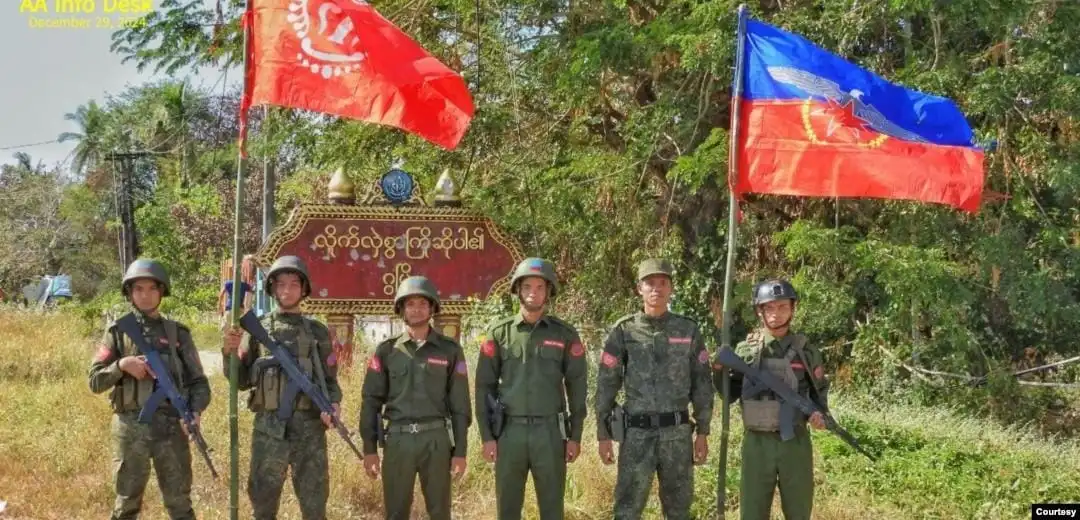
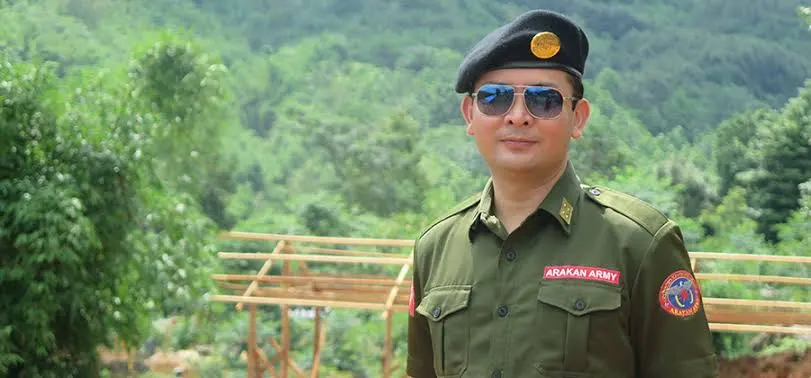
    The United Kingdom is reportedly reviewing possible sanctions against the Arakan Army (AA) and its political wing, the United League of Arakan (ULA), following growing allegations of abuses against Rohingya civilians in Rakhine State.

    The discussions come amid increasing international scrutiny over reported violations linked to the Arakan Army during ongoing conflict in Myanmar. Human rights organizations and monitoring groups have documented allegations including unlawful killings, forced labor, arbitrary detention, extortion, and attacks affecting civilians.

    In February 2026, Burma Campaign UK publicly called on the British government to impose sanctions on the Arakan Army similar to measures previously taken against the Myanmar Junta.

    Since then, reports indicate that discussions within the UK government have expanded regarding whether existing Myanmar sanctions frameworks could also apply to the Arakan Army and ULA leadership.

    Human rights advocates and international investigators have raised concerns about conditions faced by Rohingya communities in areas under Arakan Army influence, including reports of killings, displacement, movement restrictions, forced labor, and coercive practices.

    Advocacy groups have also urged the United Nations Security Council to examine allegations of abuses committed by all parties involved in the conflict.

    The Arakan Army has denied some accusations and has said its operations target security threats and armed opponents rather than civilians.

    No formal sanctions decision has yet been announced by the British government.

    The reported review reflects growing international attention on the conduct of armed actors in Rakhine State as concerns continue over civilian protection and accountability during the conflict.


    Source link

  • A Generation Refuses Silence: Rohingya Gen-Z Movement Expands Global Campaign for Justice and Reform – Rohingya Khobor

    A Generation Refuses Silence: Rohingya Gen-Z Movement Expands Global Campaign for Justice and Reform – Rohingya Khobor


    by A Rohingya Youth

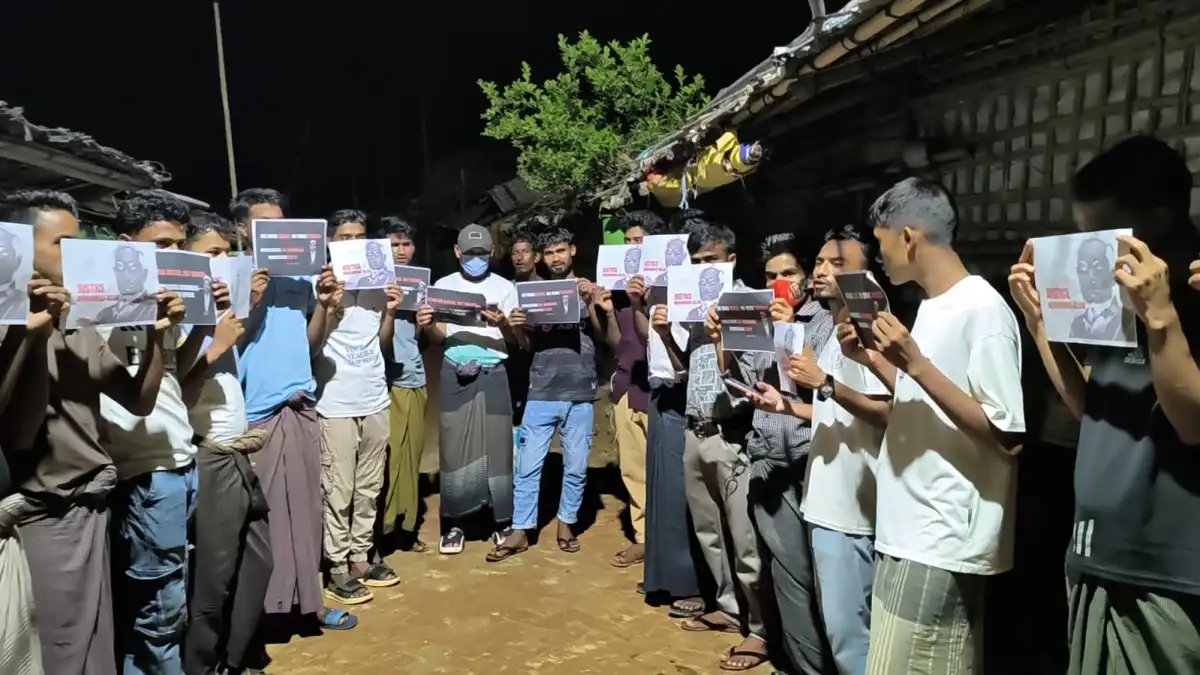
    Late at night inside the refugee camps, the glow of mobile phone screens has become part of a new form of gathering. Young Rohingya men and women, scattered across camps and diaspora communities, sit in cramped shelters or crowded apartments, posting statements, sharing testimonies, and amplifying hashtags that now move rapidly across social media platforms.

    What began as anger over a single death has evolved into something far larger. Across digital spaces and refugee communities, a growing youth-led mobilization known as the Rohingya Gen-Z movement is reshaping how a younger generation speaks about justice, leadership, accountability, and the future of their people.

    For many participants, this is not simply an online campaign. It is the first time they feel able to publicly challenge structures of power that they believe have operated without transparency or accountability for years.

    The Death That Triggered a Movement

    The movement gained momentum in mid-April 2026 following the death of Mohammed Ullah, a young Rohingya man who died during a dangerous sea journey through the Andaman Sea while attempting to reach Malaysia.

    Within Rohingya communities, his death quickly became more than a personal tragedy. Youth activists framed it as a symbol of broader failures involving insecurity inside the camps, lack of protection mechanisms, and fear created by informal power structures.

    Campaign participants argue that Mohammed Ullah did not leave voluntarily in the ordinary sense. According to widely circulated testimonies and social media discussions, he had allegedly faced threats prior to his departure.

    Some activists who conducted their own investigations identified an individual named Edris, described as a resident of Camp 7, Block C, and allegedly associated with the Rohingya Committee for Peace and Repatriation, known as RCPR. Campaign participants further claimed that these actions were connected to the influence of Dil Mohammed, identified as a leader within the organization.

    Audio clips, alleged conversations, testimonies, and videos soon spread rapidly across social media, intensifying public attention around the case.

    These allegations remain unverified and have not been independently confirmed through formal investigation. However, their circulation has significantly shaped the movement’s narrative and public mobilization.

    From Mourning to Mobilization

    In the days following Mohammed Ullah’s death, the campaign expanded with unusual speed. Thousands of Rohingya youth, students, and educated community members across different countries began participating in coordinated online activism.

    Social media became the movement’s central organizing space. Facebook live sessions, digital posters, recorded testimonies, and synchronized nighttime online gatherings emerged as forms of collective protest and solidarity.

    Participants framed their activism not only around the demand for justice in one case, but around broader frustrations that had accumulated over time.

    For many young Rohingya, Mohammed Ullah’s death became a point where fear gave way to open criticism.

    A Wider Crisis of Representation and Accountability

    As the movement expanded, its demands also broadened. Activists began linking Mohammed Ullah’s case to larger concerns involving governance inside the camps, informal authority structures, corruption, and the absence of democratic accountability.

    Central to the campaign is criticism of RCPR and its chairman, Dil Mohammed. Activists argue that the organization exercises significant influence without electoral legitimacy or meaningful consultation with the wider refugee population.

    Participants further allege that this influence is maintained through networks involving paid workers, Majhis, Sub-Majhis, madrasa figures, and other intermediaries operating at camp level.

    According to campaign narratives, some of these informal authority structures have been associated with harassment, extortion, intimidation, and abuse of power. Activists claim that ordinary residents often face pressure without having accessible mechanisms for accountability.

    These accusations remain serious and contested. Yet their widespread circulation reveals growing frustration among Rohingya youth toward unelected structures of authority inside the camps.

    The Return of Older Wounds

    The movement has also reopened unresolved memories from the violence that unfolded in Myanmar during 2024.

    Some educated Rohingya figures and activists allege that Dil Mohammed maintained links with both the Myanmar military and the Arakan Army during periods of conflict in Maungdaw Township. According to these accounts, civilians attempting to flee violence faced restrictions, taxation demands, and intimidation.

    One community figure described himself as a survivor of abuses allegedly connected to these events. He claimed that civilians were prevented from escaping conflict zones without payment and that property looting and physical abuse occurred during the violence.

    Such testimonies remain allegations and require independent verification. However, they have become central to the emotional and political force of the Gen-Z campaign.

    For many activists, the movement is not only about present governance inside the camps. It is also about confronting what they see as a longer history of silence surrounding abuses of power.

    Education and the Fear of Control

    Another issue that intensified criticism involved education governance inside the camps.

    Activists expressed concern after RCPR announced plans to establish a new education board. Many educated youth interpreted the move as an attempt to weaken or replace EBRR, the community-led education initiative developed through years of work by Rohingya educators and activists.

    For participants in the movement, this issue carries symbolic importance. Education has become one of the few spaces where educated Rohingya youth feel they have built independent community structures based on merit and collective effort.

    The possibility of those structures being replaced or controlled by political actors deepened existing anxieties about power concentration inside the camps.

    A Generational Shift in Political Culture

    What distinguishes the Rohingya Gen-Z movement is not only its demands, but also its tone.

    Earlier generations of Rohingya activism often operated cautiously, shaped by fear, displacement, and dependence on external actors. The younger generation is increasingly using digital platforms to speak directly, publicly, and sometimes confrontationally.

    This shift reflects a broader generational transformation. Many young Rohingya have grown up with smartphones, social media access, and exposure to global political discourse. They are more accustomed to using digital visibility as a tool of pressure and accountability.

    Participants repeatedly frame their activism around concepts such as transparency, justice, rights, evidence, and reform. In doing so, they are introducing a more openly political language into internal community debates.

    Questions About Governance and Power

    A recurring theme within the movement involves questioning how authority functions inside the camps.

    Activists ask why unelected individuals are able to accumulate extensive influence over refugee communities. They question how parallel systems of informal control operate alongside formal camp administration and security structures.

    Some campaign participants point specifically to public statements made by Dil Mohammed, in which he reportedly argued that crime inside the camps decreased after alliances were formed between groups in 2025. Critics interpreted such remarks as raising deeper questions about governance and legitimacy.

    For Gen-Z activists, these statements reinforced concerns that power inside the camps has become concentrated around individuals operating outside formal democratic accountability.

    More Than a Protest Movement

    Despite the controversy surrounding the campaign, many observers see the Gen-Z movement as a significant development within Rohingya political and social life.

    It reflects rising awareness among younger generations. It has created transnational connections between Rohingya communities in camps and abroad. It has amplified voices that many participants believe were previously suppressed.

    Most importantly, it has changed the internal conversation.

    The movement has pushed issues such as accountability, representation, corruption, leadership legitimacy, and community rights into open public debate. Whether or not all allegations are ultimately substantiated, the willingness of young people to challenge entrenched structures marks a visible shift in political culture.

    An Uncertain but Defining Moment

    The long-term impact of the Rohingya Gen-Z movement remains uncertain. Its future will depend on whether it can sustain credibility, document allegations carefully, and balance emotional mobilization with evidence-based advocacy.

    At the same time, the movement already reveals something important about the current generation of Rohingya youth. Many are no longer willing to remain passive observers of decisions made around them.

    For years, displacement forced much of the community into survival mode. Now, a younger generation is attempting to redefine what participation, accountability, and leadership should look like within that reality.

    The campaign continues to grow because it speaks to frustrations that extend beyond one incident or one organization. It reflects a deeper demand to be heard, represented, and protected.

    Whether the movement ultimately produces structural reform remains unclear. But one thing has already changed: a generation that once spoke cautiously is now speaking publicly, collectively, and with increasing confidence about the future it wants to shape.


    Source link

  • The River Between Survival and Loss: Newly Arrived Rohingya Refugees Carry the Weight of War – Rohingya Khobor

    The River Between Survival and Loss: Newly Arrived Rohingya Refugees Carry the Weight of War – Rohingya Khobor


    The journey began long before the boat touched the river.

    by Rohang Thar

    For weeks, fear had already settled over the villages of Rakhine State. Roads became empty before sunset. Families lowered their voices inside their homes. Rumors of attacks moved faster than verified information, and every distant sound carried the possibility of danger. In Buthidaung Township, where many Rohingya families had already spent years living under restriction and uncertainty, war transformed daily life into something even more fragile.

    Among those trapped inside this reality was Husain, a young Rohingya man who had graduated from Sittwe University in 2022. Like many educated Rohingya youth, he carried ambitions that now feel painfully ordinary in retrospect. He wanted stable work, dignity, and the ability to support his family. His dreams were not grand. They were the kinds of hopes most people consider basic parts of life.

    But conflict has a way of shrinking the future.

    When Fear Became Daily Life

    By 2022 and 2023, fighting across parts of Rakhine State had intensified, forcing many civilians into conditions of constant insecurity. Armed groups moved through different areas, violence became unpredictable, and ordinary routines collapsed under pressure.

    For Rohingya communities, the sense of danger deepened with each passing month. Schools stopped functioning normally, transportation became risky, and many people avoided leaving their homes unless absolutely necessary. Markets emptied earlier than before. Families stored what little food they could. Every decision became tied to survival.

    Husain remembers how quickly fear became normal. People no longer asked whether violence would come. They wondered only when and where.

    According to accounts shared by refugees who later arrived in Bangladesh, threats and sudden attacks became increasingly common during this period. Many families lived in silence, trying to avoid attention while uncertainty expanded around them.

    Then the violence reached Husain’s own family directly.

    During the conflict, his elder brother was killed. The loss shattered the emotional balance of the household. In communities already carrying years of hardship, such deaths became part of a larger pattern of grief that touched countless families across Rakhine State.

    For Husain and many others, the realization slowly became unavoidable. Remaining in Myanmar no longer felt survivable.

    Leaving Home Without Knowing the Future

    In 2024, Husain’s family joined the growing number of Rohingya fleeing toward Bangladesh. The decision carried enormous weight. Leaving meant abandoning not only property and belongings, but also memory itself.

    Homes were left behind unfinished. Family possessions accumulated over generations were reduced to what could be carried by hand. Important documents, a few clothes, and basic necessities became the only things families could take with them.

    Like thousands of others, they moved toward the Naf River with fear and hope existing side by side.

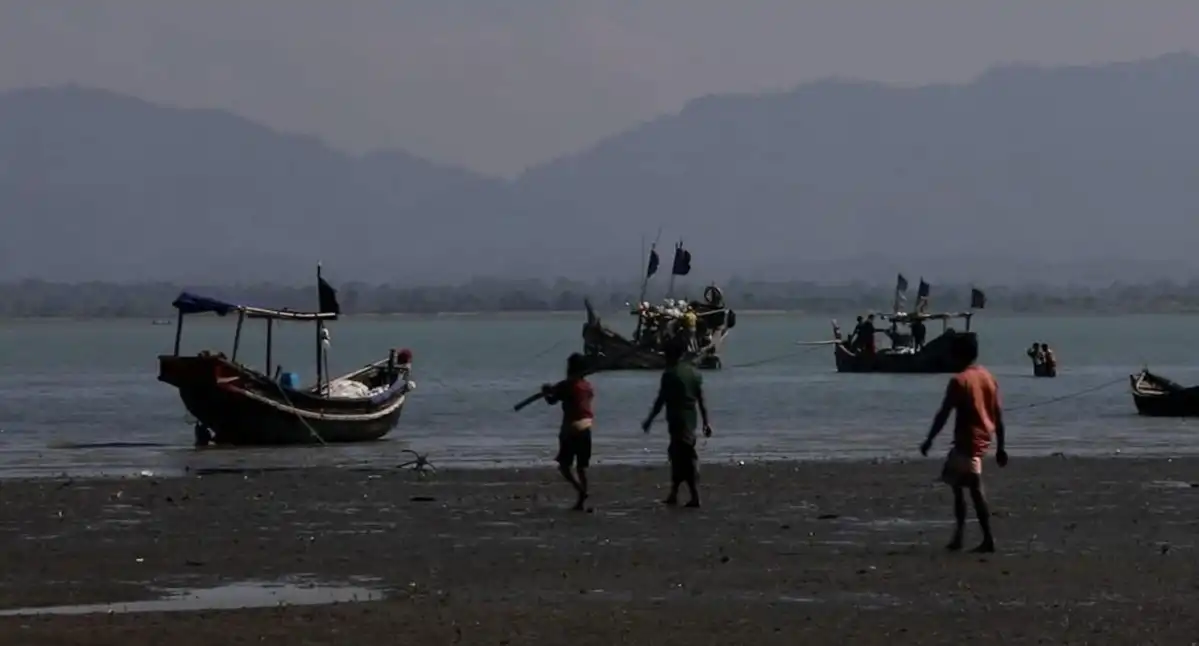
    The crossing has long become one of the most dangerous parts of the Rohingya escape route. Refugees board overcrowded boats knowing the journey offers no guarantees. Women hold children tightly. Elderly passengers struggle to balance on unstable wooden platforms. Everyone understands that one moment of panic can become fatal.

    Still, people continue to cross because remaining behind often feels even more dangerous.

    Chaos on the River

    For Husain’s family, the journey turned tragic within moments.

    As their boat crossed the river, violence suddenly erupted nearby. Gunfire broke through the night, sending panic across the crowded vessel. People screamed, pushed, and tried desperately to protect themselves.

    In the confusion, many jumped into the water.

    The river, already dangerous under normal conditions, became a place of terror. Some refugees tried to swim. Others disappeared immediately beneath the current.

    Among them was Husain’s elderly mother.

    Caught in the panic and unable to survive the strong water currents, she drowned during the chaos. Later, her body was recovered from the river.

    The loss remains difficult for Husain to describe. Even now, the memory returns not in complete scenes but in fragments: shouting voices, darkness, water, and the helpless realization that not everyone would survive.

    For many Rohingya families who fled during periods of intensified violence, similar tragedies unfolded along the same routes. The river became both a pathway to safety and a site of irreversible loss.

    Small Moments of Humanity Amid Disaster

    While panic spread across the boat, another crisis unfolded inside Husain’s own family. His youngest son, only around two years old, became separated in the confusion.

    For a brief moment, the family feared they had lost him as well.

    Passengers on the boat, themselves struggling to survive, worked together to rescue the child. Through desperate effort, they managed to pull him to safety.

    The moment remains deeply emotional for Husain, not only because his son survived, but because it revealed something that still existed even inside catastrophe: humanity between strangers.

    Across many refugee journeys, such moments continue to appear alongside tragedy. People share food they barely have. Strangers carry injured children. Survivors pull others from the water even while fearing for their own lives.

    In conditions shaped by violence and displacement, survival often depends on these fragile acts of collective care.

    Arrival in Bangladesh

    After the incident, the Bangladesh Navy arrived and helped rescue survivors and recover bodies from the river. Exhausted families eventually reached Bangladesh carrying grief, trauma, and whatever belongings remained with them.

    For newly arrived refugees, the first days after crossing are often marked by physical and emotional collapse. Many arrive hungry, injured, or in shock.

    Husain remembers the kindness shown by local people after their arrival. Volunteers and residents provided food, drinking water, clothes, and emotional support to families who had lost almost everything during the journey.

    The assistance did not erase the trauma, but it created a sense of immediate relief for people who had spent days moving through fear.

    Soon afterward, families were transferred into refugee camps where they began rebuilding life from nothing.

    Beginning Again Inside the Camps

    Life inside the camps offered safety from active conflict, but it introduced a different kind of hardship. Families built shelters using bamboo and plastic sheets, trying to create some form of stability in unfamiliar surroundings.

    For educated Rohingya refugees like Husain, survival quickly became tied to adaptation. Unable to return to his former life, he began teaching children inside the camp to earn a small income and support his family.

    Education, even under limited conditions, became one of the few remaining sources of hope.

    Children gathered in learning centers with scarce materials but continued trying to study. Parents encouraged them despite uncertainty about what future such education could eventually lead toward.

    For many Rohingya families, maintaining learning became a way of resisting complete collapse.

    Trauma That Continued After Escape

    Safety did not end suffering.

    Husain’s youngest sister, who witnessed the chaos on the river and the death of their mother, struggled deeply after arriving in Bangladesh. The shock and trauma affected both her physical and mental health.

    Many refugees arriving from conflict zones carry similar invisible wounds. The violence they experienced does not disappear after crossing a border. It continues through nightmares, fear, illness, and emotional exhaustion.

    Despite receiving treatment and medical care, her condition continued to worsen. Eventually, she passed away in the hospital.

    For Husain’s family, it became another devastating loss layered onto the others they had already endured.

    This pattern repeats across many refugee experiences. Reaching safety often marks the end of one form of danger, but not the end of grief.

    Living Between Loss and Hope

    Today, newly arrived Rohingya refugees continue living inside camps across Bangladesh under difficult conditions. Families face overcrowding, limited opportunities, and constant uncertainty about the future.

    Yet despite these realities, many continue trying to rebuild their lives piece by piece.

    Humanitarian organizations provide food, medicine, education support, and other forms of assistance that remain essential for survival. Community members support one another through shared hardship. Parents continue raising children under conditions they never imagined for themselves.

    Husain’s story is only one among thousands.

    Across villages and townships in Rakhine State, countless Rohingya families experienced similar journeys marked by violence, displacement, dangerous crossings, and personal loss. Some lost parents. Others lost children, spouses, or siblings. Many arrived carrying memories too painful to speak about fully.

    What connects these stories is not only suffering, but endurance.

    Even after war, forced displacement, and repeated tragedy, families continue waking each morning and trying again to build some form of life.

    The river took away much from Husain’s family. But like many Rohingya refugees now living in Bangladesh, he continues moving forward with what remains: memory, responsibility, and the hope that survival itself may one day lead to something more stable than fear.

    Rohang Thar is a writer and community advocate from Buthidaung Township, Arakan State, Myanmar. His work focuses on raising awareness of social issues and amplifying underrepresented voices through impactful storytelling. He is committed to promoting human rights, informing audiences, and contributing to meaningful social change.


    Source link

  • Two Rohingya Men Shot Dead in Separate Attacks Across Cox’s Bazar Camps – Rohingya Khobor

    Two Rohingya Men Shot Dead in Separate Attacks Across Cox’s Bazar Camps – Rohingya Khobor


    by Hafizur Rahman

    Ukhiya, Cox’s Bazar, Bangladesh | May 6, 2026

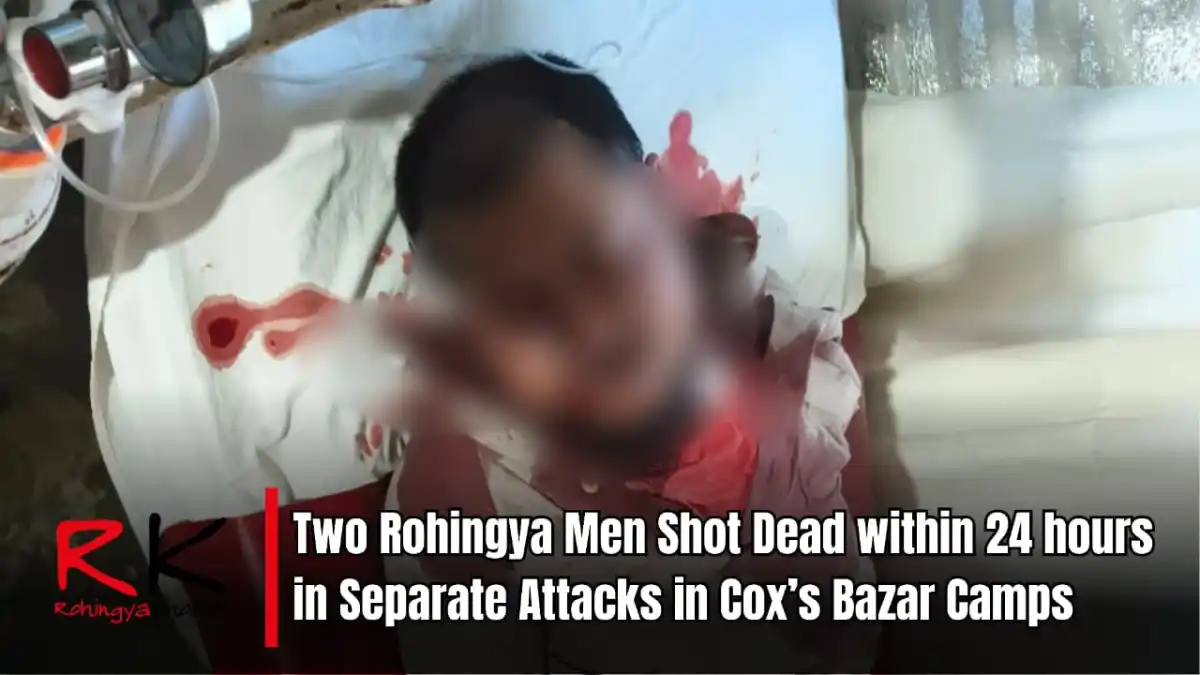
    Two Rohingya men were shot dead in separate attacks in refugee camps in Ukhiya within less than 24 hours, raising renewed concerns over security and armed violence inside the camps.

    In the first incident, Kefayet Ullah Halim, a Rohingya community figure affiliated with the Arakan Rohingya Organization (ARO), was shot dead on Tuesday evening near the Torjar Bridge area between Camp 7 and Camp 8 at around 6:30 PM.

    Police said armed attackers opened fire on Halim while he was traveling on a motorbike with two others. The two injured men were identified as Mohammad Ullah and Nur Mohammad.

    Local residents rescued the victims and took them to Kutupalong MSF Hospital, where doctors declared Halim dead on arrival. The injured men remain under treatment.

    In a separate incident on Wednesday afternoon, another Rohingya man, identified as Kamal, also known as Rus Kamal, was shot dead near Friendship Hospital in Camp 8E at approximately 2:25 PM.

    Witnesses said the attackers suddenly opened fire and fled the area immediately after the shooting. Kamal was reportedly shot in the head.

    Local sources identified him as the younger brother of Nabi Husson, who is known in the camp as an ARA-affiliated figure and serves as a Sub Majhi in Block B-41 of Camp 8 East. Rohingya Khobor could not independently verify organizational affiliations linked to the incident.

    No group has officially claimed responsibility for either attack.

    The Armed Police Battalion said operations are ongoing to identify those involved in the first shooting. No official statement had been released regarding the second killing as of Wednesday evening.

    The back-to-back killings have intensified fear among camp residents, where repeated incidents involving shootings, targeted attacks, and armed group activity continue to raise concerns over safety and stability.


    Source link

  • Bangladesh Calls for Increased Global Aid as Rohingya Funding Declines – Rohingya Khobor

    Bangladesh Calls for Increased Global Aid as Rohingya Funding Declines – Rohingya Khobor


    by Hafizur Rahman

    Dhaka, Bangladesh | May 5, 2026

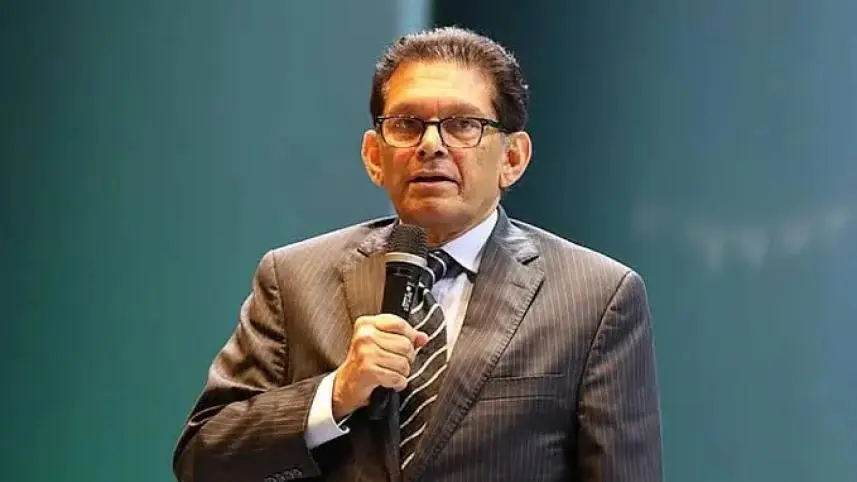
    Bangladesh’s Home Minister Salahuddin Ahmed has called for increased international support for Rohingya refugees, warning that declining global funding is placing additional strain on humanitarian operations.

    He made the remarks during a meeting in Dhaka with Ivo Freijsen of the United Nations High Commissioner for Refugees.

    According to the minister, reduced international assistance is making it increasingly difficult to sustain services for Rohingya refugees living in camps in Cox’s Bazar. He said Bangladesh has continued to host a large refugee population on humanitarian grounds but faces growing pressure due to resource constraints.

    He also stated that funding from the United States has recently been reduced by about 50 percent, though no further details were provided.

    Discussions during the meeting focused on funding shortages, conditions in the camps, and the issue of repatriation to Myanmar.

    The UNHCR representative noted that refugees continue to face significant challenges, including overcrowded living conditions and limited access to essential services.

    In response, the minister said expanding camp infrastructure remains difficult due to land and resource limitations. He reiterated that the long-term solution lies in the safe, voluntary, and dignified return of Rohingya refugees to Myanmar.

    He also warned that the Rohingya crisis risks being sidelined amid other global conflicts, including the war in Ukraine and ongoing tensions in the Middle East.

    The UNHCR official invited the minister to attend an upcoming Joint Response Plan event scheduled for May 20, where future funding and response strategies are expected to be discussed.


    Source link

  • Arakan Army Meeting in Buthidaung Raises Concerns Over Recruitment Pressure on Rohingya Families – Rohingya Khobor

    Arakan Army Meeting in Buthidaung Raises Concerns Over Recruitment Pressure on Rohingya Families – Rohingya Khobor


    by Hafizur Rahman

    Buthidaung, Rakhine State | May 4, 2026

    Residents in Buthidaung Township reported that the Arakan Army held a meeting in Poug Taw Pyin village, under Nga Yan Chaung village tract in the Taung Bazar area, where villagers were instructed to support its ongoing conflict with the Myanmar Junta.

    According to multiple local sources, Arakan Army members told families during the meeting to send daughters for military-related training. The claim could not be independently verified, but residents described it as a direct instruction delivered in front of the community.

    “They gathered people in the village and told us clearly that every family must support them,” one Rohingya resident told Rohingya Khobor. “We are very worried because they are asking for our daughters.”

    Residents also said villagers were instructed to dig bunkers to protect themselves from possible airstrikes and attacks as fighting continues in the area.

    “We are afraid of both sides,” another villager said. “If we don’t follow their orders, we may face problems, but if we agree, our families will suffer.”

    Local sources described growing fear among Rohingya communities, who remain caught between armed actors as tensions escalate in Buthidaung.

    Reports of forced support measures, including labor demands and recruitment pressure, have been increasingly raised in conflict-affected areas, highlighting the expanding control of armed groups over civilian life.


    Source link

  • Arakan Army Meeting in Buthidaung Raises Concerns Over Recruitment Pressure on Rohingya Families – Rohingya Khobor

    Arakan Army Meeting in Buthidaung Raises Concerns Over Recruitment Pressure on Rohingya Families – Rohingya Khobor


    by Hafizur Rahman

    Buthidaung, Rakhine State | May 4, 2026

    Residents in Buthidaung Township reported that the Arakan Army held a meeting in Poug Taw Pyin village, under Nga Yan Chaung village tract in the Taung Bazar area, where villagers were instructed to support its ongoing conflict with the Myanmar Junta.

    According to multiple local sources, Arakan Army members told families during the meeting to send daughters for military-related training. The claim could not be independently verified, but residents described it as a direct instruction delivered in front of the community.

    “They gathered people in the village and told us clearly that every family must support them,” one Rohingya resident told Rohingya Khobor. “We are very worried because they are asking for our daughters.”

    Residents also said villagers were instructed to dig bunkers to protect themselves from possible airstrikes and attacks as fighting continues in the area.

    “We are afraid of both sides,” another villager said. “If we don’t follow their orders, we may face problems, but if we agree, our families will suffer.”

    Local sources described growing fear among Rohingya communities, who remain caught between armed actors as tensions escalate in Buthidaung.

    Reports of forced support measures, including labor demands and recruitment pressure, have been increasingly raised in conflict-affected areas, highlighting the expanding control of armed groups over civilian life.


    Source link

  • Rohingya Man Beaten to Death in Teknaf Camp After Armed Group Clash – Rohingya Khobor

    Rohingya Man Beaten to Death in Teknaf Camp After Armed Group Clash – Rohingya Khobor


    by Hafizur Rahman

    Teknaf, Cox’s Bazar, Bangladesh | May 3, 2026

    A Rohingya man was beaten to death on May 2 in Leda Camp, also known as Camp 26, in Teknaf following a reported clash between armed groups in the area, according to police and local sources.

    The incident took place around 7:00 PM. The victim, Nur Hasan, 32, was a resident of Block C-2 in the camp.

    Police said the victim had previously been accused in several criminal cases, including murder and robbery. However, local sources said he was attacked after being caught by a group of people while moving through a nearby hilly area shortly after clashes between armed Rohingya groups earlier in the day.

    He was initially taken to a health facility inside the camp and later transferred to Teknaf Upazila Health Complex, where he was declared dead at around 9:30 PM.

    Authorities said the body has been sent for post-mortem examination and that legal action is underway. Police also reported increased patrols in the area following the incident.

    Killings following armed group activity and informal enforcement have been repeatedly reported in Rohingya camps, raising concerns over security, fragmented authority, and the limited protection available to residents.


    Source link

  • Two Local Men and Five Displaced Rohingya Arrested in Buthidaung – Rohingya Khobor

    Two Local Men and Five Displaced Rohingya Arrested in Buthidaung – Rohingya Khobor


    by Hafizur Rahman

    Buthidaung, Rakhine State | May 2, 2026

    Two local villagers and five displaced Rohingya men were arrested by the Arakan Army on April 30 in Buthidaung Township, according to local sources.

    In the morning, two young men from Kyauk Hla Pyin village, also known as Auk Limma Phara, were taken during an operation by Arakan Army members. They were identified as Mahammed Hares, 17, son of U Mohammed Mia, and Jani Alam, 20, son of U Nur Hakim.

    Later in the afternoon, five Rohingya men from Doni Chaung village were also detained. The men had been living in Let Wei Det Pyin Shay village after being displaced by ongoing conflict in the area. All five were reportedly taken to a detention site operated by the Arakan Army.

    Witnesses said the men were taken from the village in front of residents, but no reason for the arrests was provided. Their current whereabouts remain unknown.

    Arrests without explanation have been repeatedly reported in parts of Buthidaung, contributing to growing fear among Rohingya communities already affected by displacement and movement restrictions.


    Source link

  • Over 11.89 Lakh Rohingyas Living in Bangladesh, Government Tells Parliament – Rohingya Khobor

    Over 11.89 Lakh Rohingyas Living in Bangladesh, Government Tells Parliament – Rohingya Khobor


    by Hafizur Rahman

    May 1, 2026 — The government of Bangladesh has said that around 11.89 lakh Rohingya people are currently living in the country, according to information shared in Parliament on April 28.

    Foreign Minister Dr Khalilur Rahman said that, based on a UNHCR report dated April 13, 2026, a total of 11,89,213 Rohingyas who fled from Myanmar are staying in Bangladesh.

    He said the government is seeking a peaceful resolution to the Rohingya crisis and is working with the international community to ensure their safe return to Myanmar.

    The minister also noted that international legal efforts are ongoing to seek justice for Rohingya people. Cases related to crimes against them are being pursued at the International Court of Justice and the International Criminal Court, with Bangladesh providing support through information and cooperation.

    He said the government views the safe, voluntary, and dignified return of Rohingyas to Myanmar as the only long term solution to the crisis.


    Source link