Author: news-admin

  • Government Forms New National Committee to Oversee Rohingya Affairs – Rohingya Khobor

    Government Forms New National Committee to Oversee Rohingya Affairs – Rohingya Khobor


    by Hafizur Rahman

    Dhaka, April 22, 2026 — The government of Bangladesh has established a new national committee to oversee and coordinate matters related to Rohingya refugees living in camps across the country.

    An official notice from the Cabinet Division stated that the 16 member committee will be chaired by the Home Minister. The decision was announced through a gazette signed by Additional Secretary Md Humayun Kabir on Tuesday.

    The committee brings together key officials, including the Foreign Minister, State Ministers for Women and Children Affairs and Disaster Management, the Cabinet Secretary, senior secretaries, the Inspector General of Police, and heads of intelligence and security agencies. Representatives from Chattogram Division and Cox’s Bazar are also included.

    Its mandate is to improve coordination of all Rohingya related activities. This includes maintaining law and order in the camps, strengthening management systems, and supporting repatriation efforts.

    The committee will also review and monitor the work of existing bodies, such as the National Taskforce on repatriation and the committee responsible for relocation to Bhasan Char, and provide recommendations to improve safety, security, and living conditions.

    Officials said the formation of this body is intended to strengthen coordination among government agencies and ensure more effective management of Rohingya related issues in Bangladesh.


    Source link

  • 168 Rohingya Caught Between Borders and Armed Groups Amid Ongoing Tensions – Rohingya Khobor

    168 Rohingya Caught Between Borders and Armed Groups Amid Ongoing Tensions – Rohingya Khobor


    by Hafizur Rahman

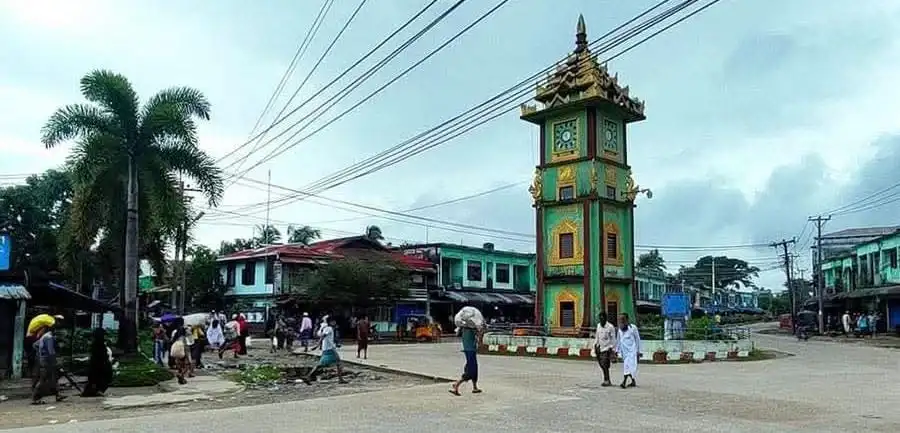
    Maungdaw, April 21, 2026 — A group of 168 Rohingya people remain in an uncertain situation after being moved repeatedly across border areas and between armed actors over the past several days.

    According to local sources, the group consists of men, women, children, and elderly people from 19 families originally from Buthidaung in northern Rakhine State. They were first taken to Maungdaw on April 18.

    Sources said some members of the group were forced to pay large amounts of money and faced pressure and restrictions during their movement.

    On April 19, the families were reportedly pushed toward the Bangladesh border during the night. Bangladesh Border Guard detained all 168 people after they reached or crossed the border area. Some reports said they were later sent back to a coastal area near southern Maungdaw.

    On April 20, the group was again found by Arakan Army members and later that night handed over to a local administrator in Maungdaw.

    Local sources also reported that money was collected again from the group by a local network operating in the area.

    On April 21, the group was taken to an intelligence office and later moved by vehicles to an unknown location.

    Their current situation remains unclear. Residents said Rohingya families attempting to cross the border continue to face serious risks, uncertainty, and fear.


    Source link

  • Rohingya Youth Demand Justice After Death of Mohammed Ullah in Andaman Sea – Rohingya Khobor

    Rohingya Youth Demand Justice After Death of Mohammed Ullah in Andaman Sea – Rohingya Khobor


    Camp Correspondent

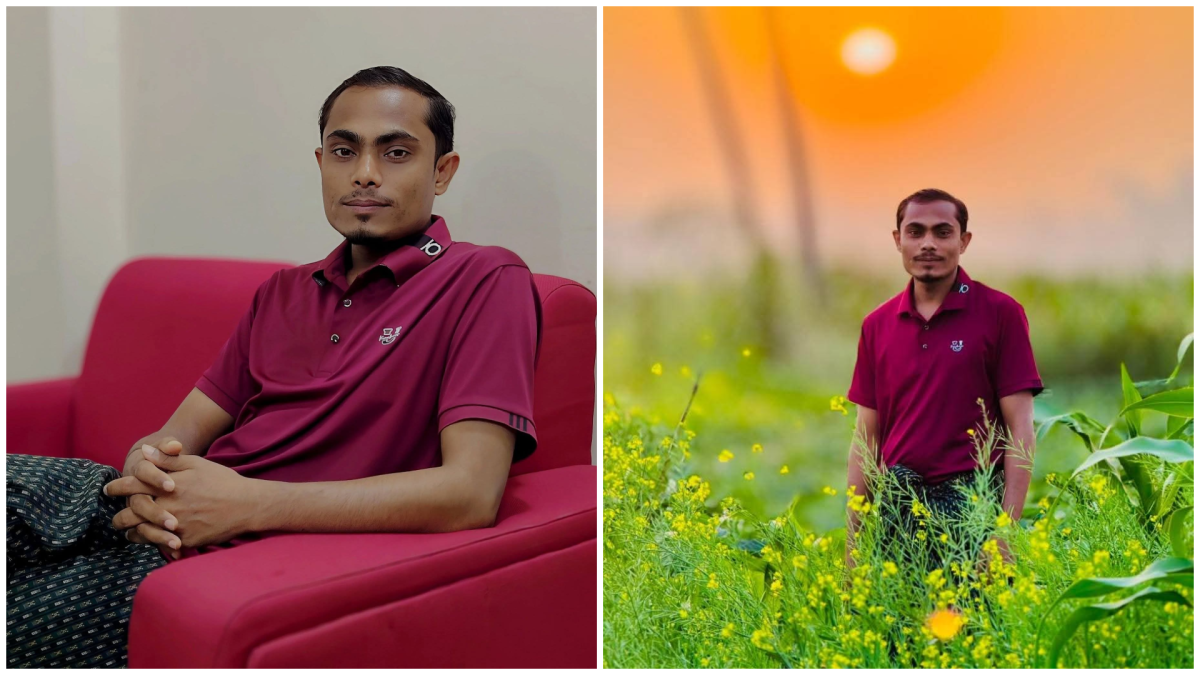
    The news did not arrive all at once. It moved through the camps in fragments, carried by phone calls, messages, and short video clips that left little room for doubt. Mohammed Ullah, a young Rohingya known among his peers for his education and quiet determination, had died in the Andaman Sea after attempting to leave the camps by boat.

    By the time the details began to settle, grief had already turned into something sharper. Among Rohingya youth in the camps and across the diaspora, his death was no longer seen as an isolated loss. It became a moment that demanded explanation.

    A Death That Sparked Questions

    Mohammed Ullah’s journey, like many others from the camps, followed a path shaped by uncertainty and risk. But according to multiple community sources and circulating testimonies, his decision to leave was not simply a search for opportunity. It was, they claim, driven by fear.

    Soon after news of his death spread, video clips and witness accounts began circulating widely on social media platforms, particularly Facebook. These accounts alleged that he had been subjected to sustained intimidation by individuals claiming affiliation with the Rohingya Committee for Peace and Repatriation, a camp-based body involved in mediating internal community matters.

    The claims, still unverified, quickly gained traction. For many young Rohingya, they resonated with existing concerns about safety and power dynamics within the camps.

    Allegations of Threats and Intimidation

    A report published by the Dhaka Tribune added further detail to the unfolding narrative. According to the report, Mohammed Ullah approached the protection unit of UNHCR in Cox’s Bazar in November 2025. His request was not related to resettlement or material assistance. He was seeking protection.

    The reported trigger for the threats appears to have been a social media post he described as humorous, referencing an individual named Dil Mohammed. Following this, he was allegedly contacted and summoned by individuals who identified themselves as linked not only to the Rohingya Committee for Peace and Repatriation but also to networks associated with armed Rohingya groups.

    According to the account, his phone was taken, and the post was removed under pressure. Yet the intimidation, by these claims, did not end there.

    These allegations remain subject to independent verification. However, the convergence of testimonies, media reporting, and digital circulation has intensified concern, particularly among younger members of the community.

    A Wider Climate of Fear

    For many Rohingya youth, the issue extends beyond a single case. Mohammed Ullah’s death is being interpreted within a broader context where fear, coercion, and limited protection shape everyday life in the camps.

    Educated and outspoken individuals, in particular, are often seen as more exposed. Without robust protection mechanisms, they may find themselves navigating informal power structures that operate with limited oversight.

    This perception has been reinforced by the speed at which the story spread and the consistency of the concerns being raised. Even without formal confirmation of every detail, the reaction reflects an underlying lack of trust in existing systems of protection.

    A Digital Campaign Takes Shape

    In response, Rohingya youth across the camps and in diaspora communities have mobilized a coordinated online campaign. Through hashtags, statements, and shared testimonies, they are calling for a transparent investigation into the circumstances surrounding Mohammed Ullah’s death.

    The demands are specific. They include identifying any individuals responsible for wrongdoing, ensuring accountability, and strengthening mechanisms that can prevent similar incidents in the future.

    Social media has become the primary space for this mobilization. It allows voices from within the camps to connect with those outside, creating a network of attention that extends beyond local boundaries.

    At the center of these efforts is a shared message that continues to circulate widely: that this is not only about one life, but about the conditions that made his death possible.

    Grief Turning into Collective Concern

    Among those participating in the campaign, a phrase has begun to appear repeatedly. “Today it is Mohammed Ullah; tomorrow it could be others.” The statement captures a fear that is both immediate and collective.

    For many, his death represents a warning. It raises questions about how many others may be facing similar pressures, and how many might take the same path if conditions remain unchanged.

    This sense of vulnerability is not abstract. It is grounded in daily realities where protection systems are perceived as limited, and where individuals may feel that seeking help does not always guarantee safety.

    Calls for Protection and Accountability

    Advocates and community members are now directing their attention toward those responsible for governance and support within the camps. They are urging humanitarian agencies, relevant authorities, and community leadership structures to take the issue of protection more seriously.

    The emphasis is clear. No individual should feel compelled to undertake a life-threatening journey in order to escape threats or insecurity. Ensuring safety within the camps must be treated as a priority, not an afterthought.

    This includes strengthening access to protection services, addressing internal dynamics that may expose individuals to harm, and ensuring that complaints and requests for assistance are handled with urgency and transparency.

    At the same time, there is a growing recognition that accountability will be central to restoring trust. Without visible action, the concerns raised by Mohammed Ullah’s case are likely to persist.

    A Moment That Will Shape Trust

    The response to this case carries implications that extend beyond the immediate moment. For Rohingya youth, it is a test of whether their concerns will be acknowledged and addressed, or whether they will be left unresolved.

    Trust, once weakened, is difficult to rebuild. If the circumstances surrounding Mohammed Ullah’s death are not examined openly and thoroughly, the perception that individuals are left unprotected may deepen.

    Conversely, a transparent and credible response could signal that protection mechanisms can function effectively, even within the constraints of displacement.

    A Voice That Continues After Death

    Mohammed Ullah’s life ended at sea, far from the camps where his story began. Yet his name now circulates widely, carried by those who believe his death should not pass without consequence.

    For the Rohingya youth raising their voices, the demand is direct. Justice for Mohammed Ullah is not only about understanding what happened to him. It is about ensuring that others do not face the same path.

    In the camps and across the diaspora, that demand continues to grow. It reflects both grief and determination, shaped by the recognition that silence, in this moment, would allow the conditions behind his death to remain unchanged.


    Source link

  • From Insurgency to Governance: How the Arakan Army is Reordering Rohingya Life – Rohingya Khobor

    From Insurgency to Governance: How the Arakan Army is Reordering Rohingya Life – Rohingya Khobor


    Nadeem Ahmed

    In northern Rakhine, a Rohingya villager who steps outside after curfew risks arrest. A farmer who wishes to work his own land may need permission. A household that refuses to send a laborer can face detention, fines, or violence. These are no longer isolated incidents. They are recurring conditions of life in areas under the control of the Arakan Army.

    The pattern suggests a shift that is both political and structural. What appears at first as a series of abuses now reflects something more systematic: the consolidation of a governing order built on restriction, extraction, and control over movement.

    From Battlefield Actor to Territorial Authority

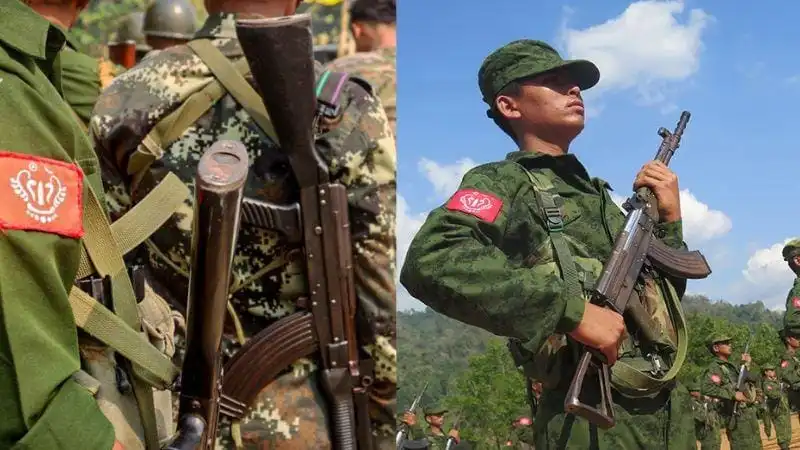
    The Arakan Army’s expansion across Rakhine in 2025 altered not only the balance of military power but also the organization of civilian life. As the group assumed de facto control over large parts of the region, it gained the capacity to regulate movement, impose rules, and enforce compliance. Reports from the Office of the United Nations High Commissioner for Human Rights in February 2026 describe a pattern of arbitrary arrest, detention, enforced disappearances, forced labour, extortion, and restrictions on work and movement imposed on Rohingya populations under this control.

    Human Rights Watch, drawing on interviews with Rohingya who fled Buthidaung between April and July 2025, documented the mechanics of this system. Travel permits cost money. Curfews are enforced. Being outside at the wrong time can lead to arrest. People reported that they could not farm, fish, or move freely without authorization. Some were compelled to work without pay after initially receiving reduced wages. These practices indicate a shift from episodic coercion to routinized regulation.

    This transformation matters because it reframes the nature of authority in Rakhine. The Arakan Army is no longer operating solely as an insurgent force confronting the Myanmar military. It is exercising forms of territorial governance that shape the daily existence of civilians.

    A System of Control, Not a Collection of Abuses

    The evidence across multiple sources converges on a consistent pattern. Fortify Rights documented a compulsory labor system operating across villages under Arakan Army control between November 2024 and October 2025. At least one person from each household was often required to perform labor, ranging from a single day to several months. Refusal could lead to detention, beatings, or fines. In one documented case, a Rohingya man was arrested after refusing sentry duty and then forced to build a road for ten days while being beaten.

    This is not incidental coercion. It is organized extraction. The requirement that each household provide labor establishes a predictable supply of workers. The use of detention and punishment ensures compliance. The involvement of village administrators, who were themselves pressured or beaten to meet quotas, shows that the system operates through both direct force and subordinated intermediaries.

    The regulation of movement reinforces this structure. Reports indicate that checkpoints have been established at village entrances and exits, and that Rohingya must obtain paid letters of recommendation to travel. Curfews restrict time as well as space. These measures do more than limit mobility. They create a controlled population whose movement, labor, and economic activity can be monitored and directed.

    Extortion and taxation extend the system further. The UK Home Office, drawing on evidence from Burmese Rohingya Organisation UK, recorded that taxation applied to nearly every form of property owned by Rohingya, including homes, shops, boats, fishing nets, and livestock. This level of coverage suggests an attempt to systematize revenue extraction rather than isolated acts of extortion.

    Taken together, these practices form a coherent governing apparatus. Arrest, labor, taxation, and mobility control are not separate phenomena. They are interlocking mechanisms that define how authority is exercised.

    Rohingya as an Extractable Population

    The structure that emerges from these practices is one in which Rohingya are governed less as rights-bearing residents and more as a population to be managed, disciplined, and utilized. The compulsory labor system documented by Fortify Rights illustrates how labor is extracted directly. The requirement to pay for movement permissions converts mobility into a source of revenue. The broad taxation of property extends extraction into everyday economic life.

    This configuration is reinforced by the absence of meaningful legal protections. Rohingya remain stateless and lack enforceable property rights. In such a context, checkpoints, detention, and confiscation can be implemented with limited constraint. The Office of the High Commissioner for Human Rights has also noted that the Arakan Army continues to deny recognition of Rohingya identity and uses derogatory terminology, further weakening any claim to equal treatment under its authority.

    Land confiscation adds a territorial dimension to this process. OHCHR reported in February 2026 that Rohingya land and property had been confiscated and that non-Rohingya villages were being rebuilt on that land. This is not only an issue of individual dispossession. It suggests a reordering of space that may alter the demographic and political landscape of Rakhine.

    In this framework, Rohingya are incorporated into a system where their labor, movement, and property are subject to continuous regulation and extraction. The governing logic is not one of inclusion but of control.

    War-Making and Governance Converge

    The practices described above are closely tied to the Arakan Army’s military and political objectives. Fortify Rights found that forced labor was used for both military and reconstruction purposes, including building fortifications, digging trenches, transporting supplies, and constructing roads. This indicates that extraction is not a byproduct of conflict. It is functional to both war-making and governance.

    The use of civilian labor for infrastructure projects also blurs the boundary between military and administrative activity. Roads, bridges, and drainage systems are not purely military assets. They are also elements of territorial administration. The same labor that supports military operations contributes to the consolidation of control over space.

    Detention-based labor further illustrates this convergence. The New Humanitarian reported that dozens of Rohingya, including women and children, were detained and forced to work for nearly three months in a camp-like setting near Maungdaw. The work included construction and maintenance tasks. The use of detention as a mechanism to secure labor underscores the integration of coercion into governance.

    This merging of war-making and governance is characteristic of actors that transition from insurgency to territorial authority. The capacity to extract resources, regulate populations, and control infrastructure becomes central to sustaining both military operations and political control.

    Parallel Domination and the Limits of Simplified Narratives

    The emergence of Arakan Army governance complicates prevailing narratives about the Rohingya crisis. For years, analysis has focused on persecution by the Myanmar military. That remains a central component of the crisis. However, the current evidence indicates that Rohingya are now subject to coercive authority from more than one actor.

    The Office of the High Commissioner for Human Rights has explicitly stated that both the military and the Arakan Army are responsible for systematic abuses against Rohingya. This creates a situation of parallel domination, where multiple authorities impose restrictions, extract resources, and exercise control without accountability.

    This complexity matters for policy and analysis. A binary framework that positions the conflict as a struggle between the junta and a resistance movement is no longer sufficient to explain conditions on the ground. The presence of coercive governance by a non-state actor alters the dynamics of power and the prospects for civilian protection.

    Crisis Group reporting, as reflected in the UK Home Office note, indicates that perceptions of the Arakan Army among Rohingya are not uniform across all areas. Some more stable regions have seen limited improvements, including the return of displaced people. However, these variations do not negate the broader pattern of coercion. They indicate that governance is uneven rather than absent.

    Implications for Repatriation and Humanitarian Policy

    The shift from insurgency to governance has direct implications for discussions about Rohingya return. Policy frameworks often assume that improvements in territorial control or a reduction in active conflict could create conditions for repatriation. However, the current evidence challenges this assumption.

    If return were to occur under conditions where movement is restricted, labor is extracted, and detention is arbitrary, it would not constitute a rights-based solution. It would represent a return into a system of controlled subordination. The requirement to pay for travel permissions, the presence of checkpoints, and the risk of forced labor all suggest that basic freedoms would remain constrained.

    Humanitarian conditions are also shaped by these governance practices. OHCHR has noted that both the military and the Arakan Army continue to block humanitarian aid, contributing to a severe crisis in northern and central Rakhine. Restrictions on movement further limit access to services and livelihoods. These factors combine to deepen vulnerability rather than alleviate it.

    The difficulty of independent verification in parts of Rakhine adds another layer of complexity. The UK Home Office note acknowledges that some incidents remain hard to confirm due to conflict and communication restrictions. However, the convergence of findings across multiple organizations strengthens the overall assessment of systemic abuse.

    A Consolidating System

    Recent field reporting reinforces the trajectory identified by international organizations. A Rohingya Khobor report from April 2026 described a requirement that each village in northern Maungdaw provide 50 laborers for three days of unpaid work on road construction and military-related tasks. This aligns closely with earlier findings of household-based labor quotas and suggests that the system is continuing and potentially expanding.

    Fortify Rights has already indicated that the labor system is becoming institutionalized. The use of quotas, the involvement of local administrators, and the reliance on detention and punishment all point toward consolidation rather than decline. The risk is that these practices will become normalized features of governance.

    At the same time, land confiscation and reconstruction on Rohingya property raise the possibility of more permanent changes to the territorial landscape. If such processes continue, they may entrench patterns of exclusion that are difficult to reverse.

    The combined effect of these trends is a narrowing of the space for civilian life. As multiple forms of control intensify, the capacity of Rohingya to sustain livelihoods, maintain property, and move freely is progressively reduced. This dynamic also contributes to continued displacement, as people seek to escape conditions of constrained and coercive existence.

    Conclusion

    The situation in Rakhine has entered a phase that is not adequately captured by the language of insurgency or isolated abuse. The available evidence points to the emergence of a governing system in which coercion is organized, routinized, and embedded in everyday life.

    This system operates through the regulation of movement, the extraction of labor and resources, and the use of detention and punishment to enforce compliance. It is sustained by the structural vulnerability of a stateless population and the absence of accountability mechanisms.

    Recognizing this shift is not a matter of rhetoric. It is necessary for accurate analysis and effective policy. Without acknowledging the consolidation of coercive governance, any assessment of the Rohingya crisis risks misrepresenting the conditions under which people are expected to live, return, or survive.

    The question is no longer only who controls territory in Rakhine. It is how that control is exercised, and what kind of order it produces for those who live under it.


    References

    Human Rights Watch, Myanmar: Arakan Army Oppresses Rohingya Muslims, 28 July 2025.
    Office of the United Nations High Commissioner for Human Rights (OHCHR), Assistant Secretary-General Brands Kehris on Myanmar, 27 February 2026.
    Fortify Rights, Myanmar: Arakan Army Subjecting Ethnic Minorities to Forced Labor, 22 October 2025.
    UK Home Office, Myanmar: Rohingya (including Rohingya in Bangladesh), January 2026.
    The New Humanitarian, “I lost all hope for my life”: Arakan Army accused of detaining Rohingya in forced labour camps, 27 August 2025.
    Rohingya Khobor, Rohingya Villagers Forced into Unpaid Labor in Maungdaw, 18 April 2026.


    Source link

  • Rohingya Villagers Forced into Unpaid Labor in Maungdaw – Rohingya Khobor

    Rohingya Villagers Forced into Unpaid Labor in Maungdaw – Rohingya Khobor


    by Hafizur Rahman

    Maungdaw Township, Rakhine State, Myanmar | April 18, 2026

    Rohingya villagers in northern Maungdaw are being compelled to perform unpaid labor for road construction, according to local sources, raising concerns over worsening humanitarian conditions.

    Sources said each village has been ordered to send around 50 people to work for three consecutive days. Those assigned must cover their own food and other expenses while carrying out the work.

    The labor reportedly includes breaking stones, loading materials onto trucks, and digging bunkers and trenches near military areas. Residents said the work is physically demanding and continues from early morning until evening.

    One villager told Rohingya Khobor, “We work from morning to evening without food or rest. If we stop, they shout at us. We are treated like we are not human.”

    Another resident said, “We have no money to buy food, but we are still forced to work. Many of us feel weak and hungry while doing heavy labor.”

    Community members said the situation is placing additional strain on already vulnerable households, as those who typically earn income are taken away for unpaid work.

    A resident said, “We are already struggling to eat two meals a day. This forced labor is making our lives even more difficult. Poor families are suffering the most.”

    Sources said the practice is ongoing, with different villages being called in rotation. Residents expressed concern that the situation will further deepen poverty and hardship in the area.


    Source link

  • Nearly 900 Rohingya Dead or Missing at Sea in 2025: UN – Rohingya Khobor

    Nearly 900 Rohingya Dead or Missing at Sea in 2025: UN – Rohingya Khobor


    by Hafizur Rahman

    April 17, 2026

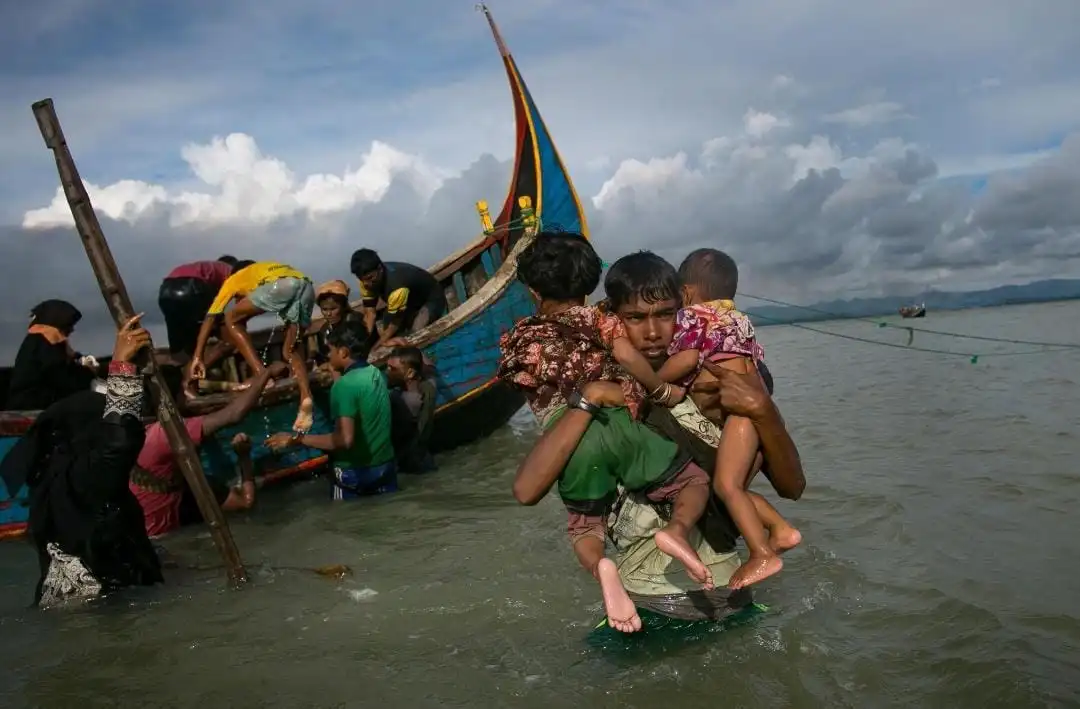
    Nearly 900 Rohingya refugees were reported dead or missing at sea in 2025, making it the deadliest year on record for Rohingya attempting maritime journeys, according to the United Nations refugee agency.

    The agency said more than 6,500 Rohingya attempted sea crossings last year, with around one in seven reported dead or missing. This represents the highest fatality rate among major sea migration routes globally.

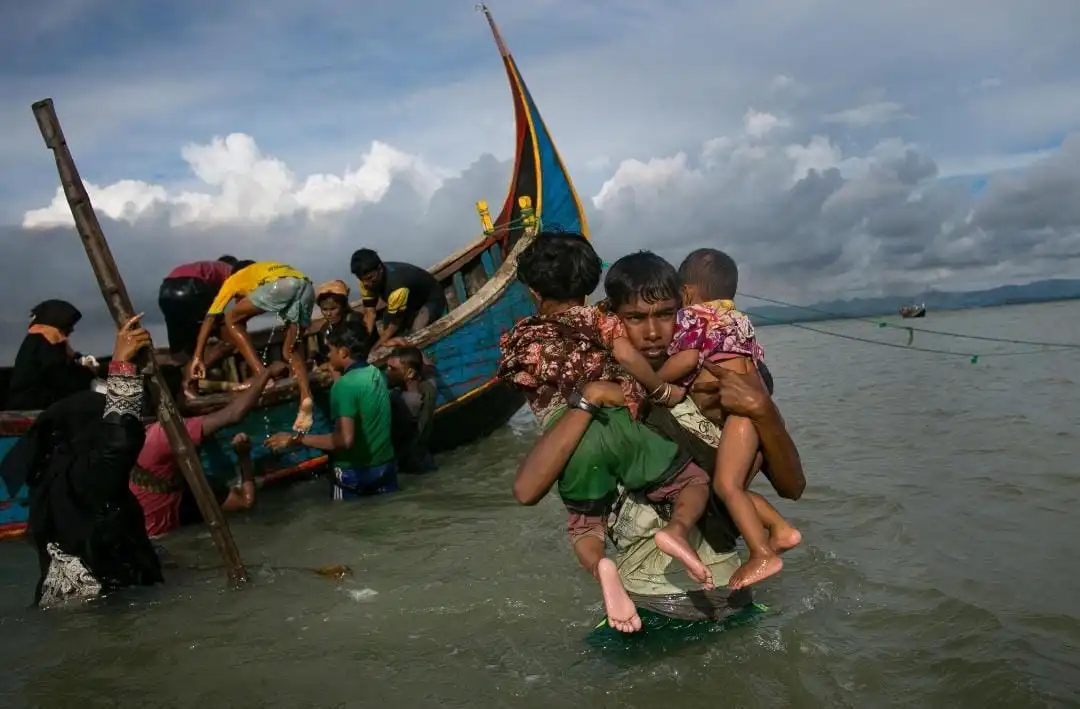
    Most departures were from refugee camps in Cox’s Bazar, Bangladesh, where many Rohingya continue to face limited access to education, livelihoods, and essential services. The journeys are often organized by trafficking networks, with refugees traveling in overcrowded and unsafe boats.

    A UN spokesperson said, “Last year was the deadliest on record for Rohingya at sea.”

    Another official said ongoing conflict in Myanmar, combined with statelessness and lack of protection, continues to drive people to undertake such journeys. “Ongoing conflict, lack of safety, and no citizenship rights leave many Rohingya with little hope,” the official said.

    Women and children accounted for more than half of those traveling by sea in recent years, according to the agency.

    The trend has continued into 2026, with more than 2,800 Rohingya reported to have attempted sea crossings between January and mid-April.

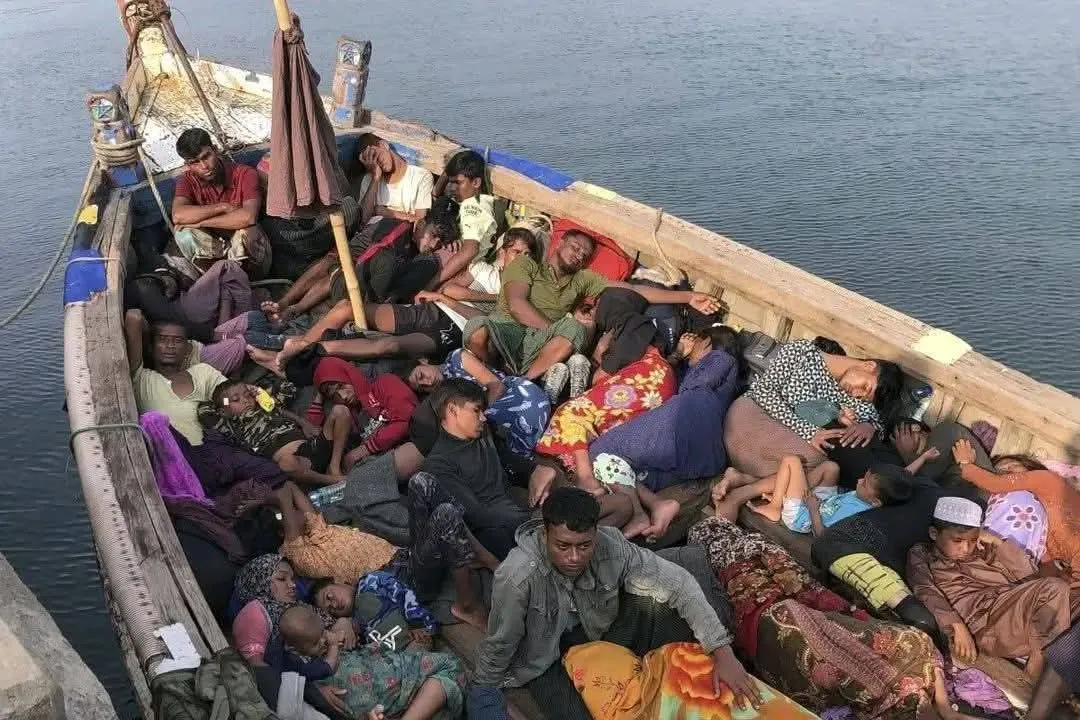
    Earlier in April, a boat carrying around 280 people sank in the Andaman Sea after departing from Teknaf and heading toward Malaysia. Only nine survivors were rescued, while around 250 people remain missing.

    A UN official said survivors of such incidents are receiving medical and psychological support.

    The United Nations has called on countries to strengthen efforts to combat human trafficking, expand safe migration pathways, and address the root causes of displacement to prevent further loss of life.


    Source link

  • Rohingya Refugees Risking Death at Sea: A Crisis Driven by Protection Gaps, Poverty, and Desperation – Rohingya Khobor

    Rohingya Refugees Risking Death at Sea: A Crisis Driven by Protection Gaps, Poverty, and Desperation – Rohingya Khobor


    by Ro Maung Shwe

    On the edge of the camps in Cox’s Bazar, departures rarely happen in daylight. Movement is quiet, often arranged through whispered conversations and fragile trust in promises that are never fully verified. For those who leave, the journey begins long before they reach the sea. It starts with a calculation shaped by fear, scarcity, and the sense that remaining where they are may offer no future at all.

    Across Bangladesh, thousands of Rohingya refugees continue to attempt dangerous sea crossings toward Southeast Asia, particularly Malaysia. Since 2017, more than 4,950 Rohingya have lost their lives at sea, according to consolidated estimates from international humanitarian and human rights organizations. These deaths are not isolated incidents. They form a pattern that reflects deeper structural conditions within the camps and the absence of durable solutions.

    A Crisis Rooted in Structural Constraints

    The camps in Cox’s Bazar now host nearly one million Rohingya refugees. Over time, the conditions within these settlements have become increasingly restrictive. Movement is tightly controlled, access to formal employment remains limited, and daily life is shaped by dependency on humanitarian assistance.

    Within this environment, choices narrow. Refugees are unable to move freely or pursue stable livelihoods, and opportunities for long-term stability remain uncertain. As a result, irregular migration is not perceived as an extraordinary decision. It becomes, for many, the only available path toward survival and dignity.

    The journeys toward Malaysia are therefore not spontaneous acts. They are the outcome of sustained pressure, where structural constraints leave little room for alternatives.

    Why Refugees Continue to Leave

    The reasons driving these journeys are interconnected, each reinforcing the other. For many refugees, concerns about safety within the camps have become increasingly prominent. Reports of violence, intimidation, and limited protection create a sense of insecurity that pushes some to consider leaving despite the risks.

    Economic hardship is equally decisive. Without legal permission to work and with strict movement restrictions, refugees are unable to generate consistent income. Malaysia is often seen as a place where informal employment may be possible, offering a chance to support family members through remittances.

    Family separation adds another layer of urgency. Many refugees attempt the journey in hopes of reuniting with relatives who have already migrated, particularly husbands or fathers who left earlier. The emotional and social weight of separation can become a powerful motivator, especially when communication remains limited and uncertain.

    For some women and girls, migration is shaped by economic pressures surrounding marriage. Rising costs and limited opportunities within the camps create conditions where leaving becomes tied to the possibility of securing a future elsewhere.

    Debt and exploitation further complicate these decisions. Financial distress, often linked to informal borrowing or other pressures, can push individuals toward traffickers who promise safe passage and employment. In reality, these networks operate through deception, placing refugees in situations of extreme vulnerability.

    The broader humanitarian context also plays a critical role. Declining international funding has led to reductions in food rations, education services, and basic support systems. As assistance decreases, the pressure to seek alternatives intensifies.

    Journeys That Often End in Uncertainty

    For those who survive the sea crossing, arrival does not guarantee safety. Malaysia, the primary destination for many Rohingya refugees, offers limited formal protection. Since 2017, an estimated 35,000 Rohingya who arrived in the country have been arrested and detained.

    Detention conditions are often harsh. Refugees are held without formal legal status, with limited access to communication and minimal contact with their families in Bangladesh. Prolonged confinement deepens trauma and uncertainty, leaving individuals in a state of legal and social limbo.

    This reality underscores a central contradiction. The journey is undertaken in search of security and opportunity, yet the outcome frequently reproduces vulnerability in a different form.

    A Regional Failure of Protection

    The continued loss of life at sea reflects gaps that extend beyond any single location. Despite repeated documentation and warnings from international organizations, coordinated regional responses remain limited.

    Safe migration pathways are largely absent. Mechanisms to prevent trafficking operate unevenly, and enforcement often fails to address the networks that facilitate these journeys. Within the camps, protection systems remain insufficient to counter the pressures that drive migration.

    This combination of factors creates a cycle. As long as conditions remain unchanged, departures continue. As departures continue, deaths at sea remain a persistent risk.

    Rethinking Responsibility and Response

    Addressing this crisis requires more than reactive measures. It demands a shift toward addressing the underlying conditions that make such journeys appear necessary.

    Ro Maung Shwe, a Rohingya youth advocate, writer, and political analyst, has argued that family separation is one of the most significant drivers behind these movements. He emphasizes that international agencies, particularly UNHCR, should take a more active role in facilitating formal family reunification processes.

    Such efforts would involve reconnecting spouses separated between Bangladesh and countries like Malaysia or Thailand, as well as reuniting children with parents living abroad. The argument is direct. If safe and legal pathways for reunification existed, many refugees would not feel compelled to risk their lives at sea.

    Beyond family reunification, the advocate points to the need for a stronger humanitarian response. Reduced funding has intensified hardship within the camps, making migration more likely. Increasing support for food, education, and basic services would address immediate vulnerabilities.

    At the same time, policy adjustments by the Government of Bangladesh remain critical. Current movement restrictions prevent refugees from accessing lawful work, reinforcing economic dependency. Allowing regulated income-generating activities could reduce desperation and provide alternatives to migration.

    He also proposes the development of small-scale industries within the camps, supported by UN agencies, authorities, and private sector partners. Initiatives such as garment production or agriculture-based projects could create employment, build skills, and circulate economic value within the refugee community itself.

    This approach focuses on sustainability. By strengthening livelihoods within the camps, the incentive to pursue dangerous migration would be reduced.

    An Ongoing Crisis with No Simple Exit

    The maritime movement of Rohingya refugees is often described as a migration issue. In reality, it is the visible outcome of deeper structural failures. Statelessness, restricted rights, and prolonged displacement combine to create conditions where risk becomes normalized.

    Each departure reflects a decision made within constraint. Each death at sea represents not only personal loss but a broader failure to provide viable alternatives.

    For those who remain in the camps, the choice continues to take shape in quiet conversations and uncertain plans. To stay is to endure restriction and hardship. To leave is to face the possibility of death.

    A Crisis That Demands Recognition

    The scale and persistence of these journeys make one point clear. Without sustained intervention, the pattern will continue.

    Addressing the crisis requires coordinated action across multiple levels. Protection within the camps must be strengthened. Livelihood opportunities must be expanded. Safe migration pathways must be established. Family reunification processes must be made accessible.

    Above all, the situation demands recognition of the rights and dignity of the Rohingya people. Without this foundation, responses will remain partial and insufficient.

    The sea routes from Cox’s Bazar are not simply lines on a map. They are pathways shaped by absence, by what has not been provided, by what remains unresolved. Until those absences are addressed, the journeys will continue, and the risks will remain.


    Source link

  • At Least 250 Missing After Boat Sinks in Andaman Sea – Rohingya Khobor

    At Least 250 Missing After Boat Sinks in Andaman Sea – Rohingya Khobor


    by Hafizur Rahman

    Andaman Sea | April 15, 2026

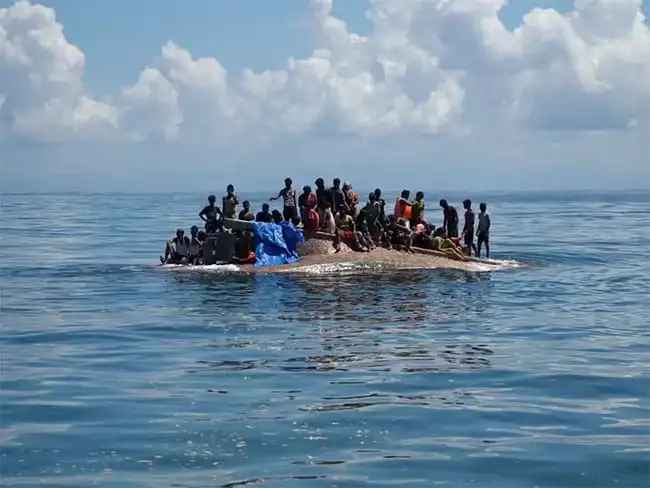
    At least 250 people, including Rohingya refugees and Bangladeshis, are missing after a boat sank in the Andaman Sea, according to a joint statement by the United Nations High Commissioner for Refugees and the International Organization for Migration.

    The statement said women and children were among those on board. The vessel reportedly departed from Teknaf in southern Bangladesh and was heading toward Malaysia.

    Preliminary information indicates the boat was overcrowded and encountered strong winds and rough sea conditions, which led to the sinking.

    As of now, rescue teams have not confirmed recovering any of the missing passengers.

    The UN agencies said the incident reflects the ongoing challenges faced by Rohingya refugees, many of whom remain unable to return safely to Myanmar due to continued violence in Rakhine State.

    They noted that conditions in the camps, including limited access to education, livelihoods, and essential services, continue to push some refugees to undertake dangerous sea journeys.

    The agencies also warned that human trafficking networks and false promises of work abroad are contributing to such movements.

    They called on the international community to increase support and funding for Rohingya refugees and host communities in Bangladesh.

    The statement added that without meaningful progress toward resolving the crisis in Myanmar, similar incidents are likely to continue.


    Source link

  • The Founding of the United Council of Rohang UCR

    The Founding of the United Council of Rohang UCR


    By Rohingya Vision News Staff | Cox’s Bazar Refugee Camp | October 23, 2025

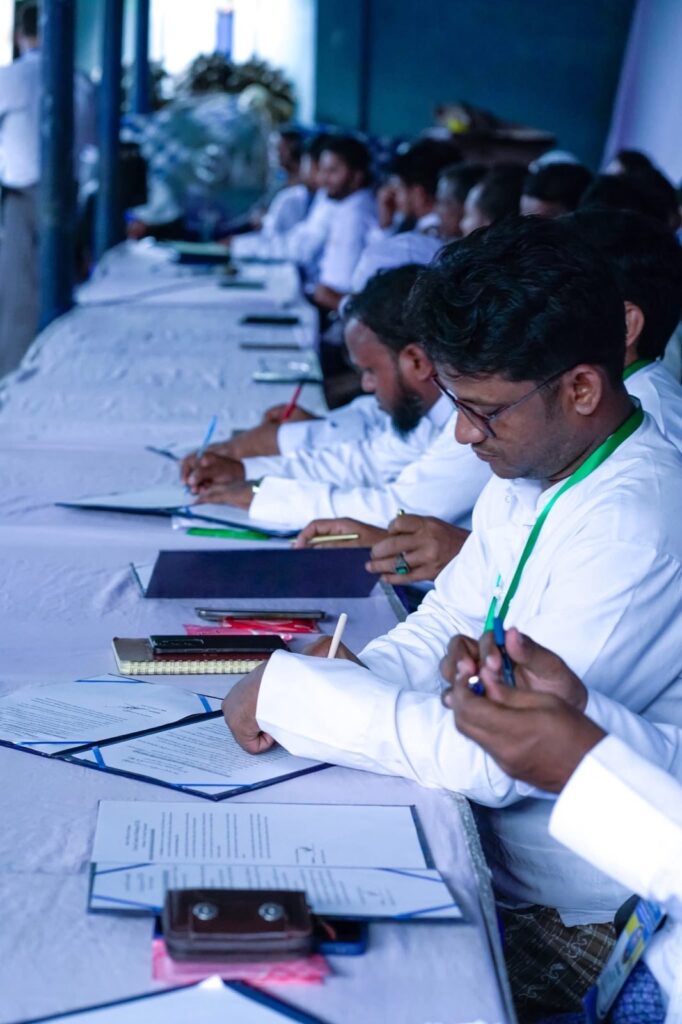
    A sense of renewed hope and unity swept through the refugee camps of Cox’s Bazar on October 23, 2025, as the United Council of Rohang (UCR) was officially inaugurated during a historic Oath-Taking and Inception Ceremony. The event marked a defining moment in the Rohingya people’s long struggle for collective representation and civic leadership. For the first time in the community’s history of displacement, a civil society organization has been democratically formed through election and selection processes covering all 33 refugee camps, representing fourteen categories of leadership.

    The establishment of the UCR is being hailed as a milestone in Rohingya self-organization and political maturity. Its very name carries layers of historical and symbolic significance. “Rohang,” the ancient name of Arakan, evokes the deep ancestral roots of the Rohingya people in their homeland, affirming a truth often denied in official narratives — that they are an indigenous community with a continuous historical presence in Arakan. The term “United” reflects the aspiration to bring together the dispersed Rohingya population across Myanmar, Bangladesh, and the global diaspora, while “Council” emphasizes a vision of consultative, accountable, and principled leadership rooted in service and unity.

    According to the newly formed Executive Committee, the UCR’s central mission is to serve as an inclusive and representative body for all Rohingya people. Its short-term objectives focus on strengthening community unity, promoting awareness about rights and education, empowering youth and women, building partnerships with international organizations, and preserving the truth of their persecution through research and documentation. The long-term vision is anchored in achieving a dignified and voluntary return to Arakan — a return grounded in justice, accountability, and sustainable reintegration, ensuring that future generations can live with safety, equality, and self-determination.

    To realize these aims, the UCR has established a comprehensive organizational framework comprising twenty-one thematic committees. These cover a wide range of fields including human rights and legal affairs, education and research, women and youth empowerment, social welfare and health, media and communications, finance and resource management, and security and crisis response. This institutional structure ensures that the Council’s work will be both coordinated and professional, allowing it to engage effectively with national and international actors on matters affecting the Rohingya community.

    The Oath-Taking Ceremony itself was a moment of profound symbolism. Representatives from across the camps pledged their commitment to transparency, fairness, and collective service. Many community elders and youth alike viewed the ceremony as a historic step toward restoring integrity and public trust in Rohingya leadership after years of internal divisions and external manipulation. “This Council is not the voice of a few individuals,” one elder remarked. “It is the reflection of a collective will that has survived exile and suffering.” The event concluded with an atmosphere of hope and renewal, as participants reaffirmed their shared determination to pursue justice and peace for their people.

    The United Council of Rohang has already expressed its readiness to collaborate with governments, international partners, and civil society organizations to advance justice, accountability, and human rights for the Rohingya people. It also seeks to strengthen cooperation with the Bangladeshi authorities and humanitarian actors to improve camp conditions, education, and community resilience. In a statement following the ceremony, the Council declared that its formation represents not only an organizational achievement but also a moral and historical responsibility — a duty to ensure that the Rohingya people themselves shape their own destiny. “We are not only refugees,” the statement read, “we are a nation in waiting. Our unity is our strength, and our homeland remains our destiny.”

    The founding of the United Council of Rohang thus marks more than the birth of a new organization; it signifies the reawakening of a people’s collective will. In an era when global attention to the Rohingya crisis has waned and internal fragmentation has deepened, the emergence of UCR stands as a reminder that the Rohingya community continues to define its own future. As dusk settled over the crowded camps of Cox’s Bazar that evening, many reflected on what the day represented — not merely a ceremony, but a declaration of faith in unity, resilience, and the long journey back to Rohang, their rightful homeland.

    Rohingya Vision News


    Source link

  • CRCS Monthly Situation Report September 2025

    CRCS Monthly Situation Report September 2025


    The Rohingya Crisis: Escalating Conflict, Humanitarian Breakdown, and Regional Protection Failures

    The Center for Rohingya Refugee Crisis Studies (CRCS) has released its Monthly Situation Report for September 2025, providing a comprehensive analysis of the evolving Rohingya crisis across Rakhine State (Myanmar), Bangladesh, and Southeast Asia. The report offers critical insights into the ongoing political escalation, humanitarian collapse, and regional protection challenges affecting Rohingya communities.

    During September 2025, armed conflict in northern and central Rakhine intensified significantly as hostilities between the Arakan Army (AA) and the Myanmar military (Tatmadaw) expanded into Rohingya-populated areas. Civilian casualties, forced displacement, and targeted abuses were reported alongside severe restrictions on humanitarian access and communication blackouts. The Rohingya population remains trapped between warring forces, facing systematic persecution and increasing vulnerability.

    In Bangladesh, conditions within the Cox’s Bazar refugee camps and Bhasan Char settlement further deteriorated amid deepening funding cuts, rising malnutrition, security incidents, and growing protection risks—particularly for women, youth, and undocumented new arrivals. The shrinking humanitarian space continues to undermine essential services and heightens the risk of social unrest and exploitation.

    At the regional level, CRCS observed a renewed surge in irregular maritime movements across the Bay of Bengal and the Andaman Sea, with multiple reports of pushbacks, detentions, and refoulement. The absence of a coordinated regional protection framework continues to expose Rohingya refugees to grave human rights violations.

    Drawing on field-based monitoring, survivor documentation, and policy analysis, the September 2025 report calls for urgent international engagement to prevent further atrocities, restore humanitarian access, and strengthen accountability mechanisms for crimes committed against the Rohingya people.

    📄 Access the Full Report: bit.ly/4oez2TU
    📩 Contact the CRCS Research Desk: bit.ly/m/CRCS

    Rohingya Vision News


    Source link